The role of a BIM Manager has changed faster than most people expected. A decade ago, many firms hired BIM specialists mainly for software handling and model coordination. In 2026, the job looks very different. Modern projects need someone who can manage people, guide digital workflows, support decision-making, and keep the team aligned from planning to handover. Today’s BIM Manager must be both a technical specialist and an effective project leader.
This shift has made the position more demanding but also more valuable. This guide breaks down the skillset you need to succeed. It will help you understand how the role works, what firms look for, and how you can grow into a strong leader in the digital construction space with the right BIM Consulting support.The BIM Manager’s Role in 2026
The modern BIM Manager oversees the entire digital workflow of a project. This includes model creation, collaboration, data flow, documentation, project standards, and coordination between different teams. The job is no longer limited to knowing software tools. Instead, it combines technical expertise with leadership, communication, and strategy.

A BIM Manager in 2026 is expected to:
- Define modeling standards and ensure consistency
- Guide teams through proper BIM practices
- Coordinate multi-disciplinary models
- Support project planning through digital insights
- Train and mentor staff
- Work closely with project managers, contractors, and consultants
- Maintain quality control throughout the project lifecycle
In short, you act as the backbone of the digital environment. While software skills matter, you must be able to lead people, handle challenges, and support decision-making in fast-moving projects.
Technical Skills Every BIM Manager Needs
To succeed as a BIM Manager in 2026, you need a strong technical foundation along with a clear understanding of how digital tools support real project needs. These skills help you guide teams, maintain quality, and keep the project moving without interruptions. While leadership and communication matter, your technical confidence is what allows you to solve problems and support others effectively through effective BIM coordination.
1. Expertise in Core BIM Software
The basics still play a major role in the job. A BIM Manager must be comfortable with the main modelling tools used across the industry. Most firms rely heavily on Revit for design and documentation, Navisworks for coordination, and AutoCAD for legacy drawing work.
Platforms like BIM 360 or ACC help teams collaborate in real time, while Solibri and ArchiCAD are used in many regional workflows. Automation tools such as Dynamo or Grasshopper allow you to extend functionality, and cloud platforms support smooth information sharing.
You don’t need to be the fastest modeller in the room, but you should understand each tool well enough to troubleshoot problems, guide junior staff, and review model output with accuracy.
2. Automation and Scripting
Automation has become a normal part of project delivery. Firms now expect BIM Managers to know how scripts can simplify repetitive tasks and prevent human error. Dynamo, Python, and Grasshopper help you automate actions like renaming elements, generating views, or adjusting model parameters.
Instead of listing every script or tool, think of automation as a way of saving time and improving reliability. Even a small script can save hours each week, and across a long project, these efficiencies become significant. Developing custom BIM content and specialized Revit families can further enhance automation and streamline project workflows.3. Model Coordination and Clash Detection
Coordination remains one of the most important responsibilities. A BIM Manager must merge models from different disciplines, check them for clashes, and identify issues long before construction starts. This requires clear workflows, consistent review routines, and the ability to interpret clashes in a practical way.
Running coordination meetings, explaining issues in simple terms, tracking progress, and following up with teams all fall under your role. Good coordination prevents unnecessary site work and reduces the chance of delays or change orders.
4. BIM Standards and Documentation
Standards keep the project organized. A BIM Manager must make sure the entire team follows the same modelling rules, naming conventions, folder structures, and documentation formats. This consistency makes collaboration easier and reduces confusion, especially on large projects.
You should feel confident preparing BIM Execution Plans, defining Level of Development requirements, setting up modeling guidelines, and creating review checklists. Strong documentation acts as a reference point for the team and improves the overall quality of the project.
5. Understanding of Interoperability
On most projects, different teams use different software. Your job is to ensure smooth data exchange between tools without losing accuracy or information. This includes understanding how IFC files behave, how DWG and RVT files interact, and how platforms like Navisworks or cloud services handle imports.
Good interoperability prevents data loss, keeps everyone aligned, and reduces the time spent converting or fixing files. This skill becomes even more important when working with consultants who use different systems.
Leadership and Soft Skills Needed in 2026
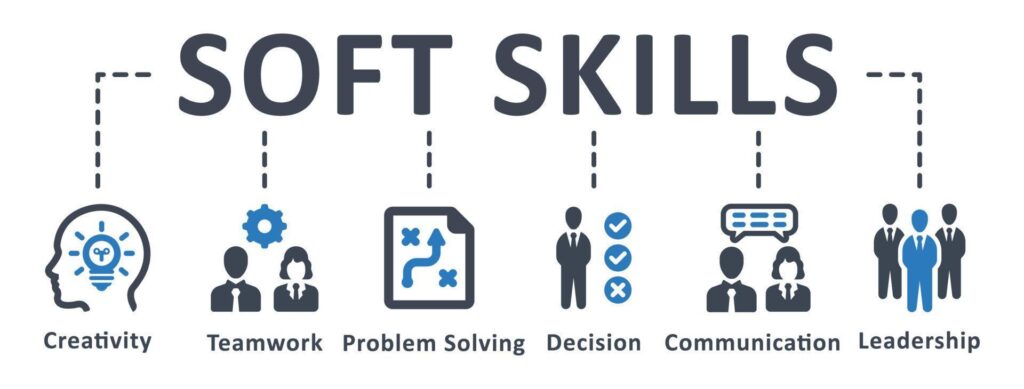
Technical skills alone are not enough. The industry has made it clear that BIM Managers must be good leaders. Projects run more smoothly when the BIM Manager can guide people, communicate well, and solve problems with patience.
1. Communication Skills
A BIM Manager interacts with many groups: architects, engineers, contractors, clients, and sometimes facility managers. You need to present information clearly, explain technical issues in simple language, and guide discussions during coordination meetings. Strong communication helps teams trust your direction.
2. Team Training and Mentoring
Many companies rely on the BIM Manager to help new team members learn tools and workflows. You should be able to:
- Train staff on BIM standards
- Demonstrate tools through simple examples
- Provide feedback on modelling
- Encourage best practices
This mentoring role is now a big part of the job.
3. Problem-Solving
Models often come with issues. A BIM Manager must stay calm and find practical solutions. You should know how to diagnose errors, find root causes, and support the team in fixing them. Good problem-solving reduces delays and keeps the project moving.
4. Time Management and Prioritization
You will handle multiple tasks at once. From reviewing models to answering team questions and managing documents, everything needs attention. The ability to prioritize is what separates efficient BIM Managers from those who are overwhelmed.
5. Leadership Mindset
You are not only responsible for technical output. You must guide the digital process from start to finish. This includes decision-making, planning, coordination, and supporting project goals. A leadership mindset helps you manage expectations and deliver better outcomes.
Project Management Skills That Matter
Project management skills are now closely linked to the BIM Manager role. Many firms expect BIM Managers to support planning, coordination, and decision-making from the early design stages until project handover. This means you need a solid understanding of how construction projects work and how digital workflows fit into the bigger picture.
- A strong BIM Manager understands the sequence of design phases and how each phase affects modelling requirements. You should know what information is expected during concept design, schematic design, detailed design, and documentation. This allows you to plan model tasks properly and guide the team without confusion.
- Managing digital workflows has also become a core responsibility. Cloud platforms, common data environments, folder structures, and version control systems must be organized and regularly monitored. When these digital spaces are clean and consistent, teams can work without delays or errors.
- You will also work closely with project managers. Together, you track progress, discuss upcoming deadlines, and resolve model-related issues. Your feedback helps project managers understand the team’s digital needs and plan better.
- Quality control is another part of the role that overlaps with project management. Routine model checks help catch errors early and keep documentation accurate. These reviews include checking naming conventions, geometry accuracy, LOD requirements, and sheet standards.
Although you may not handle budgeting or contracts, you support the project by ensuring digital tasks stay aligned with timelines, coordination expectations, and client requirements. Your work reduces risks, improves communication, and helps the project stay on track.
Data Management and Analytical Skills
As a BIM Manager, you deal with large amounts of project data every day, and your ability to manage and interpret this information has a direct impact on project accuracy and decision-making. You should know how to organize data coming from different team members, consultants, and software platforms. This includes keeping models, documents, schedules, and asset information in order so that nothing gets lost or duplicated.
Strong analytical skills also help you read the model beyond its geometry. You should be able to study quantities, detect trends, and understand what the data is telling you about project costs, clashes, timelines, and construction risks. This allows you to support project managers with reliable information and catch problems before they turn into delays on site.
Your job also involves setting standards for how information is named, stored, and shared. When data is structured well, the model becomes a powerful tool for planning, reporting, and facility management. Good data management reduces confusion and makes the BIM process more predictable for everyone involved.
Collaboration Skills for Modern Project Teams
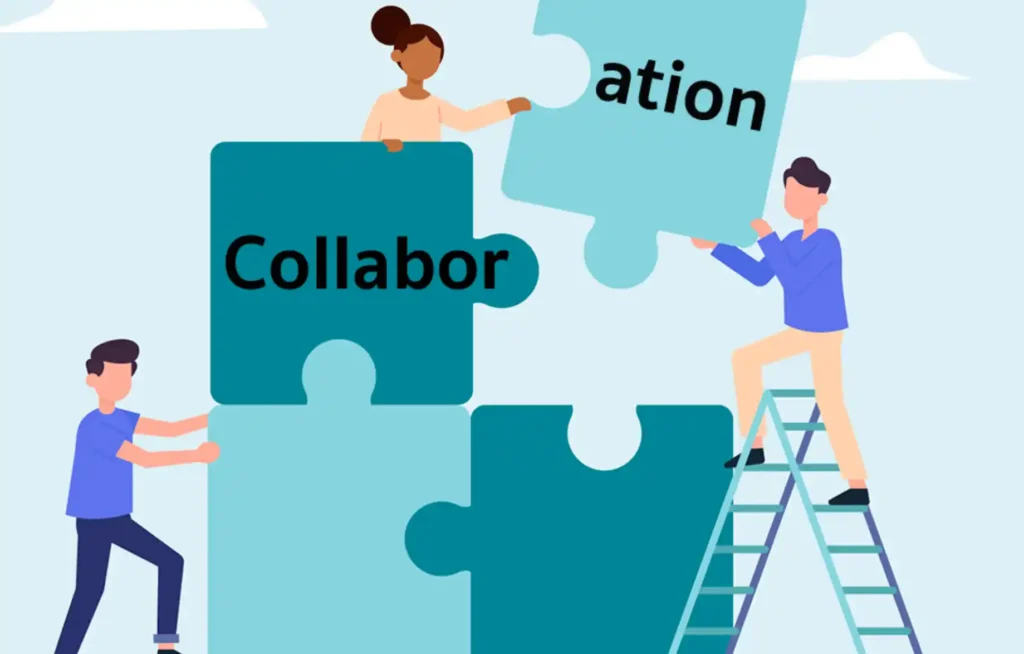
A BIM Manager works at the center of every project. You connect designers, engineers, contractors, and clients, which means your ability to collaborate directly affects how smoothly the project moves. Good collaboration skills help reduce misunderstandings, improve coordination, and keep everyone focused on shared goals.
1. Working with Multi-Discipline Teams
Modern projects rely on input from several teams, such as architecture, structure, MEP, interiors, and landscape. Each discipline has its own priorities, workflows, and modeling styles. As a BIM Manager, you need to understand how these teams work and how their models interact.
Your role includes guiding them on modeling requirements, ensuring their output follows standards, and making sure everyone stays aligned with the project’s goals. When you communicate clearly and anticipate coordination challenges early, the overall workflow becomes smoother, and issues are solved before they turn into major delays.
2. Handling Client Expectations
Clients today want more than drawings. They expect clear visuals, organized data, and regular updates that help them understand progress. A skilled BIM Manager knows how to present complex technical information in a simple and meaningful way.
Whether you are showing a clash report, a 3D walkthrough, or a data summary, your goal is to help the client feel confident about the project. When you explain BIM outputs in clear terms and address concerns quickly, you build trust and strengthen long-term relationships.
3. Conflict Resolution
With multiple teams and tight deadlines, disagreements are inevitable. A good BIM Manager stays calm, listens to all sides, and focuses on solutions instead of blame.
Your job is to identify the root cause of the issue, guide everyone toward a practical fix, and keep communication professional. When you handle conflicts with patience and clarity, teams feel respected and are more willing to cooperate. This keeps the project moving forward and protects overall productivity.
How to Grow Into a Successful BIM Manager
Becoming a strong BIM Manager in 2026 is a step-by-step journey. You don’t need to master everything at once, but you should consistently build skills that help you lead projects and support your team.
- Make sure you have a solid command of key BIM tools like Revit, Navisworks, and cloud platforms. You should understand how models are created, reviewed, and coordinated so you can guide your team confidently.
- Even simple scripts can save hours of manual work. Start with Dynamo or Grasshopper and learn how to automate repetitive tasks. Over time, explore Python to create smarter, custom tools.
- A BIM Manager leads discussions, solves misunderstandings, and keeps teams aligned. Practice giving clear instructions, guiding coordination meetings, and communicating model issues without confusion.
- Get comfortable reviewing models in detail. Check naming standards, geometry accuracy, documentation, and model structure. Consistent quality control protects the project from delays and costly errors.
- Learn how design, documentation, and construction phases connect. Understanding sequencing, site challenges, and facility management needs will help you make better BIM decisions.
- Follow the latest guidelines, ISO standards, LOD requirements, and documentation formats. Updated knowledge helps you create strong BEPs and maintain consistency across teams.
- Modern projects depend on real-time collaboration. Learn how to manage CDEs, permissions, model revisions, and cloud coordination so your teams can work efficiently from anywhere.
- Training keeps you ahead. Join webinars, certifications, and workshops to learn new tools, workflows, and industry trends. Continuous learning helps you stay competitive.
- Future projects rely on data-rich models. Explore how digital twins support operations, data tracking, and automation. Understanding this new direction prepares you for higher-level roles.
Conclusion
The financial ROI of a BIM-driven prefabrication workflow is clear. From reduced rework and material savings to enhanced labor efficiency, faster timelines, and reduced exposure to risk, this solution transforms construction operations both in the short and long term. Contractors adopting BIM-enabled prefabrication are not simply implementing a piece of technology—they are accessing a strategic advantage that directly boosts profitability and strengthens competitive positioning. As building setups and timelines become increasingly complex and stringent, the combination of BIM and prefabrication is no longer optional. It is the most reliable, scalable, and cost-effective approach for modern construction teams.
The 2026 BIM Manager skillset goes far beyond technical expertise. Today’s BIM Manager is a leader who manages people, coordinates digital workflows, solves problems, and contributes to critical decision-making. The role has expanded, and the industry now depends on professionals who can balance technical knowledge with strong communication and leadership abilities. By developing both sides of this skillset, BIM Managers can meet the growing demands of digital construction. The blend of software proficiency, teamwork, and strategic thinking is what defines a successful BIM Manager in today’s industry.
For teams looking to integrate BIM-driven prefabrication into their projects, STRAND Consulting provides expert guidance. You can reach them at (631) 805-3179 or visit their office at 490 Wheeler Rd, Suite 108, Hauppauge, NY 11788, USA. Here is the map link for convenience.