
The 3D BIM modeling services have gained a key role in efficient project delivery in modern construction, design, and building workflows. Regardless of whether you are an architect, consultant, contractor, or developer, it is imperative to understand how these services are priced and what is behind the cost as a measure of how to budget wisely.
In this blog, we will discuss what 3D BIM modeling is, why it is worth the money invested, the cost models along with the cost ranges generally used, the cost drivers of BIM, how to obtain the best price, and the red flags to raise in a quote.
What exactly are 3D BIM modeling services?
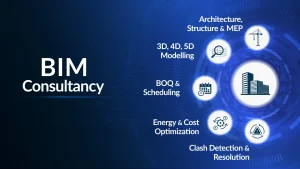
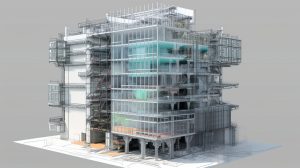
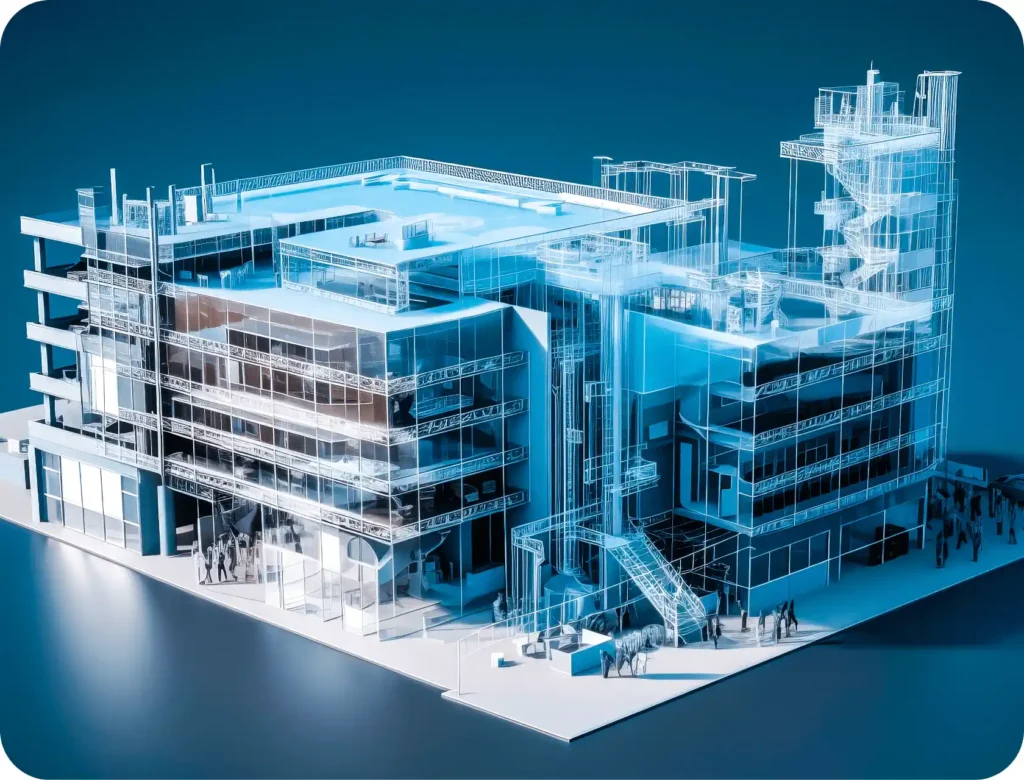
To start with, it is best to define what we are talking about: 3D BIM modeling services are the construction of a digital, three-dimensional building information model through BIM (Building Information Modeling) procedures. Not a simple 3D visualization, such a model contains embedded data (e.g., materials, quantities, system data), and can be coordinated, clash detected, scheduled, and lifecycle managed.
For example:
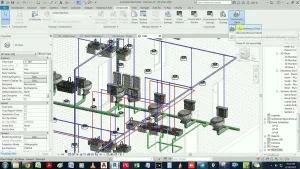
- Converting 2D drawings into a 3D BIM model in Autodesk Revit with integrated structural, architectural, and MEP systems.
- Producing a 3D model of an existing building (“as-built”) via laser scans or point-cloud data (sometimes called “scan to BIM”).
- Delivering a fully coordinated model ready for construction, shop-drawing generation, fabrication, or facilities management.
Given the increasing complexity of buildings and demand for more efficient workflows, these services are no longer a luxury—they’re often a necessity. One article says BIM enables clash detection, reduces rework, and supports precise cost estimation.

Why investing in 3D BIM modeling pays off
Before we dive into numbers, it’s worth briefly reminding ourselves of the value. Because understanding value helps justify the cost.
- Reduced rework & change orders: A well-developed BIM model identifies design conflicts before construction begins, reducing on-site rework and associated cost/time overruns.
- More accurate material take-offs and procurement: With BIM, you can derive quantities and connect material data, reducing waste and procurement errors.
- Better coordination across disciplines: Architectural, structural and MEP teams working in a unified model improves clarity.
- Improved construction schedule and logistics: Because you have better data and fewer surprises, you can deliver faster and smoother.
- Lifecycle management benefits: A detailed BIM model continues to add value in facility management and operations, not just during construction.
All this means that while the upfront cost for 3D BIM modeling may be higher than traditional 2D CAD drawings, the return on investment (ROI) through risk reduction and efficiency gains often makes it worthwhile.
Typical cost ranges & pricing models for 3D BIM modeling services
Pricing models
Service providers typically use one or more of the following approaches:
- Per square foot / per square metre pricing – especially when scope is known and area is measurable.
- Hourly rate model – when scope is less defined, or for consultancy, coordination, audits etc.
- Fixed lump-sum price – when the deliverables and scope are clearly defined.
- Hybrid models – a combination of fixed + variable components, e.g., base fee + per square foot for extras.
Typical cost ranges
While every project is different, here are ballpark figures (largely based on U.S. market data) to give you an idea:
- On a per square foot basis for standard 3D BIM modeling: around US $0.30 to US $0.90 per sq. ft depending on level of detail.
- On a total project basis:
- Small residential: US $5,000 to US $20,000 (basic model, lower complexity)
- Medium commercial: US $20,000 to US $100,000 or more (depending on systems, size, complexity)
- Large/buildings with high detail (lod 400/500, multiple disciplines, complex MEP): starting US $100,000+ and can significantly exceed that.
- For Scan to BIM (laser scanning + model generation): modeling fees can range from US $0.50 up to US $10+ per sq. ft, depending highly on detail and complexity.
What drives the cost of 3D BIM modeling services?
Knowing what makes cost go up (or down) is critical when reviewing quotes or scoping your project. Here are the major cost-drivers.
1. Level of Detail (LOD) / Level of Development
The more detailed the model needs to be, the more hours it will take—and the higher the cost.
- A model at LOD 200 may represent approximate geometry.
- LOD 300/350 includes accurate geometry, major systems.
- LOD 400/500 means fabrication-ready or as-built accurate data including full MEP details.
Moving from LOD 200 to LOD 300 or higher can increase cost significantly.
2. Scope of disciplines involved
Is this just architectural modeling, or does it include structural, MEP, facade, site works, as-built verification, clash detection, etc? More disciplines = more cost. For example dense MEP systems increase modelling hours.
3. Project size and complexity
Large buildings (many floors, large footprint), irregular geometry, special architectural features, or complex infrastructure systems add complexity and cost. Verticality and multi-floor structures require more work.
4. Quality and source data
If you’re modelling from scratch with complete drawings, cost may be lower. If you’re doing “as-built” modelling with point-cloud data, scanning, heavy interpretation — cost rises. Poor data means more modelling time.
5. Turnaround time / urgency
Short deadlines or accelerated schedules often mean higher cost (resource priority, overtime) because the service provider has to allocate more resources.
6. Deliverables required
What outputs do you need? Just the 3D model, or also 2D drawings, shop drawings, quantity take-offs, clash detection reports, coordination meetings, facility management data? More deliverables = higher cost.
7. Experience and location of the service provider
Providers with deep expertise in complex modeling, fabrication workflows, or international standards will often charge more. Also, cost will vary significantly by country/region due to labour, licensing, overheads.
8. Contract type & risk
If the provider takes on more risk (e.g., fixed price for a complex unknown scope) they may build in contingency, increasing cost.
How to approach budgeting & getting quotes
Here’s a practical workflow for you (or your firm) when preparing for 3D BIM modelling services budgeting:
Step 1: Define the scope in detail
- Identify the building/project: footprint, number of floors, area (sq. ft or sq. m).
- Which disciplines are to be included: architecture only? Plus structure? Plus MEP? Site? Exterior? Interior?
- What Level of Development (LOD) is required? Define clearly (e.g., LOD 300 for construction, LOD 400 for fabrication, etc.).
- What deliverables are expected: 3D model, 2D drawings, shop drawings, QTO, FM data?
- Required turnaround time / milestones.
- Source data: do you already have drawings, point-cloud scans, site visits?
Step 2: Choose pricing model & request quotes
- If you know area and scope, ask for per square foot pricing for easier comparison.
- If scope is fuzzy, an hourly rate or mixed model may make sense.
- If deliverables & scope are clearly defined and you want certainty, go for a fixed lump sum.
- When requesting quotes from multiple providers, ask them to break down assumptions (what LOD, what disciplines, what deliverables) so you can compare “apples to apples”.
Step 3: Estimate and sanity-check the cost
- Use the ballpark ranges to sanity-check: if someone quotes US $0.10 per sq. ft for a high-complexity, multi-disciplined building at LOD 400, that may be too low (and risk low quality).
- Evaluate what you’re getting for the cost: does the quote include coordination, modelling of MEP, deliverables, clash detection, etc?
- Consider ROI: for example if a BIM model prevents even one major change order or rework event, it may more than pay its cost.
Step 4: Contract & milestones
- Ensure the contract or scope document clearly defines: deliverables, formats, LOD, disciplines, responsibilities, submission milestones, review cycles, change-order process.
- Set milestone payments linked to deliverables rather than just “we’ll pay when done”.
- Clarify what happens if scope changes (e.g., additional discipline or higher LOD); how will additional cost be handled?
- Ask for a sample/modeling standard from the provider so you can review their quality.
Step 5: Monitor quality and deliverables
- Upon delivery, check the model for accuracy, completeness, clash detection results (if applicable), usability for downstream tasks (shop drawings, QTO, facility management).
- Make sure the model aligns with the scope (LOD, disciplines, deliverables) before final payment.
What to watch out for (and hidden costs)
While 3D BIM modelling services are increasingly standard, there are pitfalls and hidden cost areas you should be aware of:
- Under-specification of scope: If you don’t define LOD or deliverables clearly, you may end up with a simplified model that doesn’t meet your downstream needs (construction, fabrication, FM) and you’ll pay more later.
- Data quality issues: If the initial drawings are incomplete, or if laser scan/point-cloud data are missing or poor, the modelling effort may increase — ask providers for clarity on assumptions.
- Scope creep: Additional disciplines, higher LOD, more deliverables can creep in and drive cost up—make sure changes are handled via change orders.
- Poor model deliverables: A low-cost model that lacks coordination, accuracy or usable outputs may cost more in the long run through construction errors, rework, or downstream inefficiencies.
- Software/hardware and licensing costs: While you may outsource modelling, your downstream team must be able to use the model (e.g., Revit, Navisworks), so budget for software/hardware if needed.
- International outsourcing risks: If you outsource overseas for cost savings, ensure time-zones, communication, standards (LOD, file formats) and IP/data security are clearly addressed.
- Maintenance and future use: If the model is to be used for facilities management (FM) or lifecycle operations, ensure the deliverable is built to that standard — otherwise you may pay again later to upgrade it.
Final thoughts
While the cost of 3D BIM modeling services may at first seem significant compared to traditional 2D workflows, the benefits in terms of reduced errors, better coordination, faster schedules, and long-term value often far outweigh the upfront investment. By being clear about scope, deliverables, and value, you can make informed decisions and budget smartly.
When you decide to move ahead with a provider, remember: the cheapest quote isn’t always the best—quality, standards, deliverables, and fit with your downstream requirements matter. With the right partner and a well-scoped contract, you’ll find that 3D BIM modeling becomes a strategic asset, helping you deliver more efficiently, with fewer headaches and better outcomes.