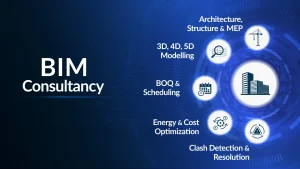
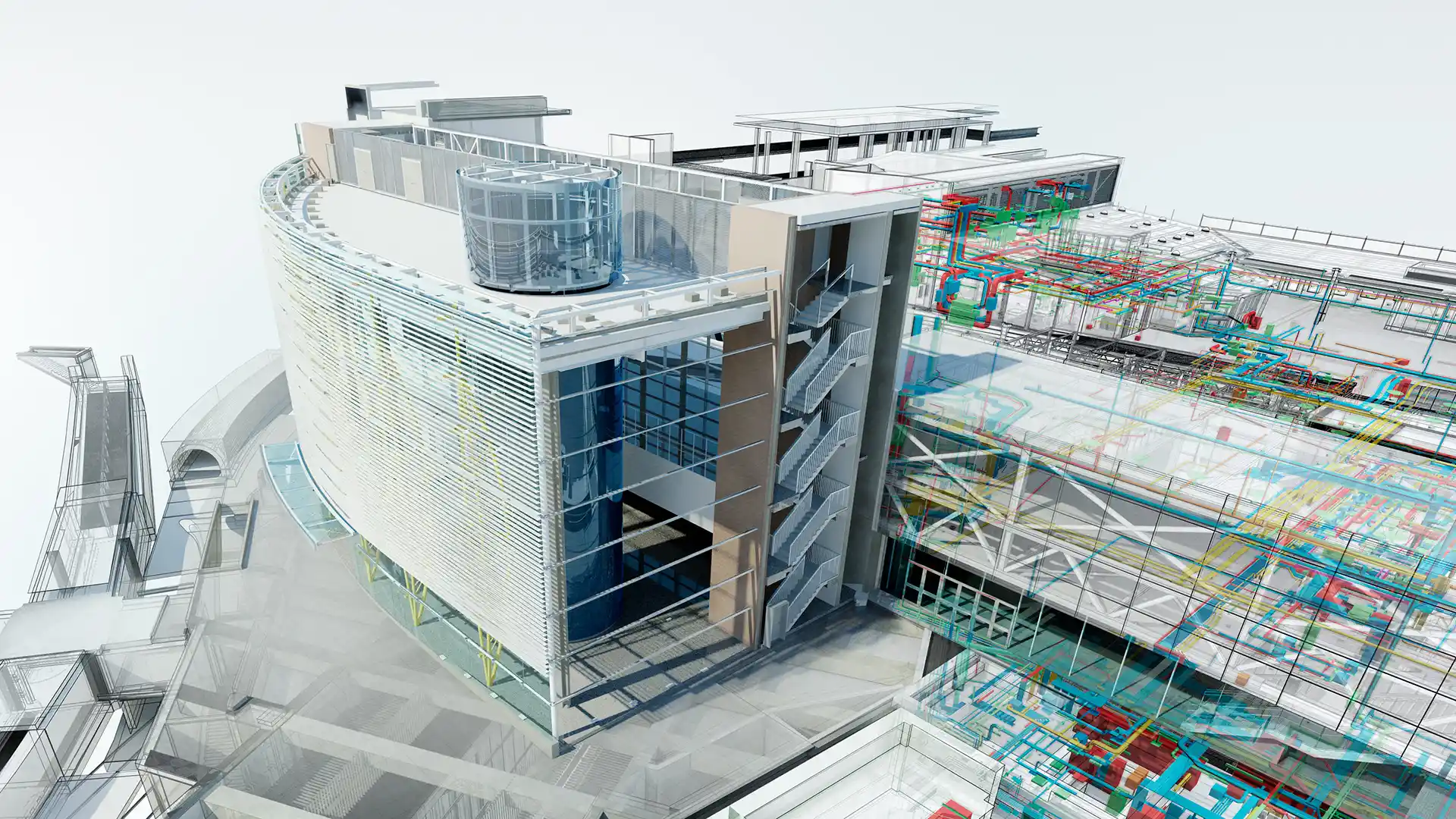
Building Information Modeling (BIM) has revolutionized the way architects design, document, and deliver projects. It used to be a linear process, from drawings to 2D drawings, but now it is an integrated, data-driven process where all design decisions are embedded in a coherent digital representation. BIM architectural modelling provides the linkage between the creative design phase and the accurate build-to-build construction documentation phase, and thus allows the architects to collapse the barrier between the initial sketch designs and the real construction drawings.
This comprehensive guide explores how BIM architectural modeling supports each stage of the architectural process, from conceptual design and schematic development to detailed construction documentation and project delivery.
BIM Architectural Modeling
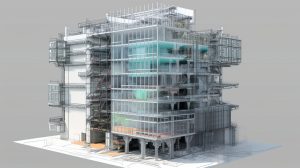
BIM architectural modeling is not just a 3D drawing. It is the generation of a smart digital model of a building that contains geometry, materials, performance information, and component relationships. Walls, floors, roofs, windows, and doors are parametric elements that have real-time interaction among themselves.
This model would be the one source of truth for the project. Any alteration made on one view is automatically transferred to the plans, sections, elevations, schedules, and details. Consequently, BIM is great in reducing the inconsistencies and errors that are prevalent in the drafting processes in traditional methods.
For architects, BIM provides a platform to explore design ideas while maintaining technical accuracy. It allows teams to test options, evaluate performance, and refine solutions long before construction begins.
Phase 1: Conceptual Design in BIM
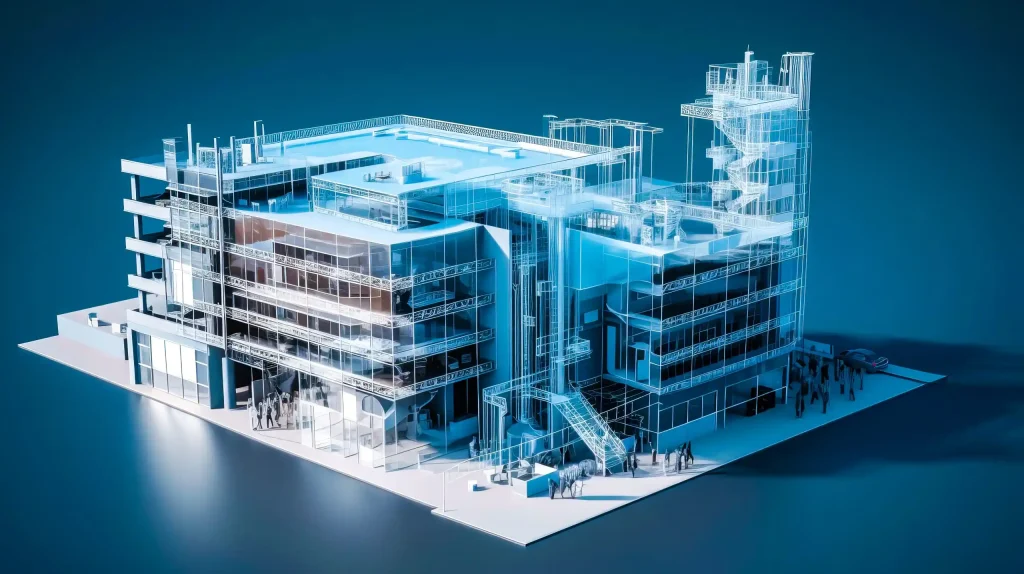
The creative stage is the part in which ideas are transformed into online accuracy. BIM software enables architects to quickly experiment with design concepts through massing studies, parametric architectures, and performance analysis at an early stage. The need to model concepts at an early stage in a data-rich environment helps teams to assess feasibility, the relationships between space, and the intentions of sustainability, as well as maintaining the design flexible to accommodate future development.
Massing and Exploration of Space
The conceptual phase is the phase that aims at the translation of ideas into space. BIM software can be used to generate fast massing models which illustrate building volumetric, site relationship and the general proportions. These prototyping models aid in quick iteration and visualization.
The access to daylight, the orientation of the sites, and simple circulation patterns can be studied in the BIM environment by architects. This initial analysis, early incorporation, enhances decision-making and lays a good basis for subsequent stages.
Client Communication and Design Visualization
BIM models make attractive 3D images and walkthroughs that assist the clients in comprehending the vision of the project. As opposed to interpretation by the abstract plans, the stakeholders perceive the design immersively.
The ability to see clearly minimizes confusion and accelerates the approval process so that the project proceeds as expected.
Phase 2: Schematic Design Development
In the course of schematic design, the original idea is transformed into an architectural structure. BIM modeling allows architects to develop proper floor plans, elevations, and building systems and coordinate disciplines. The stage is dedicated to the explanation of spatial structure and structural purpose so that preliminary design choices can correspond to the technical and regulatory demands.
Refining Building Systems
In the schematic design, the conceptual model is developed into a more concrete system of architecture. Walls are made thicker, structural grids are added, and building components start reflecting real materials and assemblies.
BIM enables architects to plan with structural and MEP consultants. Conflicts and spatial limitations, before they turn into significant problems, are unveiled through shared models.
Seeking Preliminary Documentation and Analysis
At this point, BIM creates preliminary plans, sections, and elevations. The emerging model can be used by architects to conduct energy analysis, area estimation, and code verification.
The combination of design and analysis ensures that the schematic decisions are consistent with the performance and regulatory demands.
Phase 3: Design Development and Detailed Modeling
BIM platforms enable real-time interaction of engineers and architects, eliminating clashes and enhancing constructability. This stage converts a concept model into a technically viable model that is to be documented.
Increasing Model Detail
The BIM model is very detailed in the development of the design. Building materials, dimensions, and structures are perfected through architecture to reflect the correct dimensions, building materials, and construction assembly. Parametric components and custom families are presented to reflect special design aspects.
This level of information facilitates planning with consultants and the readiness of the project to be documented to be constructed.
Interdisciplinary Coordination
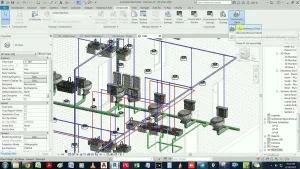
BIM has capabilities in multidisciplinary cooperation. Structural and MEP team models are connected so that architects can do clash detection and coordinate reviews.
The digital resolution of conflicts will help avoid expensive on-site rework and make sure that the whole set of systems will be integrated into the architectural environment.
Phase 4: Construction Documentation in BIM
Modern architectural projects rely on seamless collaboration between architects, engineers, and contractors. BIM modeling serves as a shared platform where all stakeholders contribute to a coordinated digital model. This collaborative workflow minimizes errors, accelerates problem-solving, and ensures that design intent is preserved throughout the project.
Automated Drawing Production
Construction documentation is one of BIM’s greatest strengths. Because all drawings are generated from the same model, updates propagate automatically across the document set.
Schedules and Quantities
BIM models produce accurate schedules for doors, windows, finishes, and materials. Quantity takeoffs support cost estimation and procurement planning.
Detailing and Annotation
Architects add annotations, dimensions, and construction details directly within the BIM environment. Linked views ensure that details remain coordinated with the overall model.
Quality Control and Accuracy in BIM Models
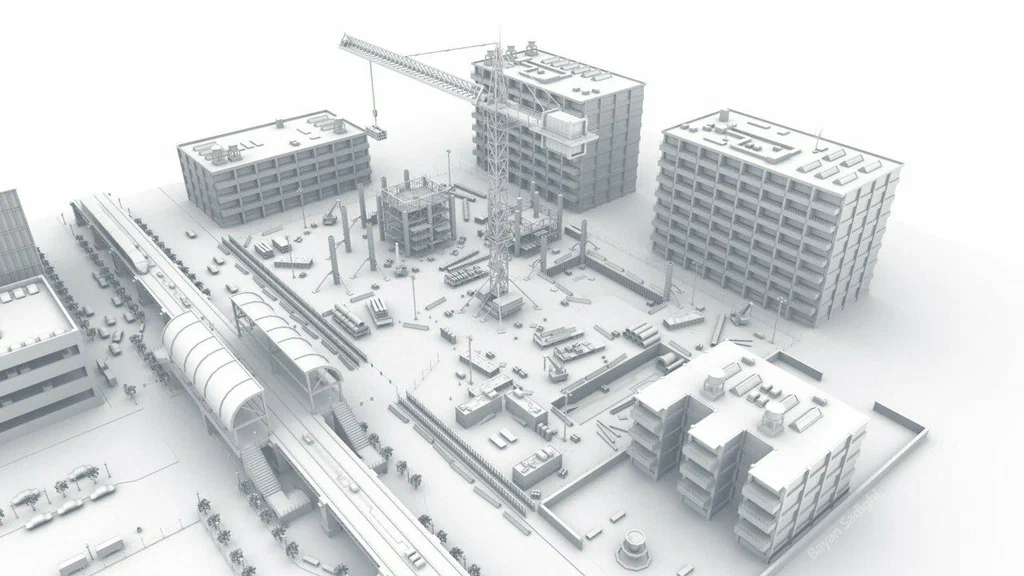
Quality control and accuracy are essential to producing dependable BIM models that can guide a project confidently from design to construction. Even minor modeling inconsistencies can lead to documentation errors, coordination conflicts, and costly on-site corrections. A strong quality control framework combines standardized workflows, shared templates, and disciplined modeling practices to ensure consistency across teams. When architects and engineers follow unified standards, BIM models become reliable sources of truth that improve communication and reduce risk.
Key practices that support BIM quality control include:
- Standardized templates and naming conventions to maintain consistency across the model
- Regular clash detection and coordination reviews to resolve conflicts early
- Routine model audits and validation checks to identify errors or incomplete data
- Clear version control and change tracking to manage revisions effectively
- Shared modeling standards and team training to ensure uniform best practices
Benefits of BIM from Concept to Construction Docs
The BIM approach offers measurable advantages across all project stages. From improved visualization and coordination to enhanced efficiency and cost control, BIM supports better outcomes for both designers and clients. Its ability to integrate data and streamline workflows makes it an essential tool for modern architectural practice.
BIM architectural modeling delivers measurable advantages across the project lifecycle:
- Improved design accuracy and consistency
- Faster documentation production
- Enhanced interdisciplinary coordination
- Reduced construction errors and rework
- Better client communication and visualization
- Data-rich models for facility management
These benefits translate into cost savings, shorter schedules, and higher-quality buildings.
Conclusion
BIM architectural modeling has redefined how architects move from early ideas to detailed construction documents. By integrating design, analysis, and documentation into a single coordinated environment, BIM reduces errors, enhances collaboration, and improves project outcomes.
From conceptual massing to final construction drawings, BIM provides a continuous workflow that supports creativity while maintaining technical precision.