
When choosing the appropriate project delivery method in construction and civil engineering, the choice is critical in determining efficiency, cost management, and the success of the whole project. Design-Bid-Build (DBB) and Design-Build (DB) are the two most commonly used methods. Both methods have their unique strengths and weaknesses, as well as their most effective applications. These differences can only be understood by owners, contractors, and engineers when a construction project is planned.
This blog provides a comparison of Design-Bid-Build to Design-Build, comparing their processes, advantages, disadvantages, and reasons that influence the decision between these two.
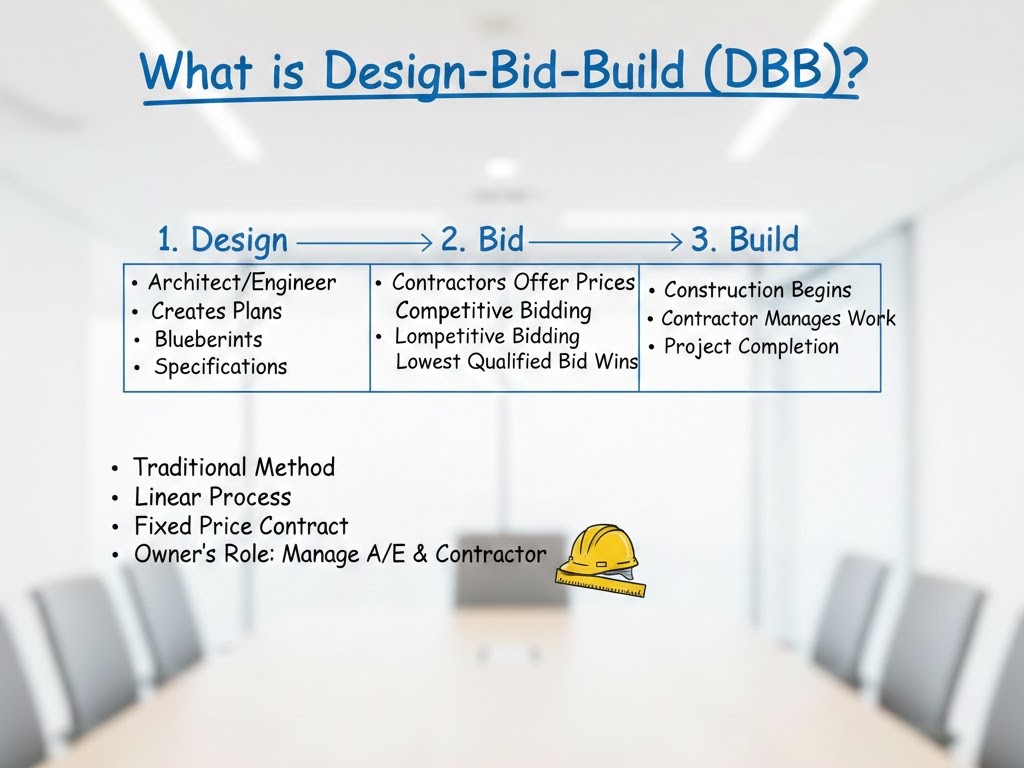
What is Design-Bid-Build (DBB)?
Design-Bid-Build, which is also commonly known as the traditional way of project, is a sequential approach that isolates design and construction. The typical phases include:
- Design Phase: Architects and engineers develop detailed project plans, drawings, and specifications during this stage, with a strong focus on accuracy, compliance, and feasibility. This process is strengthened through professional architectural design services and advanced 3D modeling and rendering, which help visualize concepts and validate design decisions early.
- Bidding Phase: The contractors analyze the design that has been completed and place competitive bids to implement the project.
- Construction Phase: The contractor of choice constructs the project based on the final plans.
The DBB approach will leave the owner with full design authority in place prior to construction. The separation of design and construction brings in accountability, where the design team is only concerned with plans and specifications, and the contractor is only concerned with the actual implementation.
Advantages of Design-Bid-Build
Design-Bid-Build remains a widely used project delivery method because of its clear structure and well-established process. By separating design and construction into distinct phases, this approach provides owners with full control over the design before construction begins.
Here are the benefits of design-bid-build:
1. Clear Roles and Responsibilities
Design and construction are not intertwined, which means the responsibilities of each party are clearly defined. The scopes of work for architects, engineers, and contractors remain distinct, helping minimize ambiguity during the implementation process. This clarity is reinforced through structured architectural BIM services and detailed construction documentation, ensuring all stakeholders understand their roles and deliverables.
2. Competitive Bidding
Contractors can offer more than one bid to the owners, and this normally serves to promote cost savings. The contractors compete on pricing, and the owners are in a position to choose the proposal that offers the best fiscal benefits.
3. Design Control
Before it starts, the owners are in full control of the design. Construction is done with minimal changes and, therefore, the original vision of the project is not lost.
4. Legal Clarity
Contracts are easy to work with as the roles are outlined. The design errors or construction defects in which the liability is an issue are easier to resolve because of the separation of design and construction.
Drawbacks of Design-Bid-Build
While Design-Bid-Build provides clarity and control, it can also introduce challenges related to time and coordination. The sequential nature of the process often results in longer project timelines, as construction cannot start until design is fully completed.
- Extended Project Life Cycle: Phased project life cycles can increase the duration of the project, as the project cannot commence until the design is complete.
- Risks of Increased Costs: Costs can be increased in case the project undergoes design alterations or in case bids are higher than the budget.
- Small Contractor Involvement: The contractors might not be included in the design process, and this may cause some practical or constructability problems during the construction process.
- Lack of Cohesion: A lack of cohesion between designers and builders can also lead to delays, rework, and conflict.
What is Design-Build (DB)?
Design-Build Design-build is a type of project delivery where the design and construction are undertaken by one team, the design-build team. This team can be made up of architects, engineers, and contractors under a single contract with the owner.
Key characteristics of DB include:
- Single Point of Responsibility: The design-build entity is accountable for both design quality and construction execution.
- Concurrent Work: Design and construction activities can overlap, accelerating the project timeline.
- Collaboration: The design and construction teams work together from project inception, allowing for constructability input early in the design process.

Advantages of Design-Build
The Design-Build approach has gained significant popularity in modern construction due to its streamlined structure and collaborative nature. By combining design and construction under a single contract, Design-Build encourages early coordination between architects, engineers, and contractors.
1. Faster Project Delivery
As design and construction may run simultaneously, it may take shorter projects to be completed as compared to DBB. The early engagement of the contractor enables the construction to commence at a time when the full design is yet to be completed.
2. Cost Savings and Budget Control
Early contractor access assists in determining cost-saving opportunities in the design stage. Potential one is dealt with early on, eliminating change orders and unforeseen costs.
3. Enhanced Collaboration
The integrated approach promotes communication between the architects, engineers, and contractors. Decision-making is done in groups, making them more constructive and less error-prone.
4. Simplified Contract Management
The design-build team has only one contract with the owners, which reduces the administrative costs and makes it easy to handle the liability.
5. Innovation and Value Engineering
Since design-build teams will be able to apply innovative solutions to the project and conduct value engineering in the design, the quality and efficiency of the project will be enhanced.
Drawbacks of Design-Build
Despite its efficiency, Design-Build is not always the best solution for every project. The integrated structure can limit an owner’s direct control over design decisions and may reduce transparency in pricing if not carefully managed.
While DB offers many advantages, it is not without limitations:
- Reduced Design Controllability: The owners might be less able to control the details of the design than DBB.
- Weak Competitive Bidding: Design-build deals with one contract; hence, the competitive bidding process is not as incisive.
- Possibly, Conflicts of Interest: The integrated team can focus on cost-saving or schedule rather than some design features without proper attention.
- Regulatory Constraints: There are legal mandates on DBB in some jurisdictions that restrict the use of DB in some of the projects carried out by the government.
Comparing Design-Bid-Build vs Design-Build
| Feature | Design-Bid-Build (DBB) | Design-Build (DB) |
| Contract Structure | Separate contracts for design and construction | Single contract covering design and construction |
| Project Timeline | Sequential; generally longer | Overlapping; typically faster |
| Owner Control | High over design | Moderate; relies on design-build team |
| Collaboration | Limited during construction | Strong collaboration throughout |
| Cost Certainty | Bids determine cost after design | Early collaboration can reduce changes and overruns |
| Risk Allocation | Design and construction risks are separate | Single point of responsibility; contractor shares design risk |
| Best Suited For | Public projects, projects with strict design requirements | Complex commercial or industrial projects needing speed and integration |
When to Choose Design-Bid-Build
Design-Bid-Build is ideal for projects where:
- The owner wants full control over design before construction.
- Legal or regulatory requirements mandate separate design and construction contracts.
- The project scope is well-defined and unlikely to change.
- Competitive bidding is a priority for cost transparency.
Public sector projects, educational institutions, and government infrastructure often prefer DBB due to these benefits.
When to Choose Design-Build
Design-Build is preferred when:
- Project timelines are tight, and schedule efficiency is critical.
- Complex systems (like MEP engineering services) require early contractor input.
- Collaboration between design and construction teams can improve quality and reduce errors.
- Owners seek a single point of responsibility to simplify project management.
DB is commonly used for commercial offices, industrial facilities, healthcare projects, and large-scale renovations.
Hybrid Approaches and Trends
Many projects now adopt hybrid approaches, combining elements of DBB and DB to maximize benefits. Examples include:
- Construction Manager at Risk (CMAR): Similar to DB, but allows cost guarantees and phased construction.
- Integrated Project Delivery (IPD): A collaborative method like DB ,, but involves multiple stakeholders in shared risk/reward contracts.
Trends show an increasing shift toward integrated methods like DB and IPD, particularly for projects requiring rapid delivery, complex systems integration, or sustainable building practices.
Impact on MEP and Civil Engineering Projects
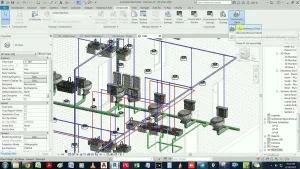
Mechanical, Electrical, and Plumbing (MEP) engineering benefits significantly from the DB approach. Early collaboration ensures that HVAC engineering, electrical layouts, and plumbing system design are coordinated to avoid clashes. In civil engineering projects, DB allows structural, geotechnical, and foundation designs to integrate with construction schedules, improving overall project efficiency.
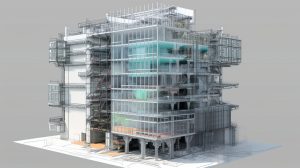
BIM technology often complements both DBB and DB. In DB projects, BIM facilitates early detection of design conflicts, precise quantity estimation, and collaborative decision-making. In DBB, BIM helps improve design accuracy and provides detailed models for bidding and construction.
Conclusion
Understanding the trade-offs and aligning the right delivery method with project goals is especially important for construction and civil engineering projects across Hauppauge, Long Island, and the greater New York area. As local projects grow more complex, many owners and developers are turning to technology-driven planning, stronger collaboration, and integrated delivery models. Because of this shift, Design-Build and hybrid approaches are becoming increasingly attractive for projects that demand speed, coordination, and cost control.
In the end, whether a project follows Design-Bid-Build or Design-Build, success comes down to careful planning, active stakeholder involvement, and expert MEP consulting. Working with experienced local professionals like STRAND Consulting helps ensure projects are delivered efficiently, remain cost-effective, and meet high-quality standards. Located at 490 Wheeler Rd, Suite 108, Hauppauge, NY 11788, STRAND Consulting brings regional expertise and hands-on engineering support to every project. For consultations, call (631) 805-3179 or visit their location on Google Maps.