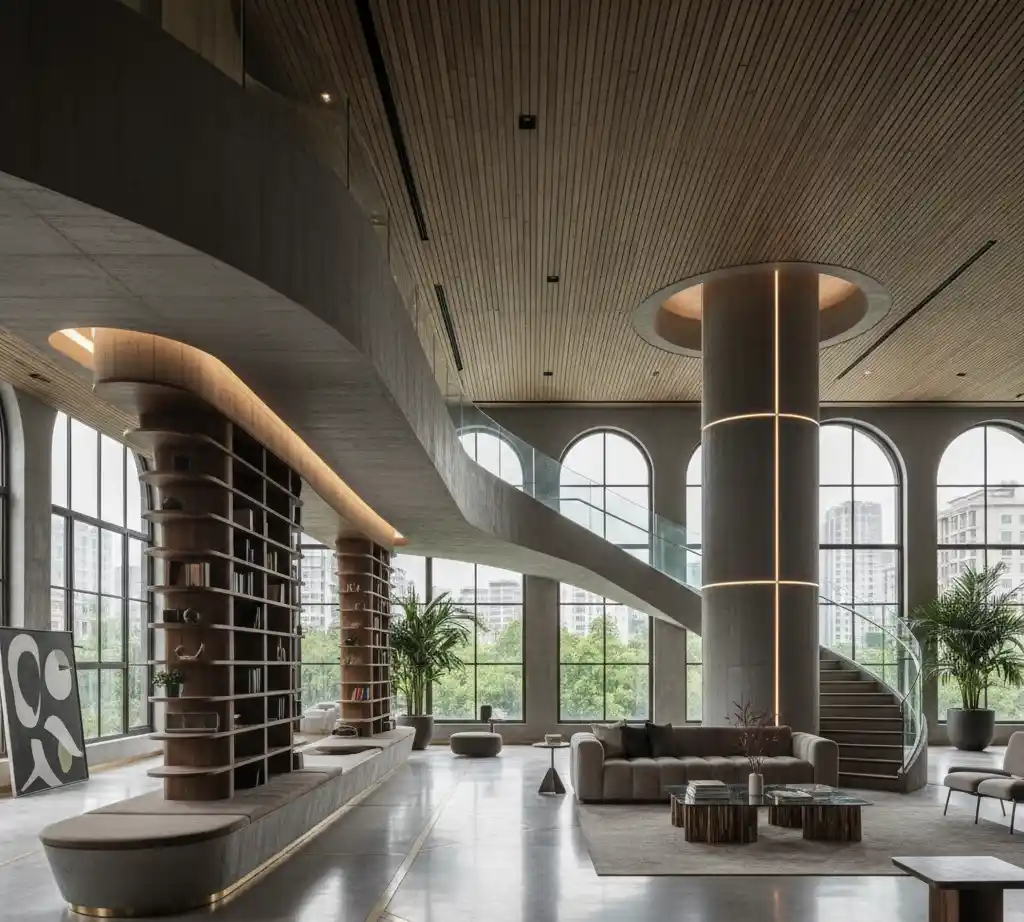
In architecture, form and function are often seen as two sides of the same coin. The structural design of a building makes it safe, stable, and durable, whereas the interior design creates a space that is experienced by people in a particular way. However, architectural genius is achieved when the two are applied consecutively- structural design to assist in the aesthetic purpose, and interior design to supplement the structural purpose.
Such integration is referred to as interior design and structural design integration, an integrated process whereby the structure is aligned with the beauty of the building. Whether it’s a minimalist home or a high-rise business development, the smooth blending of structure and interior results in spaces that are both aesthetically appealing and structurally stable.
This blog discusses ways architects and designers can combine all these factors, why it is necessary, and how contemporary tools and technologies can be more effective than ever.
Understanding the Relationship Between Interior and Structural Design
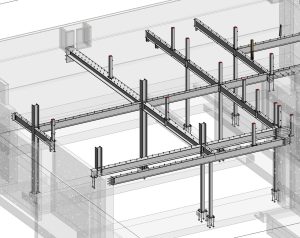
Structural design is concerned with the building structure that supports a building. It is the process of defining the size and material, construction of the beams, columns, slabs, and foundations to make sure that the building can handle the loads, stresses, and environmental forces such as wind or earthquakes.
Key objectives include:
- Ensuring stability and safety under all conditions.
- Minimising material use without compromising integrity.
- Creating a structure that aligns with architectural intent.
What Is Interior Design?
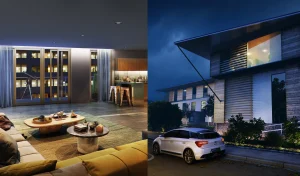
Interior design is more than being a decoration, it is the art and science of beautifying the interior spaces in a way that creates aesthetic and functional equilibrium. It includes such aspects as layout, lighting, textures, materials, and ergonomics, which make it comfortable and effective.
Interior designers aim to:
- Optimize space utilization and flow.
- Reflect the client’s identity or brand.
- Improve user experience through color, form, and light.
Where These Disciplines Intersect
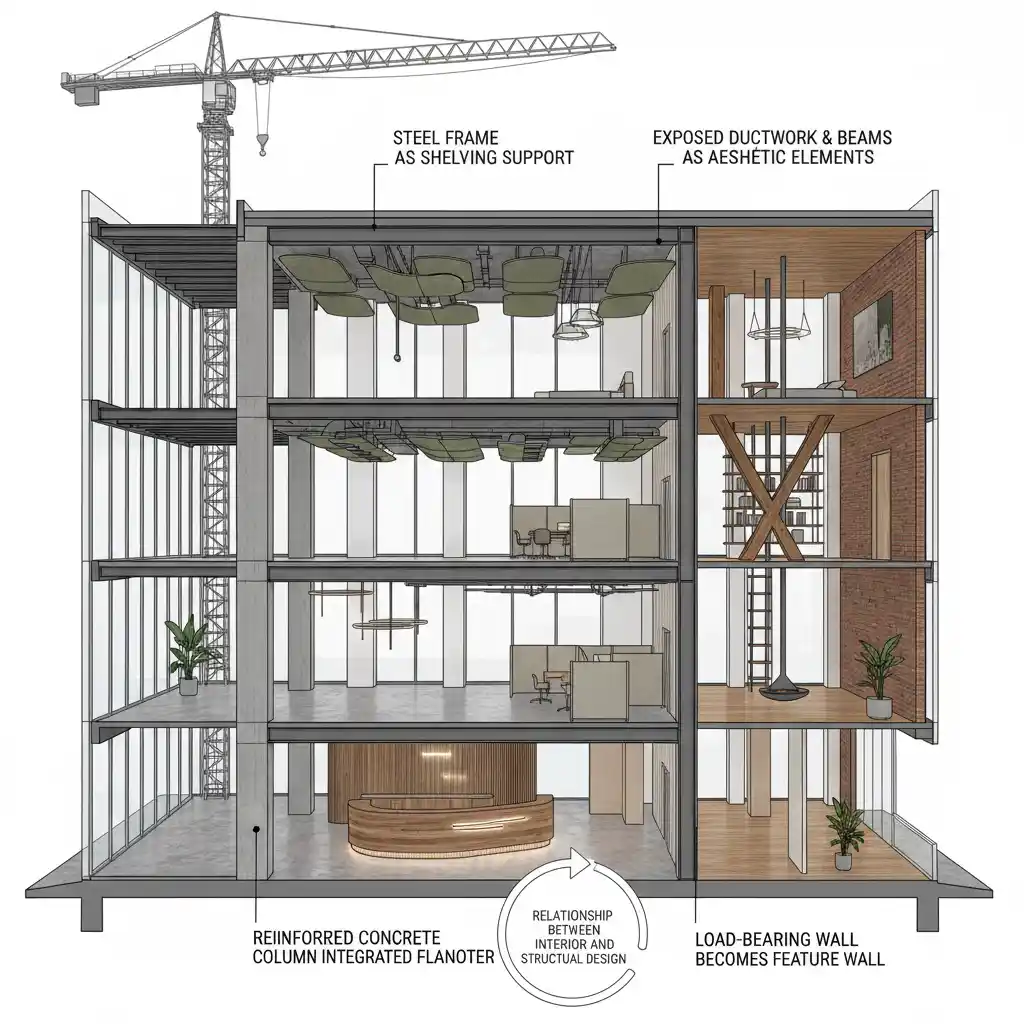
The intersection lies in how form meets structure. The creative idea of an interior designer has to be based on the structural system, whereas structural engineers should be aware of spatial and aesthetic objectives. Integration is important to make the visual and physical structure of the design so that they do not clash with each other.
The Importance of Integration in Modern Architecture
This cooperation between the interior and structural teams would lower the number of expensive revisions and clashes during the construction process. Lighting, mechanical, and aesthetic considerations can be included in structural systems designed to simplify the workflow.
Better Space Utilization
Integrated design enables architects to utilise the space to the maximum without needless obstruction. In the case of a beam layout, an example of this is that a planned beam layout can be made to match the ceiling designs to remove bulky protrusions and unnecessary vacancies.
Cost and Time Savings
Integration minimises redundancies, minimises design errors, and material efficiency-construction costs are reduced, resulting in reduced time to get the project completed. It also allows avoiding re-work due to the failure to align design and structure plans.
Aesthetic and Structural Balance
A building of good structural integrity does not have to lose its aesthetic value. It is also possible with integration that some of the structural elements, like columns, trusses, or beams, can be incorporated into the story of the design, glorified not as barriers, but as aesthetics.
Key Principles of Interior and Structural Design Integration
Collaboration from the Concept Stage
True integration begins during conceptual design, not after. When structural engineers and interior designers share ideas early, it ensures:
- Load-bearing systems support interior layouts.
- Lighting, ventilation, and structural grids align.
- Material choices are compatible across disciplines.
This proactive collaboration avoids the “patchwork” effect that occurs when interior plans are developed after structural work is finalized.
Respecting Load Paths and Spatial Intent
Design integration requires understanding load paths, how forces move through a building. Interior walls, ceilings, and finishes must adapt to structural realities without compromising spatial flow or design intent.
Material Coordination
Using compatible materials enhances both performance and visual continuity. For instance:
- Exposed concrete structures complement industrial interior styles.
- Timber frames integrate seamlessly with warm, organic interiors.
- Steel structures align with modern minimalist designs.
Material integration bridges technical necessity and artistic vision.
Flexibility for Future Modifications
An integrated design also plans for adaptability. Structurally flexible frameworks allow interior modifications or expansions without major reconstruction, important for commercial spaces or evolving home needs.
Strategies for Achieving Successful Integration
Collaborative Design Teams
Integration thrives on cross-disciplinary teamwork. Architects, structural engineers, and interior designers must communicate continuously through:
- Joint design meetings.
- Shared modeling tools.
- Transparent decision-making processes.
This ensures alignment on structural limitations, design goals, and functional priorities.
Using BIM (Building Information Modeling)
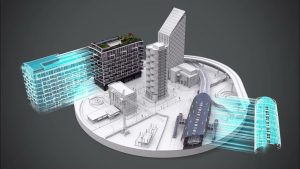
BIM technology has revolutionized how design teams collaborate. It allows multiple disciplines to work within a shared digital model, identifying conflicts and visualizing how structures, finishes, and systems interact.
Benefits of BIM in integration:
- Early clash detection between design components.
- Real-time updates to reflect design adjustments.
- Improved cost estimation and material tracking.
Coordinated Layout and Space Planning
Architectural layouts should anticipate structural components, for example, aligning partition walls with beams or columns. Similarly, ceiling and floor designs should respect structural depth and load distribution.
Integrating Lighting and Structural Design
Lighting design often depends on beam placement, ceiling height, and natural light sources. Integrating lighting concepts with structure ensures cohesive illumination, minimizing shadows and awkward fixtures.
Communication and Documentation
Regular coordination meetings, updated drawings, and shared data repositories ensure everyone works from the same design foundation. Clear documentation prevents misinterpretation during construction.
The Role of Materials and Technology in Integration
Modern architecture celebrates the honesty of materials, leaving structural elements exposed as design statements. Examples include:
- Steel beams highlighted in loft interiors.
- Exposed concrete walls provide texture and strength.
- Timber frameworks showcase craftsmanship and warmth.
This trend merges structure and aesthetics, removing the boundary between what’s functional and what’s beautiful.
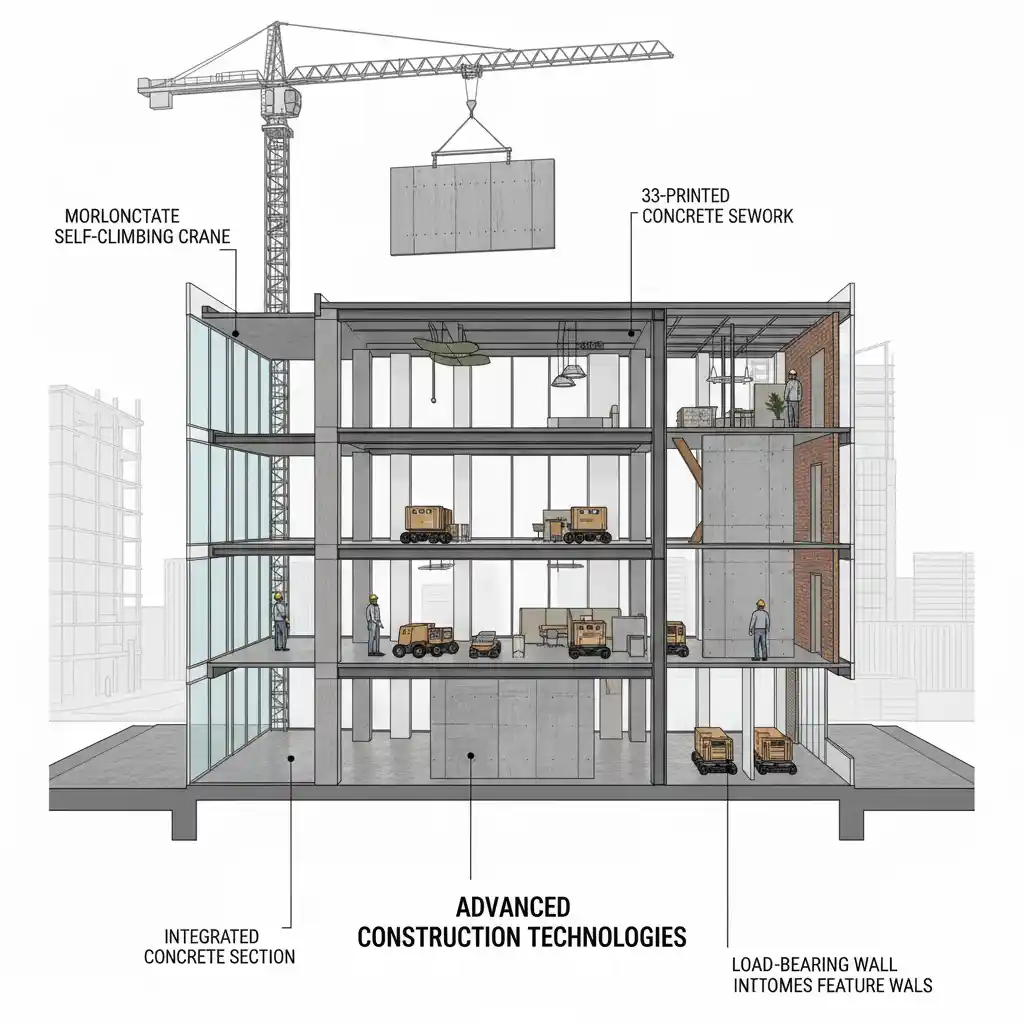
Advanced Construction Technologies
Innovations such as prefabrication, modular systems, and 3D printing enhance integration by enabling precise coordination between structure and interior finishes. Prefabricated panels can incorporate both structural integrity and design finishes, reducing on-site labor.
Smart Systems and Sustainability
Sustainable materials and smart technologies, like energy-efficient HVAC integration, solar shading systems, or daylight-responsive lighting, link structure and interior for energy efficiency and comfort. The structure itself can be designed to optimize natural ventilation and light, reducing reliance on artificial systems.
Challenges in Interior and Structural Integration
Communication Barriers
Poor collaboration between teams often leads to conflicts, such as structural elements obstructing intended design features. Regular meetings and integrated software can mitigate this.
Budget Constraints
Design integration may appear costly initially due to additional coordination efforts, but it ultimately saves resources by reducing rework and design conflicts.
Technical Complexity
Integrating aesthetic goals with structural limitations can be challenging, especially in unconventional designs (e.g., cantilevered spaces). Innovative engineering and advanced modeling tools are key to overcoming these barriers.
The Future of Integrated Design
Parametric and Generative Design
New technologies like parametric modeling allow architects to design based on performance criteria, balancing form, structure, and interior efficiency dynamically. This leads to data-driven, optimized solutions.
AI and Automation
Artificial intelligence assists in predicting material behavior, optimizing load paths, and automating interior layouts, all of which enhance the integration process.
Sustainable Integration
Future integration will focus heavily on sustainability, creating structures that inherently support energy-efficient interiors. Structural systems may integrate green roofs, solar panels, and natural ventilation paths, merging environmental and design objectives.
Conclusion
In Long Island, interior design and structural design are not in competition — they complement each other perfectly. When both fields come together at the earliest stage of a project, the result is a building that’s not only strong and durable but also beautiful and comfortable to live or work in.
At STRAND Consulting, we believe great design starts with collaboration. Our team in Hauppauge combines architectural vision with precise engineering to ensure that every project is both structurally sound and aesthetically inspiring. Whether you’re renovating an existing space or developing a new structure, we bring creativity and technical excellence together under one roof.
As the world moves toward efficiency and sustainability, integrated design has become essential—not optional. We approach every project with a mindset of balance: merging art and engineering to create sustainable spaces that reflect the future of architecture.
If you’re looking for expert consulting or design support, you can visit us at 490 Wheeler Rd, Suite 108, Hauppauge, NY 11788, USA (View on Map) or call us directly at (631) 805-3179. Let’s work together to design spaces that are built to last and meant to inspire.