Modern architecture, real estate, and marketing of designs have adopted 3D rendering as a necessary tool. Be it the representation of the luxury living room or the display of a high rise building in the backdrop of the city, the 3D rendering makes the stakeholders experience the spaces even before the actual construction. Nevertheless, the technology of interior and exterior 3D rendering demands totally different methods, processes, and design thinking.
Although both are based on the same fundamental principles of 3D modeling and visualization, the difficulties, priorities, and technical factors are quite different. This blog gives a detailed comparison between interior and exterior 3D rendering methods and so one can know more about how they operate and when to make good use of each one of them.
Purpose of Interior and Exterior Rendering
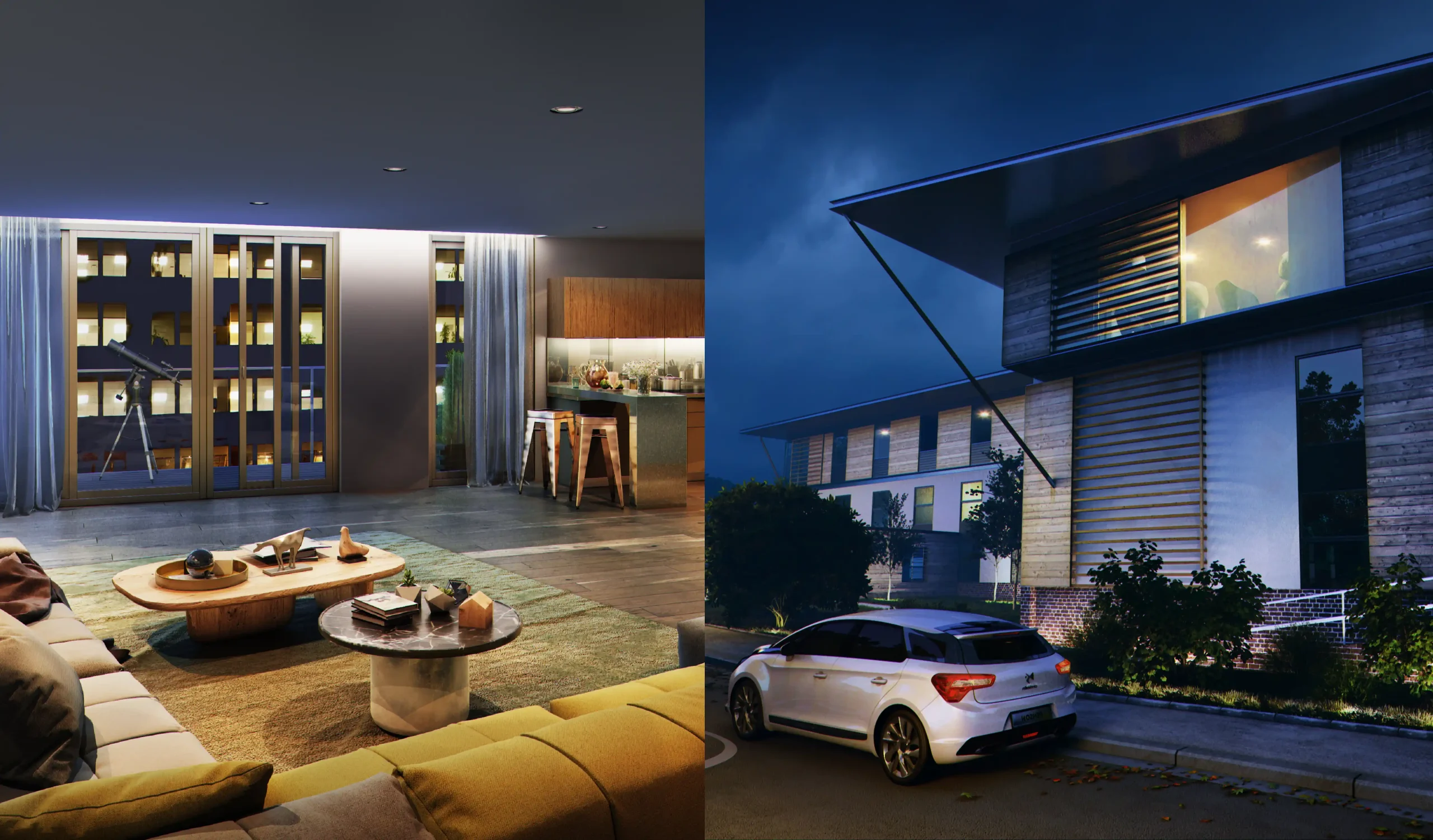
The major distinction between interior and exterior rendering is in their purpose. Interior rendering is concerned with the sense of space, the quality of the material, and the atmosphere of light in the enclosed areas. Exterior rendering lays stress on architectural form, context, scale and environmental integration.
Interior renderings are often used for:
- Interior design approvals
- Material and furniture selection
- Real estate marketing
- Client presentations
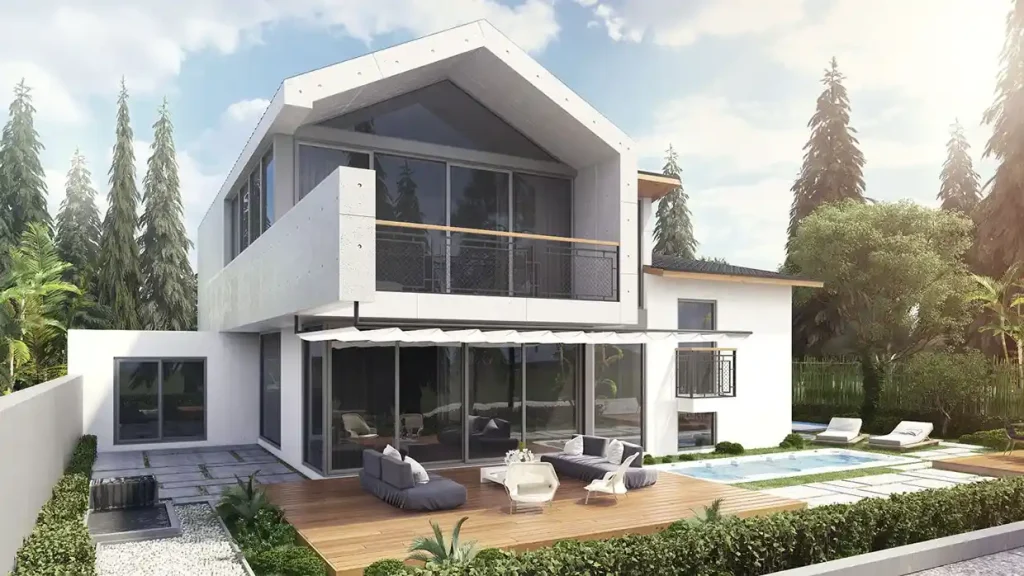
Exterior renderings are typically created for:
- Architectural design validation
- Planning and zoning approvals
- Marketing and branding
- Investor and stakeholder presentations
Understanding this distinction shapes every technical and artistic decision in the rendering process.
Modeling Techniques: Interior vs Exterior
The model of interior and exterior architecture demands various approaches, levels of details, and priorities. Interior modeling is concerned with spatial precision, human scale and functional correlation whereas exterior modeling is concerned with massing, articulation of facade and integration with the surrounding. These differences are critical in developing models that are interesting to look at and ones that are technically precise.
Interior 3D Modeling Techniques
The interior modeling is focused on accuracy and detailing. All the objects in the space such as the walls, floors, ceilings, furniture, fixtures, and the decor should be scaled up correctly. The smallest inaccuracies can be seen more well in close-up interior shots.
Interior models often require:
- High-poly furniture and décor assets
- Detailed joinery and millwork
- Accurate door, window, and fixture geometry
- Correct wall thicknesses and ceiling heights
Because interiors are viewed at eye level and close distances, fine details such as bevels, chamfers, and soft edges play a crucial role in realism.
Exterior 3D Modeling Techniques
Exterior modeling emphasizes in the general structure and proportion as opposed to the minor details. Although architectural authenticity remains a necessity, over the use of polygon detail in architecture can adversely affect performance without enhancing aesthetics.
Exterior models typically emphasize:
- Building massing and façade articulation
- Roof forms and structural elements
- Window and door patterns
- Site elements such as roads, landscaping, and surroundings
Detailing is often concentrated on visible façade elements, while hidden components are simplified.
Lighting Techniques and Challenges
Lighting is a characteristic feature of interior and exterior rendering however, it is applied in a very different way. Interior lighting is very manipulated and stratified, with daylight, artificial and indirect reflections.
Interior Lighting Techniques
One of the most important and problematic aspects of interior rendering is the lighting. Interiors are based on a close relationship between natural lighting and artificial lighting in order to provide mood and realism.
Key interior lighting techniques include:
- Using HDRI skylight through windows
- Simulating sunlight direction and softness
- Layering artificial lights such as downlights, lamps, and indirect lighting
- Adjusting color temperature to match real-world fixtures
Interior lighting must also account for light bounce, reflections, and shadow softness. Global illumination and ray-traced lighting are essential to achieve realistic results.
Exterior Lighting Techniques
The light that occurs outside depends mostly on the time of the day, the weather, and the surroundings. The most used exterior lighting systems are those that are recreated as daylight, i.e. at morning, noon or golden hour.
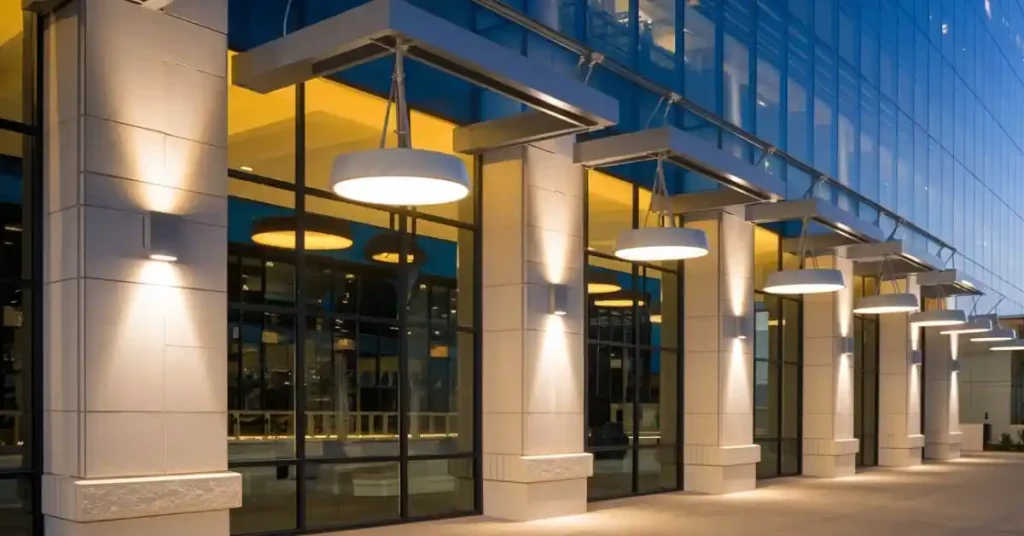
Exterior lighting techniques focus on:
- Accurate sun position and intensity
- Sky models and atmospheric lighting
- Soft shadows and ambient occlusion
- Artificial lighting for dusk or nighttime scenes
Unlike interiors, exterior lighting must also consider large-scale environmental effects such as haze, reflections on glass, and shadow interaction with surrounding structures.
Material and Texture Application
The relation of materials and textures is key to the depiction of realism and design intent in architectural models. Not only is proper application more than aesthetics, it is also the proper depiction of the surfaces, finishes, and building materials.
Interior Material Techniques
The interior rendering requires physical realistic materials and textures with a high resolution. As the surfaces are perceived at a close, details and material depth become extremely important to the realism.
Common interior material considerations include:
- PBR materials for floors, walls, and furniture
- Accurate reflection and roughness values
- Texture scaling and alignment
- Subtle imperfections like scratches or fabric weave
Materials must respond correctly to light, especially glossy surfaces such as marble, polished wood, and metals.
Exterior Material Techniques
Exterior materials focus more on weathering, scale, and durability. Materials must appear realistic from mid-to-long viewing distances.
Exterior material techniques emphasize:
- Correct texture tiling for large surfaces
- Subtle weathering and aging effects
- Accurate reflection for glass and metal façades
- Reduced texture resolution where detail is not visible
Performance optimization is more important in exterior scenes due to larger environments.
Camera Composition and Framing
The camera composition is what defines the perception of the viewer to an architectural space. Strategic framing brings forth the main design aspects, creates the scale and directs the visual attention. Carefully taken camera angles can be used to convey architectural purpose, and also construct stimulating and harmonizing visual stories.
Interior Camera Techniques
The space usually limits the placement of interior cameras. Wide-angle lenses are the ones that are usually employed to take a larger portion of the room, yet they should be handled with caution, as they look distorted.
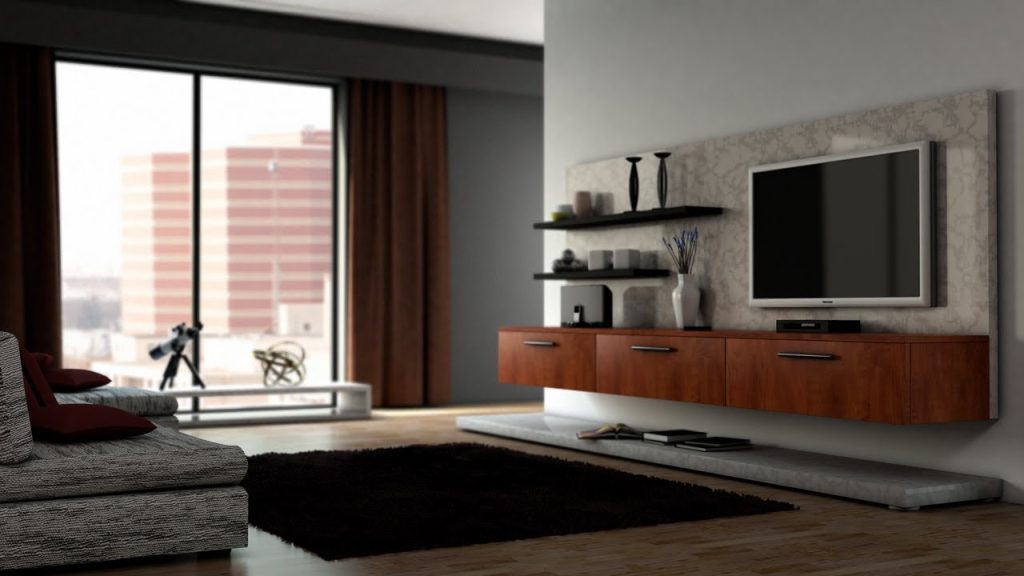
Interior composition techniques include:
- Eye-level perspectives for realism
- Two-point perspective to reduce distortion
- Framing that highlights focal points
- Strategic depth and layering
The goal is to make spaces feel open, functional, and inviting.
Exterior Camera Techniques
Exterior camera setups focus on scale and architectural storytelling. Cameras are positioned to showcase the building’s form, entrance, and relationship to its surroundings.
Exterior techniques include:
- Low-angle shots for dramatic impact
- Contextual views showing neighboring buildings
- Aerial perspectives for site understanding
- Balanced framing to avoid exaggerated scale
Exterior views must clearly communicate architectural intent and urban context.
Environmental Context and Scene Setup
Environmental context and scene setup play a vital role in bringing architectural visualizations to life. Beyond the building itself, elements such as surrounding landscapes, neighboring structures, lighting conditions, and atmospheric effects help establish realism and scale.
Interior Scene Context
Interior scenes rely heavily on human-scale context. Props such as furniture, plants, artwork, and accessories bring life to the space and communicate function.
Interior environments are carefully staged to:
- Reflect lifestyle and use case
- Support design narrative
- Guide viewer attention
Over-cluttering is avoided to maintain visual clarity.
Exterior Scene Context
Exterior scenes require environmental storytelling. Surroundings such as landscaping, streets, sky conditions, and people help viewers understand scale and usage.
Exterior context includes:
- Trees, shrubs, and terrain
- Vehicles and pedestrians
- Adjacent buildings
- Sky and weather elements
These elements enhance realism and situational awareness.
Conclusion
Interior and exterior 3D rendering are two professional fields that require various technical abilities, artistic flair, and processes. Interior rendering is more effective at rendering atmosphere, materials, and human experience, and exterior rendering renders architectural identity, context, and scale.
Knowing the unique approaches in every, the design teams can create more efficient images, facilitate the process, and show persuasive presentations that are appealing to clients and stakeholders. With the ever-growing development of visualization technology, learning to render the interior and exterior is still a crucial aspect of rolling in the digital design.