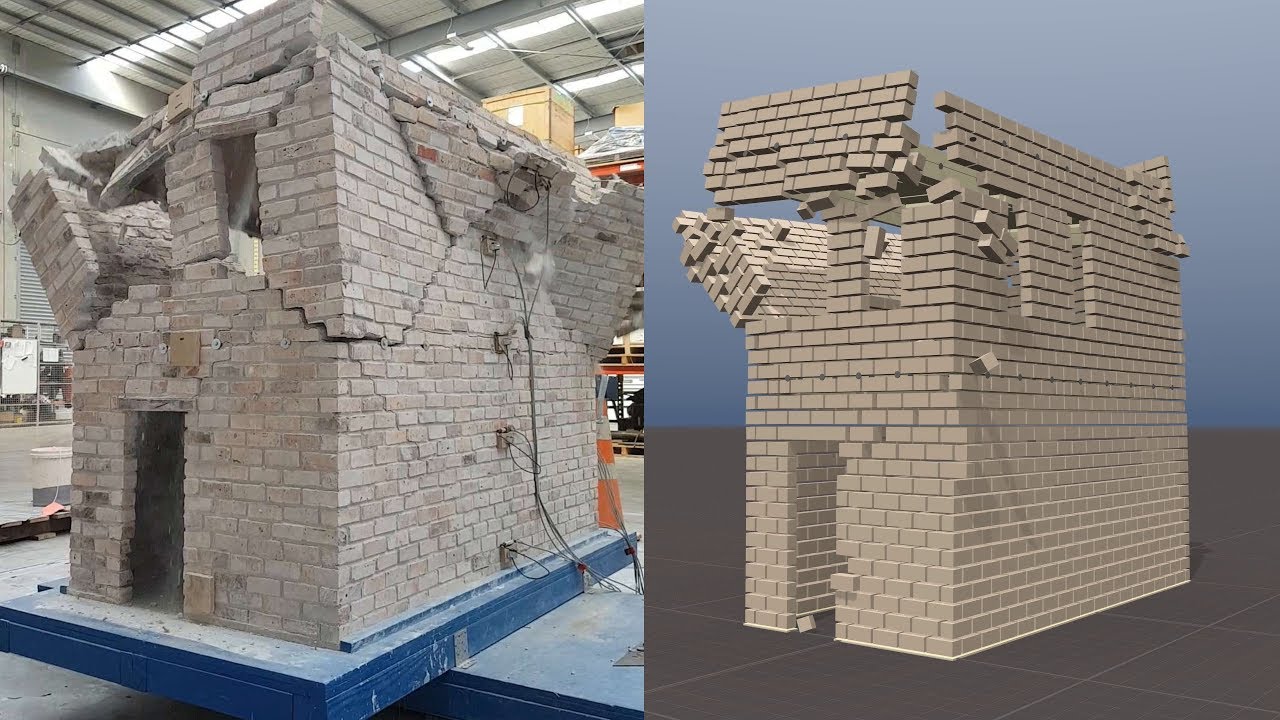
Masonry construction plays a critical role in structural integrity, building envelopes, and architectural aesthetics. Nonetheless, masons systems are commonly overlapped with structural frames, MEPs, openings, and finishes, which is why they are most likely to suffer coordination issues. Even 2D drawings often do not display those problems until the construction process has started, causing expensive rework, time loss, as well as a waste of materials.
Building Information Modeling (BIM) has changed the approach to the masonry coordination. BIM allows project teams to detect and address masonry conflicts even prior to construction because it has high clash detectors and coordination of multidisciplinary models. This proactive solution makes accuracy better, risks lesser and project efficiency better.
This blog discusses how BIM coordination can be used to achieve successful masons clash detection, the areas of conflict that are likely to occur, the workflows, the tools, the advantages and the best practices that can be used to have this successfully implemented.
Masonry Clashes in Construction Projects
Masonry conflicts are the elements that clash with other building elements as a result of misalignment, space conflicts, or mismatch of designs. Such conflicts usually occur due to the fact that masonry is usually described at the end of the project or on a stand-alone basis in regards to structural or MEP coordination activities.
Common causes of masonry clashes include:
- Inconsistent wall thicknesses across drawings
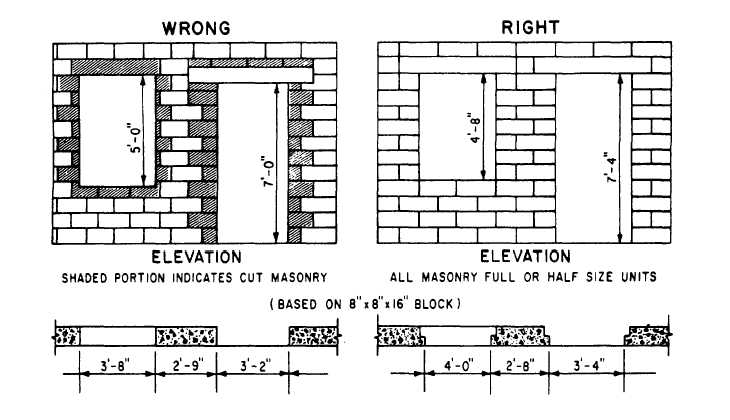
- Uncoordinated openings for doors, windows, and services
- Conflicts with structural columns, beams, or slabs
- MEP penetrations intersecting load-bearing masonry
- Improper placement of lintels, anchors, or embeds
They manifest in construction without adequate identification and at this point, rectifying them is costly and disruptive. BIM coordination enables such conflicts to be represented and solved in a digital world, way before materials reach the construction site.
Role of BIM in Masonry Coordination
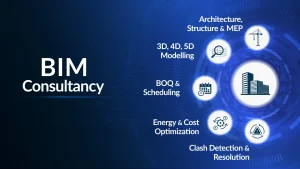
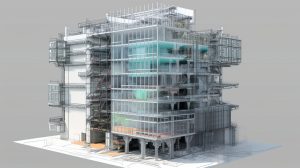
BIM develops a centralized computerized model of the building, which combines the architectural, structural, and MEP models into one coordinated location. In the case of masonry systems, it implies that one can model and verify walls, openings, reinforcements, ties, and supports with other disciplines.
BIM models, unlike in 2D drawings, are data rich and spatially accurate. All the elements of masonry are placed in 3D space, and clashes can be more conveniently identified and fixed. BIM coordination helps to make sure that masonry does not have its own scope but is part of the whole building construction.
What Is Masonry Clash Detection?
Masonry clash detection Clash detection is an operation of determining the physical conflicts, clearance, and constructability problems of masonry components in a BIM model. Such conflicts may be divided into:
- Hard clashes: Physical overlaps between masonry and other elements such as beams, ducts, or pipes
- Soft clashes: Clearance or access issues, including insufficient space for installation or maintenance
- Workflow clashes: Sequencing conflicts where masonry construction interferes with installation of other systems
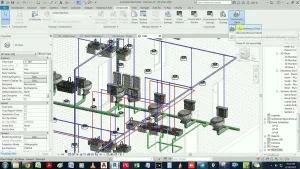
Clash detection tools within BIM software automatically analyze models to flag these issues, allowing teams to resolve them during the design and coordination phase.
Common Masonry Clashes Identified Through BIM
Masonry systems frequently clash with surrounding building components due to late design changes or incomplete coordination. BIM makes these conflicts visible early, enabling teams to address structural, MEP, and architectural issues before they impact construction schedules and budgets.
Masonry vs Structural Frame
Masonry walls frequently clash with columns, beams, shear walls, or slabs when structural layouts are modified after architectural planning. BIM reveals misalignments such as:
- Walls intersecting columns
- Insufficient bearing for masonry supports
- Beam intrusions into wall cavities
These issues can be resolved early by adjusting wall locations, modifying structural elements, or redesigning support details.
Masonry vs MEP Systems
BIM coordination allows optimization of service routes, appropriate location of sleeves and openings and coordination of penetrations that do not affect structural integrity. One of the major causes of masonry clashes is MEP services. Common conflicts include:
- Ducts passing through load-bearing masonry
- Pipes intersecting lintels or reinforcements
- Electrical conduits clashing with wall embeds
Masonry Openings and Architectural Elements
Openings for doors, windows, louvers, and façade features often conflict with structural or MEP elements. BIM helps ensure:
- Proper alignment of openings across disciplines
- Adequate clearance for frames and hardware
- Coordination of lintels, sills, and reinforcements
This reduces site modifications and ensures aesthetic and functional requirements are met.
BIM Coordination Workflow for Masonry Clash Detection
An effective BIM coordination workflow ensures masonry clashes are identified and resolved in a structured, repeatable manner. By following a defined sequence of modeling, coordination, review, and validation, teams can maintain accuracy and prevent last-minute changes.
Step 1: Create Accurate Masonry Models
The process begins with developing detailed masonry models that include wall types, thicknesses, materials, reinforcements, and openings. Generic walls should be avoided in favor of precise masonry assemblies.
Step 2: Integrate Multidisciplinary Models
Architectural, structural, and MEP models are federated into a coordination environment. Model alignment and shared coordinates are critical to ensure accurate clash detection.
Step 3: Run Clash Detection Tests
Using BIM coordination software, automated clash tests are performed between masonry and other systems. Clashes are categorized, prioritized, and documented.
Step 4: Review and Resolve Clashes
Coordination meetings are held to review detected clashes. Solutions may involve:
- Adjusting wall layouts
- Rerouting MEP services
- Modifying structural details
- Redesigning openings or supports
All resolutions are updated in the models and rechecked.
Step 5: Validate Constructability
Once clashes are resolved, constructability reviews ensure masonry can be built efficiently, safely, and in sequence with other trades.
BIM Tools Used for Masonry Clash Detection
Several BIM tools support effective masonry coordination. These tools provide visualization, reporting, and communication capabilities that streamline the coordination process.
These include:
- Autodesk Revit for detailed masonry modeling
- Navisworks Manage for clash detection and coordination
- Solibri for rule-based model checking
- BIM 360 / ACC for issue tracking and collaboration
Benefits of Masonry Clash Detection Using BIM
Masonry clash detection using BIM is worth much more than just eliminating mistakes. It helps in better collaboration, high quality of construction and provides quantifiable time and cost savings throughout the project lifecycle.
- Reduced Rework and Change Orders: Identifying conflicts before construction significantly reduces rework, saving time and money. Contractors avoid costly on-site adjustments and material waste.
- Improved Accuracy and Quality: BIM coordination ensures masonry drawings are accurate and aligned with all disciplines, resulting in higher construction quality and fewer errors.
- Enhanced Collaboration: BIM promotes transparent communication between architects, engineers, contractors, and fabricators. Everyone works from the same coordinated model.
- Faster Construction Schedules: When clashes are resolved early, construction progresses smoothly without interruptions, delays, or trade conflicts.
- Cost Control and Risk Reduction: Proactive clash detection reduces budget overruns, minimizes disputes, and improves predictability across the project lifecycle.
Future of Masonry Coordination with BIM
As BIM adoption continues to grow, masonry coordination is becoming more advanced. Emerging trends include:
- AI-driven clash detection
- Parametric masonry modeling
- Integration with construction sequencing (4D BIM)
- Automated quantity takeoffs and cost analysis
These innovations further enhance efficiency, accuracy, and constructability in masonry construction.
Conclusion
Masonry clash detection through BIM coordination has become a critical tool for improving construction accuracy, efficiency, and collaboration across New York projects. By identifying and resolving conflicts digitally before construction begins, project teams reduce on-site risk, control costs, and deliver higher-quality masonry systems with confidence.
In a demanding market like Long Island and the greater New York area, BIM-enabled masonry coordination is no longer optional—it is essential for successful project delivery. Partnering with an experienced BIM Consultancy Company helps contractors, architects, and developers build smarter, faster, and with fewer surprises, even on the most complex projects.
For expert BIM coordination services, contact Strand Consulting at (631) 805-3179, email connect@strand-co.com, or visit 490 Wheeler Rd, Suite 108, Hauppauge, NY 11788, USA.