A rebar detailing kickoff should establish which information controls the work, who resolves questions, what each release contains, and when the fabricator and field team need it. The outcome is a documented decision to begin a defined package or hold the affected work until missing information is resolved.
For U.S. contractors, fabricators, and detailing teams, the checklist below provides a practical meeting framework. Apply it to the project’s contract documents and assigned responsibilities; it does not establish project-specific reinforcement design requirements.
Key Takeaways
- Confirm the scope, current drawing revisions, responsible contacts, and deliverables before production detailing.
- Record the applicable U.S. codes, adopted editions, specifications, and fabrication conventions.
- Build package dates backward from required delivery and installation dates, allowing time for review and corrections.
- Separate permission to start detailing from authorization to fabricate or deliver reinforcement.
- Hold work affected by unresolved design or coordination issues; document whether independent packages can proceed.
What Should the Kickoff Meeting Produce?
The contractor, detailer, fabricator, and placer should leave with a shared record of decisions, open issues, and next actions. Include the engineer of record or an authorized design contact when design questions require resolution.
Prepare a decision register with the affected area, controlling document reference, decision or missing information, responsible person, due date, and hold status. A checkbox alone does not tell the team who must resolve an incomplete item.
Detailing communicates the design through fabrication information and placing drawings. ACI’s guidance emphasizes providing sufficient design information for that translation, while CRSI describes placing drawings as instructions for locating reinforcement in the field.
Which Documents Should the Detailer Receive?
Assemble current structural drawings, specifications, addenda, approved design changes, concrete geometry, relevant architectural/civil/MEP information, the project schedule, and a drawing register. Include approved product information, client drawing standards, and available coordination models where relevant. Request geotechnical or other specialist information only when it is needed for the assigned work.
Record issue dates, revision numbers, and permitted use. A file received most recently is not necessarily the authorized basis for detailing.
Establish the contract’s document precedence and the process for resolving conflicts. Where structural drawings, architectural dimensions, specifications, or models disagree, the detailer should raise the issue through the agreed RFI route rather than choose a design solution independently.
Assign responsibility for distributing revisions and notifying affected teams. Retain superseded documents in a controlled archive while preventing their use for active production or installation.
Define the Scope and Technical Responsibilities
Identify included foundations, grade beams, slabs, walls, columns, beams, stairs, retaining walls, equipment pads, and interfaces with other concrete work. Record exclusions and package boundaries.
Clarify responsibility for welded wire reinforcement, post-tensioning interfaces, couplers, bar supports, prefabricated cages, and temporary reinforcement. Do not assume that detailing includes engineering design for lifting, temporary stability, or supports simply because these items involve reinforcing steel.
| Activity | Responsibility to confirm at kickoff |
| Reinforcement design and design changes | Engineer of record or expressly assigned design professional |
| Concrete dimensions and field verification | Named party responsible for the controlling information and any required site measurements |
| Placing drawings and fabrication information | Detailing team within its agreed scope |
| Construction sequence and installation access | Contractor and placer, with design review where required |
| Fabrication limits, bar lists, and shop output | Fabricator and detailing team |
| Submittal review and release authorization | Named parties under the project’s review and release procedure |
Confirm U.S. Codes, Materials, and Detailing Rules
Record the governing jurisdiction and adopted code editions, together with project specifications. Do not automatically substitute the newest published edition for the edition applicable to the project.
Distinguish design requirements from detailing guidance. ACI 315R-18 explains presentation of reinforcement design information; it is not a substitute for the project’s structural design or governing code.
| Topic | Required confirmation |
| Governing requirements | Applicable building code, ACI provisions, local amendments, and project specifications; agency requirements where relevant |
| Detailing conventions | Project drawing standards and applicable CRSI/ACI guidance |
| Materials | Specified ASTM designation, grade, bar sizes, coatings, and permitted products |
| Dimensions and units | U.S. customary or metric units, bar-size designations, and dimensioning conventions |
| Cover and spacing | Requirements by member and location, including layers and clearances |
| Development and splices | Design requirements, lap locations, restrictions, and approved coupler details |
| Hooks and bends | Shapes, dimensions, fabrication tolerances, and shop limitations |
| Seismic details | Project-specific confinement, ties, hoops, boundary reinforcement, and splice restrictions |
| Supports and accessories | Required types, selection responsibility, supply scope, and detailing requirements |
| Welding | Whether permitted, applicable specifications, and responsibility for procedures and inspection |
| Corrosion protection | Specified coating or material system and relevant handling requirements |
Do not introduce a material substitution, alter a splice, or move reinforcement to resolve a clash without the required design authorization.
Align Bar Marks, Schedules, and Digital Deliverables
Ask the fabricator to confirm stock lengths, bending capabilities, preferred conventions, bar marks, bundle identification, and required electronic output before production detailing.
Agree whether the package includes placing drawings, enlarged details, bar lists or bar bending schedules, material summaries, models, machine-readable fabrication data, transmittals, and revision logs. Define the purpose of each file; a coordination model or review PDF should not be mistaken for an authorized fabrication release.
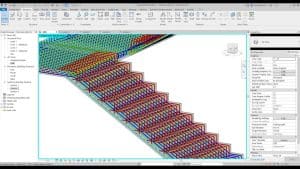
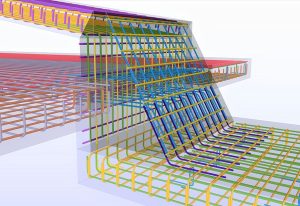
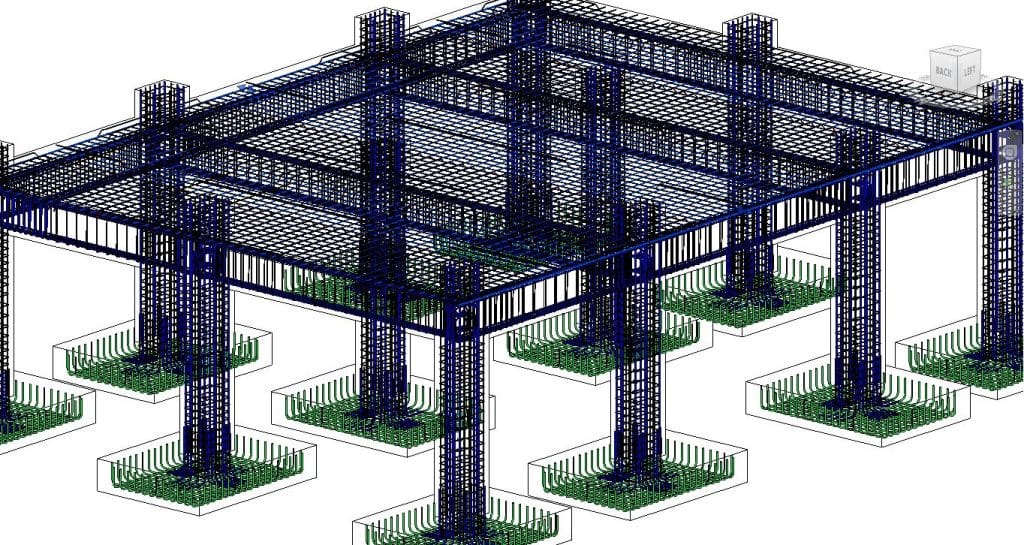
If a model is required, record its intended use, level of development, software/version, exchange format, coordinates, revision ownership, and deliverable scope. CRSI describes how reinforcement models can reveal congestion and coordinate reinforcing steel with other trades. That supports discussing model requirements early, without assuming every project needs the same model deliverable.
Where machine-readable files are required, agree how the fabricator will check a sample import and confirm consistency with the corresponding drawing revision and bar list.
How Should Releases Match the Pour and Delivery Schedule?
Break the work into packages that match the planned construction sequence. Identify pours, floors, grids, lifts, construction joints, and any interfaces requiring reinforcement from an earlier package.
For each package, work backward from the required installation and delivery dates. Agree time for material procurement where applicable, fabrication, detailing, internal checking, submittal review, and revisions. Obtain actual durations from the responsible parties; there is no single turnaround time that fits every project.
Keep separate milestones for:
- Receiving the required design and coordination information.
- Completing and checking the first submission.
- Receiving comments and completing corrections.
- Authorizing the applicable fabrication release.
- Fabricating, delivering, and installing the package.
Record the point after which new changes require an impact review. A scheduled information cutoff does not remove the need to address a later design change.
What Delivery Details Affect Detailing?
Confirm how bundles will be grouped and identified so they can be matched to the correct pour, area, drawing, and bar list. Ask the contractor, fabricator, and placer about receiving hours, access constraints, unloading arrangements, storage space, and agreed bundle limits.
These are coordination inputs, not handling instructions. Equipment capacity and lifting arrangements remain with the responsible project parties.
Coordinate Openings, Embeds, and Congested Areas
Review slab and wall openings, sleeves, blockouts, embedded plates, anchor bolts, equipment bases, façade interfaces, construction joints, waterstops, and precast connections.
Give early attention to beam-column intersections, pile caps, transfer members, wall boundaries, and other congested areas. Record who will provide missing dimensions and who will resolve conflicts involving design requirements.
Where existing construction affects the work, identify who must verify field dimensions or existing reinforcement locations and when that information is needed. Do not present assumed site conditions as verified dimensions.
Establish the RFI and Review Process
An RFI should identify the drawing/detail references, affected area, question or conflict, supporting sketch where helpful, and the date by which a response is needed. State whether the issue affects detailing, fabrication, delivery, or installation.
Agree the authorized sender, numbering system, response route, escalation contact, and official log. Record verbal direction through the project’s documented process before relying on it to change production information.
Define every review status used on the project. Labels such as “Approved as Noted” do not have a universal release meaning. Record whether comments must first be incorporated, whether resubmission is required, and who authorizes the resulting fabrication release.
Review completion, fabrication authorization, and shipping instructions should be traceable to the correct package and revision. Do not infer permission from silence or a missed target review date.
Check the First Package Before Release
Assign self-checking and independent checking responsibilities. Review concrete geometry, bar sizes and quantities, spacing, marks, shapes, laps, hooks, cover, openings, reference details, and revision information against the authorized inputs.
Check that placing drawings, bar lists, and digital fabrication files describe the same release. For example, a corrected drawing should not be issued with a superseded bar list.
Use the first package to confirm presentation conventions with the reviewer, fabricator, and placer. Resolve format or identification problems before repeating them through later packages.
What Happens When Drawings Change After Fabrication Starts?
Identify the affected drawings, bar marks, quantities, and locations. Ask the fabricator and contractor to establish whether the bars are undetailed, scheduled, cut/bent, delivered, or installed; each condition requires a different response.
Notify the responsible parties promptly and apply the project’s hold procedure to affected work. Record the design disposition, revised documents, release authorization, and any schedule or cost impact. Do not assume fabricated bars can be reused, modified, or installed elsewhere without the appropriate review.
Keep obsolete information out of active production and field use, while preserving the revision history. Address additional work through the agreed change process rather than allowing commercial uncertainty to obscure which technical revision controls.
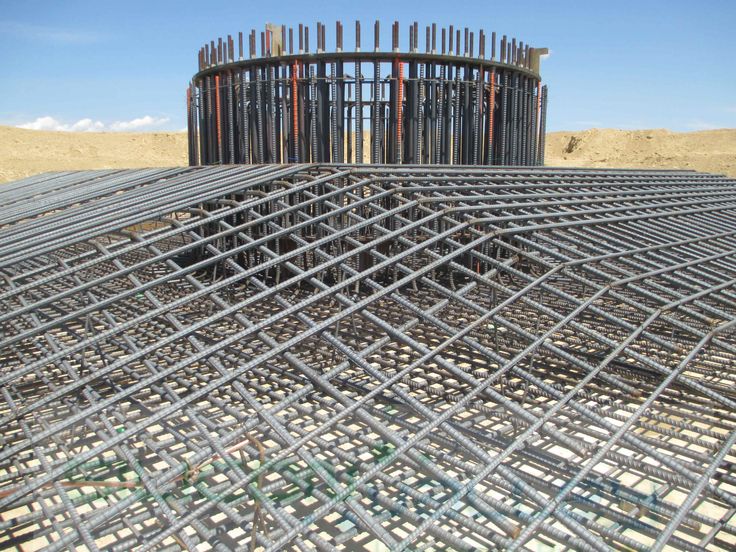
Master Rebar Detailing Kickoff Checklist
For each row, assign an owner and due date in the decision register. Use Complete, Open, Hold, or Not applicable, and identify the affected package.
| Kickoff check | Confirmation to record |
| Scope | Included elements, exclusions, and package boundaries |
| Inputs | Authorized drawings, specifications, revisions, and coordination information |
| Document control | Register, precedence/conflict route, and distribution owner |
| Codes and materials | Applicable editions, specifications, grades, coatings, and units |
| Reinforcement rules | Cover, spacing, development, splices, bends, and special requirements |
| Responsibilities | Design, field verification, detailing, accessories, checking, and release contacts |
| Coordination | Openings, embeds, joints, interfaces, and unresolved congested areas |
| Fabricator conventions | Bar marks, shapes, schedules, sample data exchange, and shop constraints |
| Deliverables | Required drawings, lists, models, formats, and intended uses |
| Sequence | Pour/package boundaries and dependencies between releases |
| Schedule | Input, review, revision, fabrication, delivery, and installation milestones |
| Logistics | Bundle grouping, identification, access, receiving, and storage constraints |
| RFIs | Sender, response dates, escalation route, and log |
| Quality review | Named checkers and first-package acceptance criteria |
| Authorization | Review statuses and authority for each fabrication release |
| Changes | Impact review, notification, superseded-file handling, and commercial procedure |
| Start decision | Packages authorized to proceed and packages explicitly held |
Can Detailing Start While Some RFIs Remain Open?
Only proceed with a defined package when the authorized team confirms its inputs are sufficient and unresolved issues do not affect its reinforcement or interfaces. Keep the affected areas on hold and identify them clearly in the register and working documents.
For example, an unresolved wall opening may affect that wall’s reinforcement and connecting bars without affecting a separate, fully defined foundation package. This is an illustrative case; the responsible team must determine the actual dependencies.
Permission to detail an unaffected area does not itself authorize fabrication. Each package still needs its required checks and release authorization.
Frequently Asked Questions
Are rebar shop drawings and bar bending schedules the same deliverable?
No. Placing or shop drawings communicate where and how reinforcement is arranged. Bar lists or bending schedules provide itemized fabrication information under the agreed conventions. Confirm the required contents and keep both aligned to the same revision.
Is a 3D reinforcement model required for every kickoff?
Confirm the contract and coordination requirements. If a model is included, specify what it must communicate and how it will be used. A model should not be assumed to replace required placing drawings, bar lists, or approvals.
Who should confirm lap lengths and coupler locations?
The responsible design authority should provide or confirm the applicable design requirements. The detailer documents them and raises missing or conflicting information; the fabricator confirms product and production constraints within its scope.
How long should the first detailing submission take?
Agree a project-specific duration after reviewing scope, input completeness, coordination needs, team capacity, and checking requirements. Include review and correction time when planning the fabrication start, rather than treating the first submission date as the release date.
Put the Kickoff Decisions Into the First Release
A useful kickoff record connects each package to its design inputs, responsible people, unresolved issues, and release dates. Keep that record current as the project moves from detailing to fabrication and installation.
For your next project, discuss the current drawing package, first planned pour, required deliverables, and open coordination issues with Strand Consulting Corporation so the detailing scope and kickoff requirements can be agreed.