
Summary
Fiberglass rebar, also called GFRP rebar, is used inside concrete to help control cracks and add strength. It is light, strong, and does not rust like steel.
But it must be placed and fastened the right way. The main requirements for placing and fastening fiberglass rebar are to follow the drawings, keep the right concrete cover, use proper chairs and spacers, tie the bars firmly, and stop the grid from floating or shifting during the concrete pour.
For many U.S. projects, key references include ACI SPEC-440.5-22, ACI CODE-440.11-22, and ASTM D7957/D7957M. ACI SPEC-440.5-22 covers construction of concrete members internally reinforced with GFRP bars, including placing and tolerance topics. ASTM D7957/D7957M covers solid round GFRP bars supplied in cut lengths and bent shapes, with surface features for concrete reinforcement.
5 Key Takeaways
- Place fiberglass rebar exactly where the approved drawings show.
- Use plastic or composite chairs, spacers, ties, and clips when a noncorrosive system is required.
- Tie the grid firmly so it does not float, bow, or shift during the pour.
- Do not shear, field bend, overheat, or crush GFRP rebar.
- Wear proper PPE when cutting fiberglass rebar because dust and fibers can irritate skin, eyes, and lungs.
Introduction
Fiberglass rebar is a smart choice for concrete work where rust is a concern. You may see it in slabs, bridge decks, parking areas, seawalls, marine jobs, chemical plants, and concrete exposed to salt or moisture.
Still, GFRP rebar is not just steel rebar with a different look. It is lighter. It can float in wet concrete if it is not tied well. It can also be damaged by rough handling, tight ties, shearing, poor cutting, or field bending.
That is why the requirements for placing and fastening fiberglass rebar matter. Good placement helps the concrete do its job. Bad placement can lead to failed inspection, cracks, weak spots, or costly repairs.
What Fiberglass Rebar Is
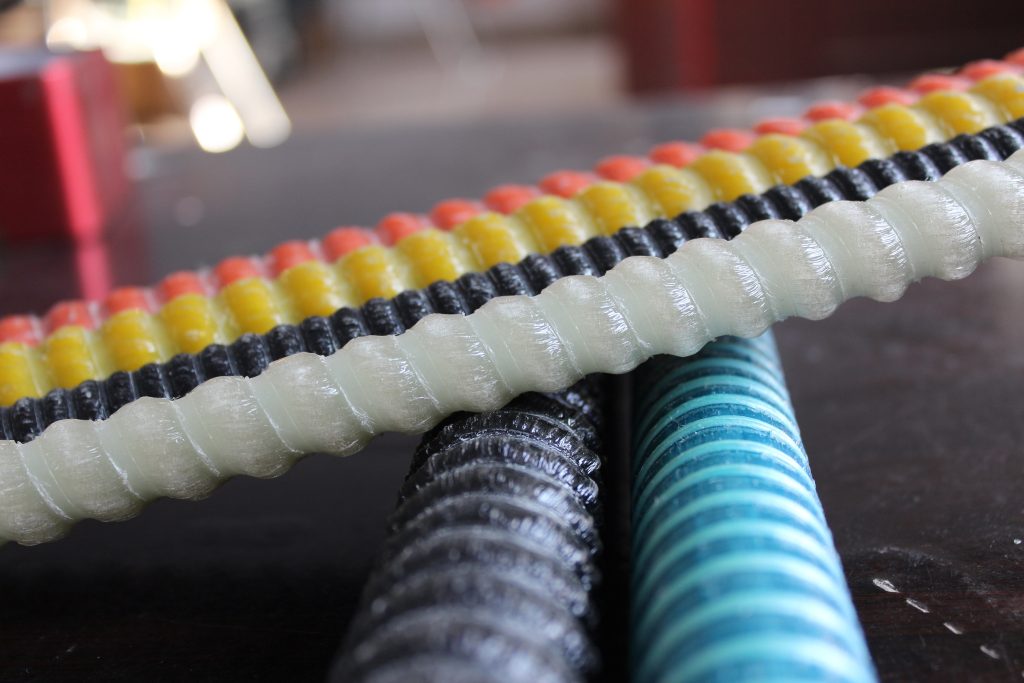
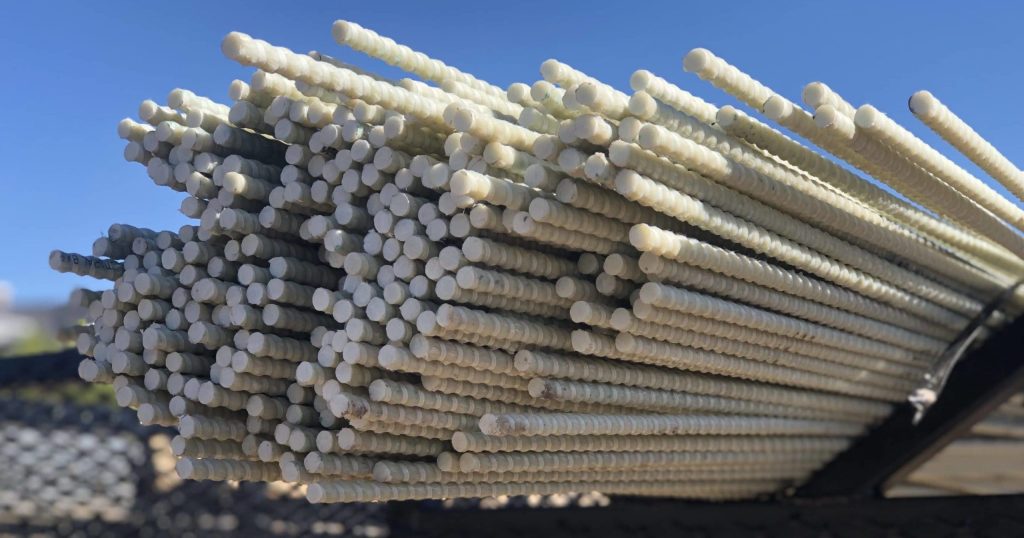
Fiberglass rebar is made from glass fibers and resin. The fibers give the bar strength. The resin holds the fibers together.
It is also known as GFRP rebar, FRP rebar, fiberglass reinforcing bar, glass fiber-reinforced polymer bar, or non-metallic rebar.
Most GFRP bars have a surface pattern, sand coating, ribs, or wrap. This outside surface helps the bar bond with concrete. Keep it clean and do not damage it.
Check the Drawings and Specs First
Before the crew starts placing bars, check the approved drawings and project specs. These documents control the job.
The drawings should show bar size, spacing, lap splices, cover, layers, bends, and extra bars around openings. The specs should tell you what type of GFRP rebar is allowed and what supports or fasteners can be used.
ACI SPEC-440.5-22 says contract documents govern if there is a conflict. So do not rely on guesswork or general rules from another job. Build what the approved documents show.
Main Requirements for Placing Fiberglass Rebar
Match the Bar Layout
Start with the layout. Each bar must go where the plan says it goes.
Check the bar size, length, spacing, layer, and direction. For slabs, make sure the top mat and bottom mat are not mixed up. For walls, check both faces. For footings, check edges, corners, and steps.
Around openings, drains, sleeves, and blockouts, place the extra bars shown on the drawings before the area gets crowded.
Do not copy steel rebar habits unless the engineer has approved them for GFRP.
Keep the Correct Concrete Cover
Concrete cover is the space from the outside face of the concrete to the rebar.
Even though fiberglass rebar does not rust like steel, cover still matters. It helps with bond, strength, fire exposure, and long-term performance.
Some product notes may give cover rules such as 25 mm, 1 inch, one bar diameter, or more for exterior exposure. But these should not be treated as universal rules. The safe rule is to follow the approved drawings, project specs, ACI requirements, and the manufacturer’s instructions.
Use approved rebar chairs, spacers, bolsters, wheels, or supports. Do not lay GFRP rebar directly on soil, gravel, plastic sheet, foam, or formwork unless the drawings allow it.
Keep Bar Spacing Even
Bar spacing must match the plan. If bars are too far apart, cracks may not be controlled as planned. If bars are too close, concrete may not flow well between them.
Measure spacing in more than one place. Do not only check the first few bars and assume the rest are right.
Pay close attention near sleeves, pipes, drains, embeds, and corners. These are common spots where bars get pushed out of line.
Support the Bars Before Concrete Arrives
GFRP rebar is very light. That makes it easy to carry, but it can also move, sag, bow, or float during concrete placement.
The bar mat should be at the correct height before the pour starts. Do not rely on workers pulling the mat up during the pour. That method is hard to control and can leave bars too low.
Use plastic or composite chairs and spacers where a corrosion-resistant system is required. Place supports close enough to stop the grid from bowing between chairs.
Add more supports near lap splices, openings, edges, construction joints, corners, and areas where workers or pump hoses will pass.
Main Requirements for Fastening Fiberglass Rebar
Use Non-Metallic Ties When Required
Fiberglass rebar can be fastened with plastic zip ties, nylon ties, composite clips, coated tie wire, or other approved fasteners.
For corrosion-resistant work, plain steel tie wire should be avoided unless the project specs allow it. Standard metal wire can defeat part of the reason for using noncorrosive fiberglass reinforcement.
The fastener’s job is simple. It must hold the fiberglass reinforcing bars in place until the concrete is placed and set.
Tie the Grid Firmly to Prevent Floating
Because fiberglass rebar is so light, it can float upward in wet concrete if it is not secured well.
For slabs, mats, and areas with heavy concrete flow, tie enough intersections to keep the grid stable. On many jobs, tying every intersection is a good field practice, especially where the mat may float or shift.
Also tie the rebar to support chairs where movement is likely. This helps stop the grid from lifting, sliding, or bowing during the pour.
Do Not Tie Too Tight
Ties should be snug, not crushing.
Do not use fasteners that cut, scrape, gouge, or pinch the GFRP bar. The outside surface helps the bar bond with concrete, so keep it in good shape.
If using zip ties, do not pull them so tight that they bite into the bar. If using wire, do not twist it until it digs into the surface.
Add More Ties Where Bars May Move
Not every bar crossing always needs a tie unless the specs say so. But the mat must be stable enough to stay in place during the pour.
Use more ties at laps, corners, edges, openings, wall intersections, beam strips, sleeves, and embeds.
A simple field test helps: if the mat shifts easily when someone works near it, it needs more support or fastening.
Quick Check Before Concrete Pour
| Check Item | What to Look For | Why It Matters |
| Bar type | Matches approved GFRP rebar submittal | Prevents wrong material use |
| Bar size | Same as drawings | Keeps design intent correct |
| Bar spacing | Even and per plan | Helps control cracking |
| Concrete cover | Correct distance from concrete face | Helps bond and performance |
| Supports | Stable plastic or composite chairs | Stops sagging, bowing, and movement |
| Fasteners | Approved ties or clips | Holds bars in place |
| Tie frequency | More ties at risky areas; every intersection if needed | Helps prevent floating |
| Lap splices | Correct length and location | Transfers force between bars |
| Bar surface | Clean and not damaged | Helps concrete bond |
| Bent bars | Factory-made if required | Reduces hidden damage risk |
| Cut ends | Clean, not splintered or crushed | Protects workers and bar quality |
Lap Splices Need Extra Care
A lap splice is where two bars overlap. This overlap helps force move from one bar to the next.
Do not guess lap length. Do not use a steel rebar lap length unless the engineer has approved it for fiberglass rebar.
Check that the lap is the right length, in the right place, tied well, and held at the right height. Laps can move during a pour, so they need enough ties and support.
If a bar is too short, do not add a small piece and hope it works. Stop and get the approved fix.
Do Not Field Bend Fiberglass Rebar
This is one of the biggest differences between steel and GFRP.
Steel rebar can often be bent on site. Fiberglass rebar usually should not be field bent.
GFRP bars are made with glass fibers. If the bar is bent after production, fibers inside the bar can break. The damage may not be easy to see.
If the job needs bent bars, use factory-made bends that match the approved drawings. ASTM D7957/D7957M includes GFRP bars in cut lengths and bent shapes, plus minimum inside bend diameter requirements.
Do not heat the bar, cold bend it, hammer it, force it around corners, or kink it into place.
Cutting Fiberglass Rebar on Site
GFRP rebar can often be cut on site, but it must be cut safely and cleanly.
Use the method allowed by the manufacturer or project specs. Common cutting tools include a diamond-blade circular saw, an angle grinder, or a masonry blade.
Do not shear fiberglass rebar with bolt cutters, rebar cutters, or tools that crush the bar. Shearing can splinter the ends and damage the fibers.
After cutting, lightly sand rough or raw ends if needed. This helps reduce sharp fibers that can irritate workers’ skin.
Replace bars that are cracked, crushed, or badly splintered. Some projects may require cut ends to be sealed, so check the specs before placing the cut bar.
Wear Proper PPE When Cutting
Cutting fiberglass can create fine dust and tiny fibers. These can irritate the skin, eyes, and lungs.
Workers should wear safety glasses, gloves, long sleeves, and a dust mask or respirator when cutting. Dust control is also helpful, especially when many cuts are needed.
Do not cut GFRP rebar in a crowded area where other workers can breathe the dust or get fibers on their skin.
Keep Bars Clean and Protected
Concrete needs to bond to the rebar surface. Mud, oil, grease, form oil, ice, and heavy dust can hurt that bond.
Store bars off rough ground when possible. Do not drag them through mud. Do not drop heavy tools or bundles on them. Do not drag long bars over sharp edges.
Good storage saves time. Clean, straight, undamaged bars are easier to place, faster to inspect, and less likely to cause problems during the pour.
Practical Tips for Better Field Work
Walk the Forms Before Tying
Before tying starts, walk the work area. Look for drains, sleeves, pipes, blockouts, embeds, corners, and form changes.
This helps the crew plan the layout before the space gets tight.
Use Enough Chairs
Many field problems come from weak support. A light GFRP mat can move when workers step near it or when concrete flows over it.
Extra chairs cost far less than a failed inspection, repair, or delayed pour.
Tie Chairs to the Grid in Risk Areas
In busy pour areas, tying the GFRP grid to chairs can help a lot. This is useful near edges, laps, slopes, ramps, pump hose paths, and areas with heavy concrete flow.
The goal is simple: the grid should stay where the design says it belongs.
Watch the Rebar During the Pour
The mat can pass inspection and still move during concrete placement. Pump hoses, boots, rakes, and vibrators can all shift bars.
Have one worker watch the reinforcement while concrete is placed. Fix movement right away before the concrete stiffens.
Do Not Force a Bad Fit
If a bar does not fit, do not bend it, cut it short, or push it into place.
Ask the foreman, inspector, engineer, or supplier for the right fix. A short pause is better than burying a mistake.
Take Photos Before Concrete Covers the Work
For commercial jobs, photos can help show that the work was done right before it was covered.
Take clear photos of spacing, cover, supports, lap splices, openings, corners, and chair ties. These records can help owners, inspectors, and project teams later.
Common Mistakes to Avoid
The most common mistake is treating fiberglass rebar exactly like steel rebar. It may look similar in the forms, but the handling and detailing can be different.
Other common mistakes include guessing lap lengths, using too few supports, tying bars too tightly, not tying chairs in risk areas, field bending bars, using unapproved fasteners, and letting pump hoses drag the mat out of place.
Another serious mistake is cutting GFRP rebar with shears or bolt cutters. This can splinter the bar ends and damage the fibers.
Also, never hide damaged bars in concrete. If a bar is cracked, crushed, deeply scraped, or badly splintered, get approval before using it.
Conclusion
The requirements for placing and fastening fiberglass rebar come down to care, support, and control.
Place the bars where the drawings show. Keep the right spacing and concrete cover. Use approved plastic or composite chairs, spacers, ties, and clips when corrosion resistance matters. Tie the grid firmly so it does not float or shift during the pour.
Do not bend, shear, crush, scrape, or over-tighten the bars. Use safe cutting tools, wear PPE, and clean up rough cut ends.
Fiberglass rebar can be a strong choice for concrete work where rust is a concern. With guidance from Strand Consulting, crews can treat it as GFRP rebar, not as a direct copy of steel. Good placement now helps avoid expensive problems later.