Summary
This is because steel columns do more than simply carry heavy loads from the upper parts of a structure; they also distribute these loads to the foundation in a controlled way, allowing for safe and long-term service. While a weak, poorly-sized or improperly-designed column may bend and crack the entire structural system under pressure (or even collapse), appropriate design is crucial in every subject. Steel column design explained. This article provides a clear, simple step-by-step approach for steel column design that can be followed by readers of all levels without any confusion or stress while obtaining useful technical knowledge.
It describes how loads move through a structure, how the size and shape of a column are selected based on real conditions, and how buckling can create serious risk if not properly checked and controlled. It also explains how engineers use proven methods, design checks, and standard codes to ensure every column performs safely and reliably over time. You will learn about axial load, column strength, slenderness ratio, effective length, load transfer, and base plate design in a detailed yet simple manner so that the concepts are easy to remember and apply in real work.
Key Takeaways
Steel columns are the main support system in a structure, transferring loads from roofs and floors safely and systematically down to the foundation. Buckling of tall and slender steel columns due to its long slimness is the most important and primary risk, as even a strong steel will fail if lengths are too thin. A column is designed so that a right size, a correct shape and suitable kind of material can be used according to the degree and height to hold its strength properly along with being stable at all conditions.
An important value called slenderness ratio is used to check safety from buckling in columns and understand the behavior of the member. Pavement design codes outline explicit guidelines and restrictions to guarantee that all structures are secure and durable.
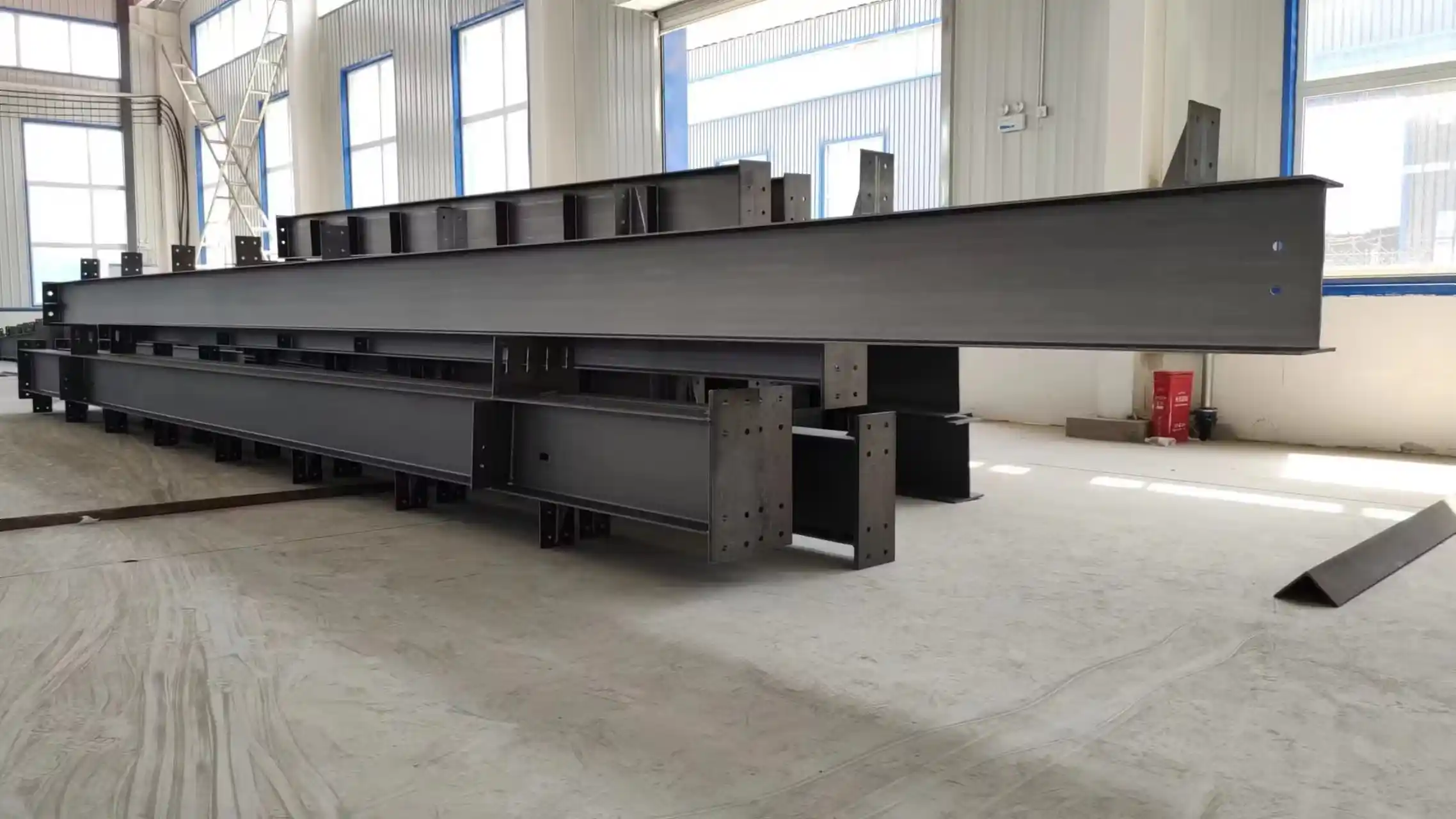
What Is a Steel Column
In building construction, a steel column is a vertical structural element that serves as a building member to transfer loads from the structure and ensure stability through load distribution on its foundation with attached beams, slabs or foundations. Structural steel has a high strength-to-weight ratio and can be very slender, strong members capable of large load while using little material or space.
In modern construction, steel columns are one of the most important elements because they offer houses, office buildings, shopping centers bridges factories and high-rise towers strength durability & design flexibility.
How Load Moves in a Structure
As a simple schematic, loads in any structure follow a predetermined path from the top of the building down to the ground (specific point) and this load path always has to keep continuous and strong at all condition to avoid failure. The load is transmitted from roof and slabs as area loads to beamed, also converting the loads into line loads and handed over to columns where the vertical transfer of forces downwards on foundation is done.
Then the foundation distributes the load safely into the soil so that the earth can support the structure without overloading or damaging it. The entire system is referred to as the load path, and if any part of this path is compromised or broken, it can be dangerous to the structure and may lead to failure when loaded.
Types of Steel Columns
Based on Shape
Steel columns are available in different shapes, and each shape is selected based on the structural need, load condition, and design preference so that the best performance can be achieved with the least material. The most common shapes include I sections, H sections, box sections, and pipe sections, each offering different advantages in terms of strength, stiffness, and stability depending on how the load is applied and how the column is supported.
| Shape Type | Use Case | Key Feature |
| I Section | Building frames | High strength with less weight |
| H Section | Heavy structures | Wide and very stable |
| Box Section | Towers and columns | Closed shape with high stiffness |
| Pipe Section | Poles and masts | Smooth round surface |
I sections and H sections are most commonly used in building construction because they provide a strong and efficient design that balances strength and weight while allowing easy connection with beams and other members.
Based on Load
Steel columns can also be classified based on how the load is applied to them, which affects how they behave under stress and how they must be designed for safety. Axial load acts directly through the center of the column and is considered the most ideal condition because the load travels straight down without causing bending or additional stress.
Eccentric load acts away from the center of the column and creates both compression and bending, which makes the design more complex and requires additional checks to ensure that the column can safely resist both types of forces without failure.
Main Forces on Steel Columns
Steel columns are designed to resist different types of loads that act on a structure throughout its life, and each type of load must be carefully considered during the design process to ensure safety and performance. Dead load is the permanent weight of the structure, including beams, slabs, walls, and finishes, and it remains constant over time without change.
Live load comes from people, furniture, and equipment, and it can vary depending on how the building is used and occupied at different times. Wind load acts horizontally on the structure and can push it sideways, creating bending and stress in the columns that must be resisted through proper design. Seismic load comes from earthquakes and creates sudden and dynamic forces that can cause movement and stress in the structure.
Key Terms in Steel Column Design
Axial load is the force that acts along the length of the column and tries to compress it while pushing it downward toward the foundation. Yield strength is the maximum stress that steel can handle before it starts to deform permanently and lose its original shape.
Cross section area is the total area of the column when cut perpendicular to its length, and it directly affects how much load the column can carry safely. Radius of gyration is a value that shows how the material is distributed around the center of the section, and it plays a very important role in determining the buckling behavior of the column.
Slenderness Ratio
Slenderness ratio is a key factor in steel column design that helps engineers understand how thin or thick a column is in relation to its length, and it is calculated by dividing the effective length of the column by its radius of gyration. A high slenderness ratio means the column is long and thin, which increases the risk of buckling under load.
A low slenderness ratio means the column is short and thick, which makes it stronger and more stable under compressive forces.
Effective Length of Column
The effective length of a column is not always equal to its actual physical length because it depends on how the ends of the column are supported and restrained in the structure, which affects how it behaves under load.
| End Condition | Effective Length Behavior |
| Both ends fixed | Shorter and more stable |
| One end fixed, one free | Longer and less stable |
| Both ends pinned | Equal to actual length |
Columns with shorter effective lengths are less likely to buckle under load because they are more stable and better restrained against movement.
Buckling in Steel Columns
Buckling is one of the most critical failure modes in steel columns because it occurs when a column bends sideways under compressive load instead of failing by crushing, which can happen suddenly and without much warning. Even a strong steel column can fail due to buckling if it is too long or too slender, which is why engineers must carefully check this condition during design.
Flexural buckling occurs when the column bends in one direction, local buckling occurs in thin parts of the section where the material deforms locally, and torsional buckling involves twisting along with bending, making the behavior more complex and requiring detailed analysis.
Basic Design Formula
A simple formula is used to estimate the load capacity of a steel column, where the load capacity is equal to the cross section area multiplied by the yield strength of the steel, giving a basic idea of how much load the column can carry. However, real design involves more detailed calculations, reduction factors, and safety checks to ensure that the column remains safe under all possible conditions.
Design Steps for Steel Column
The design process begins with calculating all loads acting on the column, including dead load, live load, wind load, and any other forces that may affect the structure during its life. Next, the engineer selects a suitable steel grade based on strength requirements and project needs, followed by choosing a trial section from standard tables that provide dimensions and properties.
The axial capacity of the selected section is then checked to ensure it can carry the applied load safely, after which the slenderness ratio is calculated to evaluate the risk of buckling. Buckling resistance is then verified using design formulas and code provisions, and finally, the base plate and connections are designed to safely transfer loads to the foundation without failure.
Steel Grades and Properties
Steel is available in different grades, each with a specific yield strength that determines how much stress it can handle before deforming, and selecting the right grade is important for both safety and cost.
| Grade | Yield Strength (MPa) | Common Use |
| S235 | 235 | Light structures |
| S275 | 275 | Medium load structures |
| S355 | 355 | Heavy load structures |
Higher grade steel can carry more load, but it may also increase the cost, so engineers must balance strength and budget when making a selection.
Base Plate Design
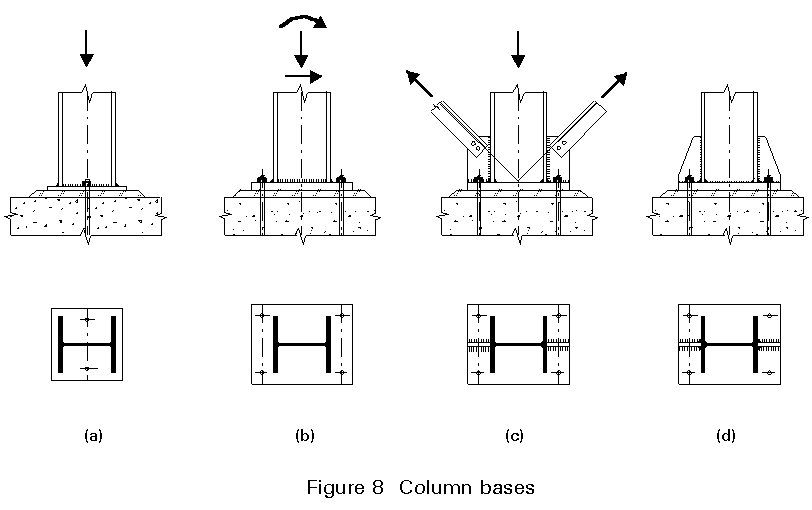
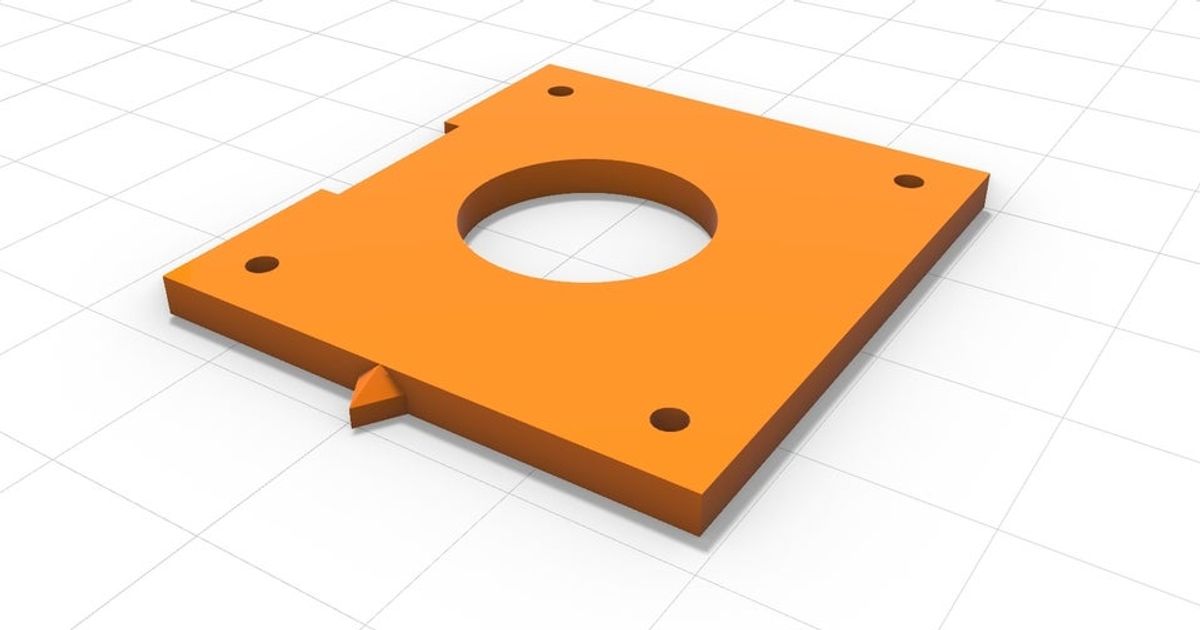
The base plate is used to connect the steel column to the foundation and plays an important role in spreading the load over a larger area so that the soil does not become overstressed or fail under pressure. Anchor bolts are used to fix the column in position and prevent movement, while the thickness and size of the base plate must be carefully designed to ensure that it can safely transfer the load from the column to the foundation without bending or cracking.
Common Failure Modes
Steel columns can fail in several ways if they are not properly designed, and each failure mode must be carefully checked to ensure safety. Crushing occurs in short columns when the applied load exceeds the material strength, while buckling occurs in long columns due to instability and sideways bending under compression.
Local buckling happens in thin parts of the section where the material deforms locally, and connection failure occurs at joints and supports if they are not designed properly to handle the forces.
Design Codes
Engineers follow standard design codes to ensure safety, consistency, and reliability in steel column design, as these codes provide clear rules, formulas, and limits that must be followed in practice. Eurocode is widely used in Europe and many other regions, AISC is commonly used in the United States, and IS 800 is used in India.
These codes help ensure that structures are designed with proper safety margins and performance standards.
Real Example
Consider a steel column carrying a load of 500 kN with a steel grade of S275 and a cross section area of 3000 mm², where the load capacity is calculated by multiplying the area and yield strength to get 825 kN, which is greater than the applied load and therefore safe in terms of axial capacity.
After this check, buckling must also be evaluated using appropriate factors and formulas to ensure that the column remains stable under compressive forces and does not fail due to instability.
Advantages of Steel Columns
Steel columns offer high strength compared to their size, which allows for efficient and economical design in modern construction while reducing the amount of material required. They enable faster construction because they can be prefabricated in factories and assembled on site.
They are also suitable for tall buildings and large spans due to their high load-carrying capacity and flexibility in design.
Disadvantages
If steel isn’t properly protected with methods like coatings or paint, it can corrode over time, causing reduced strength and durability. It can also degrade in high temperatures during fire, calling for supplementary fire defenses.
It is important to also note that depending on market conditions, the price of steel can affect the total budget of a project.
Conclusion
Steel column design is one of the critical aspect in structural engineering that provides stability and strength by transferring the load from the upward surfaces to the footer. When the right section of appropriate slenderness is chosen by following all relevant design codes, engineers can design structures that are strong enough to be safe and reliable for many years.
Knowledge about these principles contributes to creating for more effective yet reliable buildings that will endure for years.