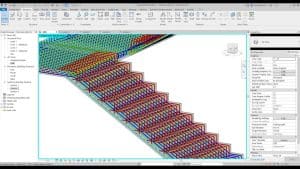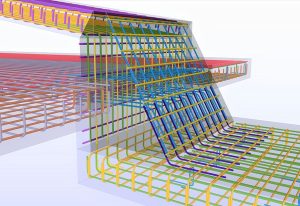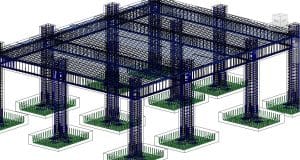
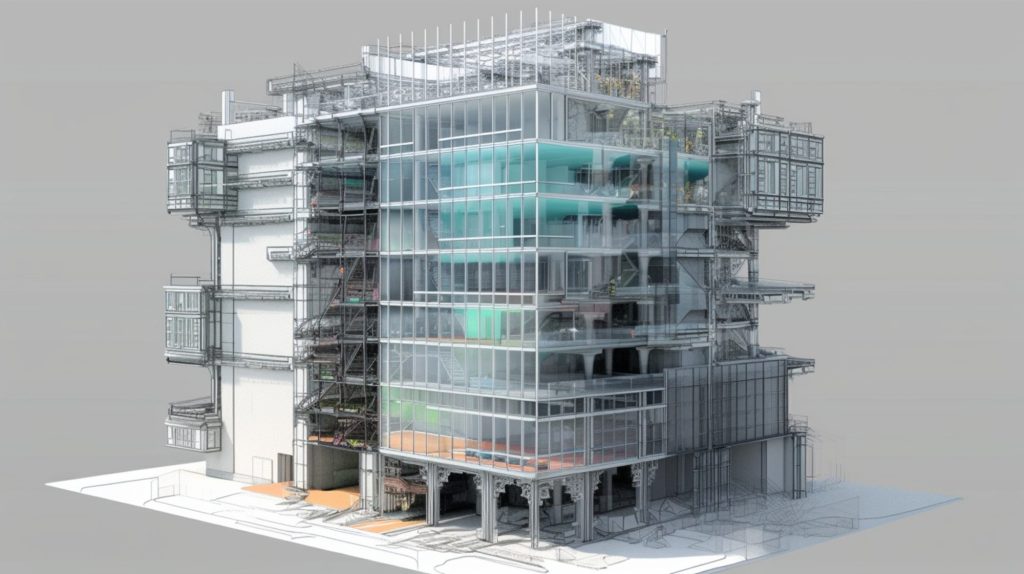
Buildings eat up a crazy amount of energy. Around 34% of the world’s total energy goes into buildings every single year. That number is hard to ignore. Architects and builders are now turning to a digital tool called Building Information Modeling, which most people just call BIM, to tackle this problem head on. BIM lets a design team build a full digital copy of a building on a computer before anything gets built in real life. Inside that digital model, they can test how much energy the building will use, how sunlight moves through each room, what materials do the least damage to the environment, and how much waste will pile up on the job site. This article looks at how BIM architecture tools are changing the way buildings get planned and built, why it matters so much for our planet, and what kinds of real results designers are actually seeing today.
Key Takeaways
- BIM lets architects test a building’s energy use on a computer before a single brick is laid. That leads to smarter and greener design choices right from day one.
- when BIM connects to energy tools like Autodesk Insight 360, energy use can drop by up to 46% in hot climates and 50% in cold ones.
- BIM tracks every material inside a building and shows its carbon footprint, so teams can pick greener options early on.
- Green building programs like LEED and BREEAM become a lot easier to achieve when BIM handles data collection and reporting on its own.
- A BIM model does not stop being useful once the building opens. It turns into a living digital twin that helps manage energy use across the full life of the building.
Why Buildings Need a Smarter Design Process
Most of us walk into a building and never stop to think about how much energy it took to make it, or how much it burns every day just to keep the lights on and the air comfortable. The truth is, buildings are responsible for about 36% of total global energy use and nearly 39% of all energy related carbon dioxide emissions. That is more than cars. More than planes. More than most industries put together.
The old way of designing a building pushed energy questions to the very end of the process. By the time an engineer ran an energy test, the walls were already drawn, the windows were already sized, and changing anything cost a fortune. BIM flips that completely. It pulls energy thinking into the very beginning, when making changes is still easy and cheap.
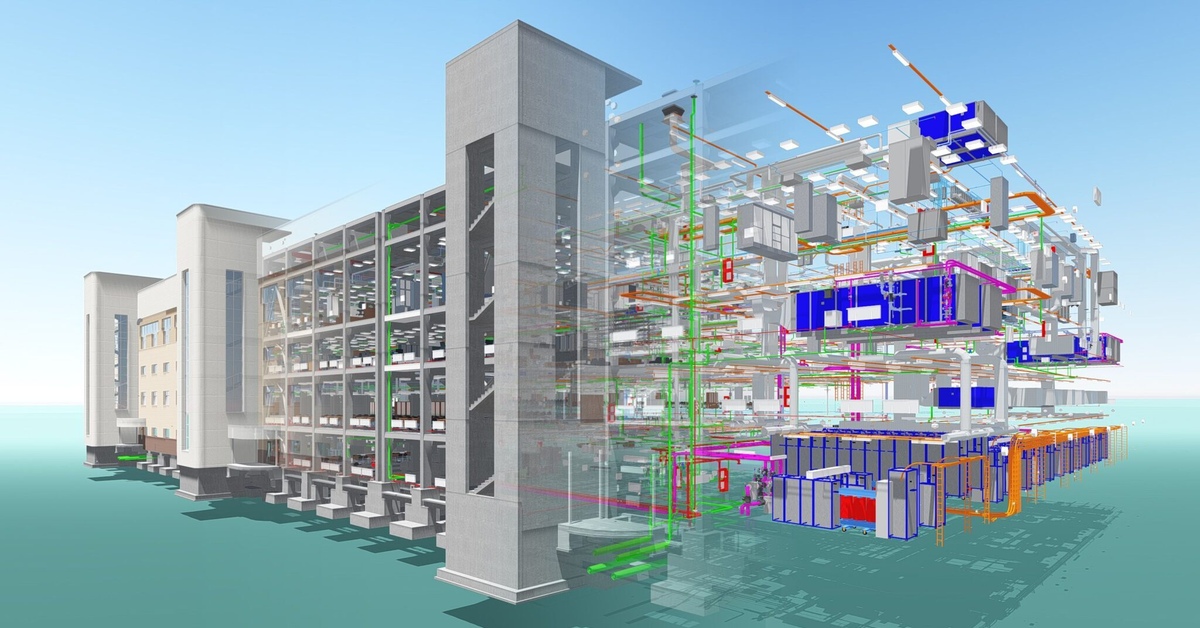
BIM is a digital tool used to create a model of a building’s design and construction process. The model is made up of 3D objects that carry data. Each object can hold information about materials, costs, energy performance, and much more. When every wall, window, beam, and pipe exists as a data rich object inside a computer model, the team can run tests that were simply not possible with old paper drawings.
How BIM Connects to Green Building Design
The link between BIM and green building design is genuinely strong. Both tools chase the same goal. They want buildings that work better for people and cause less harm to the planet. Using BIM for energy work means plugging energy analysis tools directly into the digital model. That allows for real time feedback and informed choices throughout the design process.
This means an architect can change the angle of a roof or tweak the size of a window and instantly see how that affects the building’s heat absorption. They can spin the whole building around on screen to find the best direction for it to face the sun. They can add or strip away shading on the south side and watch the energy numbers shift right in front of them. This kind of fast testing is called design iteration. BIM makes it quick and affordable.
The teams at Strand and Co, along with other design focused firms, know that early stage testing is what separates a good building from a truly great one. The choices made in the first few weeks of a project lock in most of a building’s long term performance. BIM gives designers the solid data they need to make those early calls with confidence.
Energy Modeling: Seeing the Future Before It Is Built
Energy modeling is honestly one of the most exciting things BIM can do. Research has shown that using Revit with Insight 360 can lead to 21% lower energy use intensity and 8.5% reduced lifecycle costs compared to a standard baseline office building. That comes from rapid testing across orientation, building envelope, and HVAC properties all at once.
Those are not small numbers at all. A 21% drop in yearly energy use adds up to a massive amount of money and carbon saved over a building’s life of 50 or 60 years. And it all starts with a smarter model sitting on a screen.
The table below shows what BIM energy modeling can actually test and what each test does for the final design.
| What BIM Can Test | What It Helps With |
|---|---|
| Building orientation (which way it faces) | Reduces heat gain and cuts cooling costs |
| Window size and placement | Improves natural light and reduces electric lighting use |
| Wall and roof insulation levels | Lowers heating and cooling energy needs |
| HVAC system type and size | Right sizes equipment so it is not wasteful |
| Shading devices and overhangs | Keeps rooms cool without blocking views |
| Solar panel placement | Finds the best spots for maximum energy output |
After energy optimizations through BIM tools, energy use dropped by 46% in hot climate areas and 50% in cold climates. HVAC types, wall structure, and operating schedules turned out to be the key factors driving those reductions. These results came from real projects on real buildings. The numbers really do speak for themselves.
Materials, Waste, and Embodied Carbon
When people picture a green building, they usually think about the energy it uses once it is up and running. There is another big piece of the story though. It is the carbon that was already released just to make the building exist. This is called embodied carbon. It covers the pollution caused by making bricks, steel, glass, and concrete, and by trucking all those materials out to the job site.
BIM helps designers take on embodied carbon in two key ways. First, it tracks exactly how much of each material the project needs. When the model is accurate, the team can order just the right amount of steel or concrete without buying extra and tossing it away. Using BIM, designers can use materials more effectively and produce less waste during construction. BIM also helps spot conflicts early and makes sure materials arrive at the site in the right order, cutting waste and boosting productivity at the same time.
Second, BIM links up with life cycle assessment tools. These tools look at every material inside the model and calculate its total environmental cost. That calculation runs from the moment raw resources are pulled from the ground all the way to the day the building eventually comes down. BIM tools with life cycle assessment modules help architects see the environmental impact of materials and products across their entire lifespan. That gives teams real insight into which materials are worth choosing and which ones to avoid.
This table below shows the difference between high impact and lower impact material choices, and how BIM supports the swap.
| Material Category | High Carbon Option | Lower Carbon Alternative | BIM Role |
|---|---|---|---|
| Structure | Conventional steel | Recycled steel or mass timber | Calculates carbon for each option |
| Insulation | Petroleum based foam | Mineral wool or cellulose | Compares thermal and carbon performance |
| Cladding | New aluminum | Reclaimed brick or timber | Tracks material quantities and emissions |
| Flooring | Polished concrete (new) | Reclaimed wood or cork | Flags high embodied carbon choices |
| Windows | Standard double glazed | Triple glazed with low e coating | Runs thermal simulations for each type |
Green Certification Made Easier
Earning a green building certificate like LEED, BREEAM, or Green Star is something clients are asking for more and more. These programs check that a building actually meets real standards for energy use, water use, indoor air quality, and materials. Gathering all the paperwork and data used to take weeks when done by hand. BIM changes the whole picture.
BIM automation can cut out nearly 50 to 80% of the manual calculations needed for BEAM Plus and LEED requirements. It also speeds up the documentation work for certification in a big way. That is a huge saving in both time and cost. It also means fewer errors sneaking into the final submission.
LEED v5, which came out in 2025, is the biggest update to the world’s most widely used green building rating system. Projects pursuing LEED v5 now need to show 40% energy savings compared to a standard baseline. There are extra points on offer for reaching net zero energy or full carbon neutrality. Hitting those targets is far more realistic when BIM has been keeping track of energy performance all the way through the design process, not just at the end.
The connection between BIM and certification goes beyond saving paperwork time. It gives building teams real confidence that the finished building will actually perform the way the drawings promised. BIM closes the gap between what was designed and what ended up being built.
Water, Site, and the Land Around the Building
Sustainable design does not stop at the walls of a building. The land around it carries real weight too. Rainwater needs somewhere useful to go. Trees and plants help cool the air and soak up stormwater. Permeable paths let water sink into the ground instead of flooding the street.
Sustainable building design reaches well past the construction phase. Architects think carefully about the long term operation and maintenance of buildings. The aim is to create structures that adapt and hold up over time. Smart technologies and monitoring systems get built in to optimize energy use, track water consumption, and keep indoor air quality at the right levels.
BIM platforms that connect to civil and landscape design tools let the full project team work inside one shared model. Architects, engineers, and landscape designers can all pull data from the same source. They can test how stormwater flows across the site, find the best spots for green roofs, and plan rainwater collection systems that genuinely work. When all these systems get designed together rather than as separate add ons, the result is a building that truly fits the land it sits on.
Digital Twins: BIM After the Building Opens
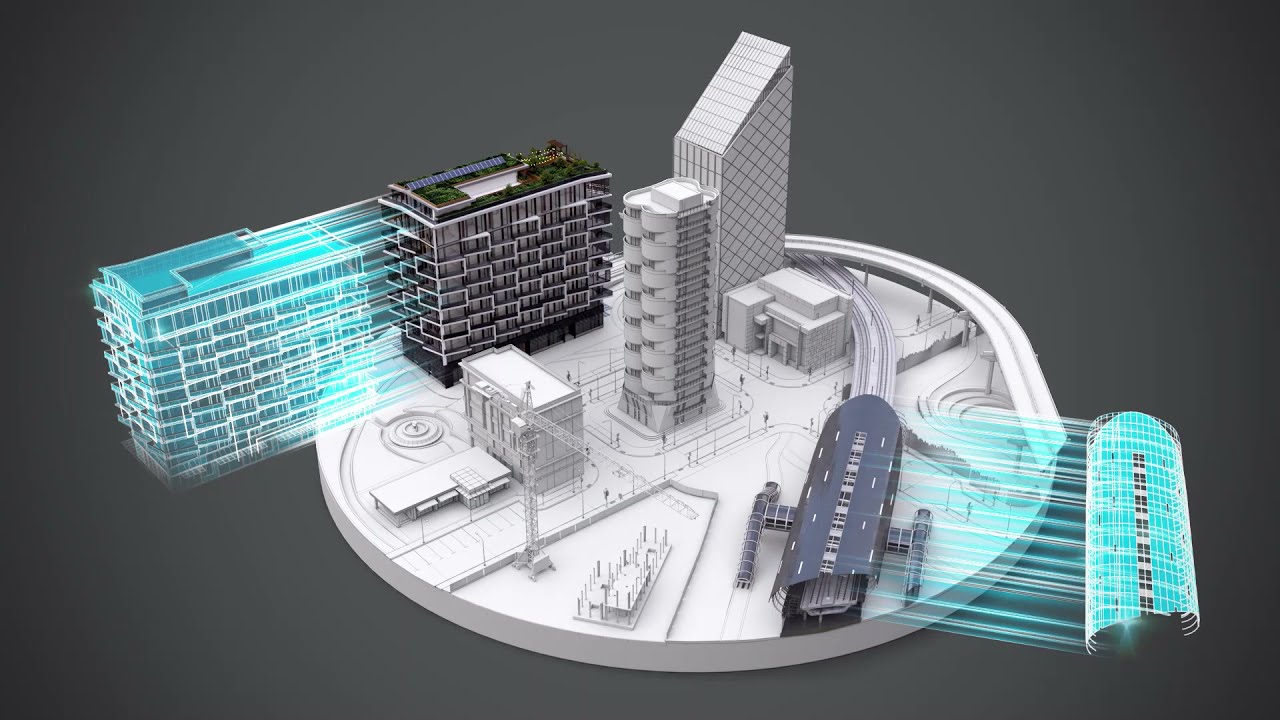
One of the newest and most exciting uses of BIM shows up after the building is finished and people move in. When the BIM model connects to sensors inside the real building, it becomes what is called a digital twin. It is a living digital copy of the actual structure that updates in real time.
Digital twins are virtual versions of physical buildings and processes. More platforms are now combining real time data with lifecycle information and design details to make them genuinely useful. Facility managers can use a digital twin to watch energy use floor by floor, catch rooms being heated when they are completely empty, and adjust systems to save money and cut carbon every single day.
BIM helps with simulations, improves collaboration across teams, and brings sustainability indicators right into the design workflow. That lets everyone involved in a project make choices based on real environmental data. When that capability stretches across a building’s full life, from the first sketch all the way to day to day operations, the total positive impact adds up to something truly significant.
BIM Tools Used in Sustainable Architecture Today
Not all BIM software works the same way. Different tools serve different needs. A good design firm picks its tools based on the types of projects it takes on. The table below gives a clear look at the most widely used BIM tools in green building work right now.
| Tool | Made By | Best Used For | Sustainability Feature |
|---|---|---|---|
| Revit | Autodesk | Full building modeling | Connects to Insight 360 for energy analysis |
| Insight 360 | Autodesk | Energy performance testing | Runs 24 design parameters for energy outcomes |
| ArchiCAD | Graphisoft | Architectural design | Strong IFC export and energy evaluation |
| IES Virtual Environment | IES | Deep performance simulation | Detailed thermal, airflow, and lighting analysis |
| Tally | KT Innovations | Embodied carbon | Life cycle assessment inside Revit |
| Ladybug Tools | Open source | Climate based design | Solar, wind, and comfort analysis in Grasshopper |
| One Click LCA | One Click LCA | Carbon reporting | Connects to BIM models for fast LCA |
The design professionals at Strand and Co work across several of these platforms depending on the scale and sustainability goals of each project. The right mix of tools makes a major difference in the depth of analysis a team can deliver to a client.
Challenges That Still Need to Be Solved
BIM is powerful. It is not perfect though. Smaller firms often find the cost of software and training hard to handle. Getting different software platforms to share data cleanly, which the industry calls interoperability, is still a work in progress. Open standards like IFC are helping move things in the right direction.
Software compatibility issues and high initial setup costs are the most commonly reported drawbacks of adopting BIM. These are real barriers, especially for smaller practices working in smaller markets. The direction of travel is clear though. As software becomes more affordable and training becomes more widely available, BIM adoption will keep climbing.
The other challenge is trusting the numbers. A BIM energy model is only as good as the information that goes into it. AI tools are already being used inside BIM platforms to analyze project data, suggest design improvements, and predict potential delays before they happen. That makes project management more proactive. As artificial intelligence gets more deeply woven into BIM, the gap between what models predict and what buildings actually deliver will keep getting smaller.
What the Numbers Tell Us
The case for BIM as a sustainability tool is not just theoretical. Real projects around the world are showing real outcomes. The table below captures some of the measured results from BIM driven sustainable design work.
| Project Type | BIM Tool Used | Outcome Achieved |
|---|---|---|
| Office building (hot and cold climate) | Revit and Insight 360 | 46 to 50% energy use reduction |
| Existing building renovation | EnergyPlus and BIM | 68% heating energy reduction and 50% CO2 cut |
| Office building baseline comparison | Revit Insight 360 | 21% lower energy use intensity |
| Green certification process | BIM automation | 50 to 80% reduction in manual calculation work |
| Green buildings vs standard buildings | Multiple BIM platforms | 30 to 40% less energy use overall |
Green buildings that use BIM led design consistently achieve 30 to 40% less energy consumption compared to conventional buildings. These are not projections or guesses. They are real results from buildings already standing and running.
The Road Ahead for Sustainable BIM Design
The future of BIM and sustainable design is moving fast. The architecture world in 2025 is embracing biophilic design, smart building technology, and net zero energy principles. It is leading the charge toward a genuinely greener built environment. Biophilic design means bringing nature into buildings. Think natural light, living plants, raw materials, and open views to the outside. It is not just about looking good. It actually makes people healthier and more productive. BIM makes it possible to test these ideas before anything is built, so what looks good on screen actually delivers in real life.
Sustainability is now built directly into BIM platforms to reduce carbon emissions and energy consumption. Stronger AI integration is already adding generative design tools and predictive analytics to the mix. In the next few years, AI inside BIM will generate hundreds of design options automatically. It will test each one for energy and carbon performance. Then it will hand the best options back to the architect for a final human decision. The computer handles the heavy analysis. The human brings the creative vision.
For clients, developers, and building owners, this is genuinely exciting news. Greener buildings are better for the planet. One LEED Platinum project achieved a 60% energy reduction alongside a 25% jump in rental rates because of improved building performance. Green design pays off in real money on top of real carbon savings.
Closing Thoughts
BIM is not a magic fix for everything. It is a tool, a very powerful one, that puts better information into the hands of the people who design and build the places we live, work, and spend our time. When architects use it well, the results are buildings that burn less energy, waste fewer materials, cost less to run, and sit more lightly on the land around them.
The buildings being designed today will still be standing in 2080. The carbon they burn, the water they use, and the comfort they provide will shape the daily lives of millions of people. Getting the design right, using every tool available including BIM, is one of the most important things the architecture and construction industry can do right now.
Want to know how BIM led sustainable design can work for your next project? Visit Strand and Co to learn more.