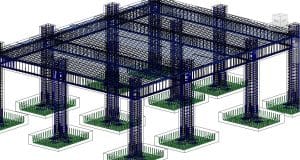
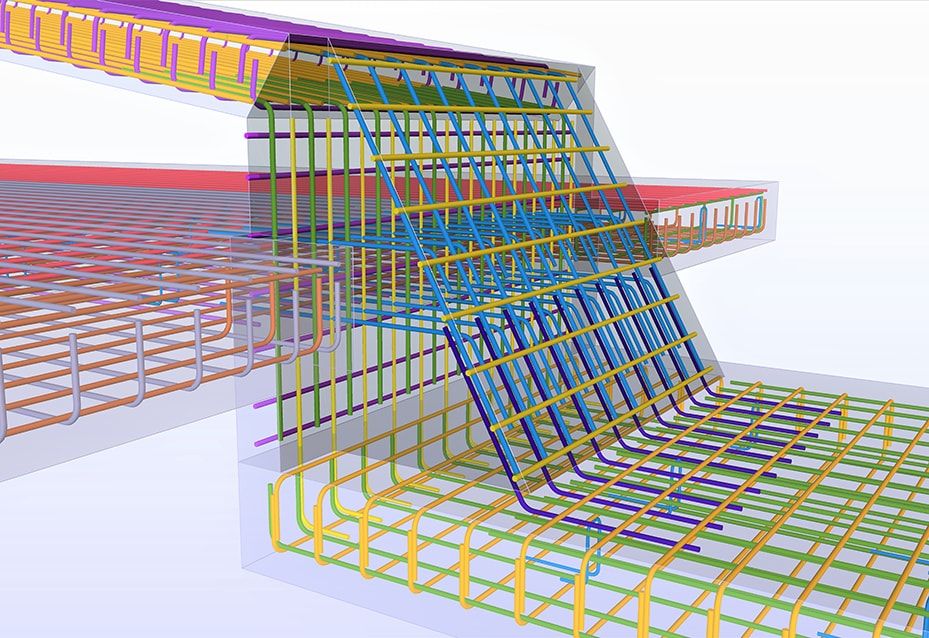
Rebar detailing costs depend on the work required to turn structural design information into coordinated placing drawings, bar lists, and any agreed digital deliverables. To budget accurately, request a project-specific quote that defines the pricing basis, included work, revision allowance, and conditions that can change the fee.
For U.S. contractors and fabricators, a useful comparison starts with a consistent scope. A per-ton proposal for 2D drawings cannot be compared directly with a fixed fee that also includes a reinforcement model, coordination meetings, and fabrication data. This guide explains how to compare those proposals and control the cost as the project develops.
What Does a Rebar Detailing Fee Cover?
The written proposal should identify the concrete elements and deliverables included. Depending on the assignment, these may include:
- Rebar shop or placing drawings, sections, and enlarged details.
- Bar lists or bar bending schedules with agreed marks, sizes, quantities, lengths, and shapes.
- Documentation of the design requirements for laps, anchorage, cover, and placement.
- Reinforcement models and specified model exports.
- Coordination of openings, embeds, joints, and construction sequences.
- Drawing registers, submittals, revision records, and responses to review comments.
- Internal checking and agreed support during review or fabrication.
When comparing providers, review the specific rebar detailing services rather than comparing only the quoted price. The scope should make clear which drawings, schedules, models, and coordination tasks are included.
Detailing and structural design should have separate, explicit scopes. ACI’s guidance describes the design information needed for detailers to prepare fabrication details and placing drawings; the detailer should not be expected to invent missing design requirements within a drafting fee.
Confirm whether estimating, structural engineering, material supply, fabrication, delivery, installation, site visits, and temporary-condition design are excluded or separately priced. The phrase “complete rebar package” is not enough to establish what you are buying.
How Can Rebar Detailing Be Priced?
The proposal may use a quantity-based rate, hourly billing, a fee per drawing, or a fixed project amount. Choose the basis that can be clearly defined and tracked for the information available.
| Pricing Basis | When It May Be Useful | What the Proposal Should Define |
|---|---|---|
| Per ton | The reinforcement quantity and package scope can be established | Tonnage unit, quantity source, billable inclusions, minimum fee, and quantity adjustments |
| Hourly | Scope is evolving or the assignment involves ongoing changes and support | Rates by role, estimated hours, time reports, approval threshold, and any spending cap |
| Per drawing | Sheet requirements and package boundaries are clearly defined | Sheet size, drawing types, detail density, schedules, and treatment of revised or additional sheets |
| Fixed project fee | Inputs and deliverables are sufficiently defined to price the complete assignment | Baseline drawing set, assumptions, exclusions, milestones, revision allowance, and change procedure |
If a provider proposes another basis, such as concrete volume, ask how it relates to the actual detailing scope. An estimate based on one unit should not be converted into another unit without checking the underlying assumptions.
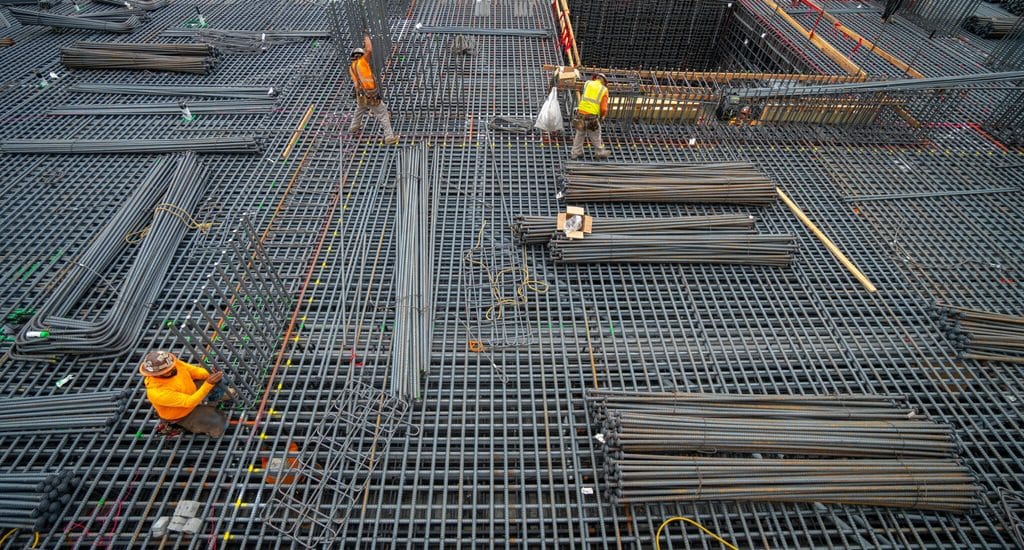
What Quantity Is Billable Under a Per-Ton Quote?
First confirm whether the quote uses U.S. short tons or metric tonnes. Then ask which quantity establishes the fee: an estimating takeoff, the detailed bar lists, an agreed contract quantity, or another documented measure.
Clarify how laps, support reinforcement, waste allowances, excluded structures, and cancelled work are treated. Do not assume the amount of steel purchased is identical to the quantity used to calculate the detailing fee.
The proposal should also explain whether the total is reconciled when quantities change, when reconciliation occurs, and who verifies the quantity. A low unit rate offers little certainty if the billable quantity remains undefined.
Does a Small Project Have a Minimum Fee?
Ask whether a minimum project charge or setup fee applies and whether it is additional to, or credited against, quantity-based charges. Drawing review, setup, coordination, and checking still require effort on a small package.
Also confirm whether releasing the same assignment in several small phases triggers separate minimum charges. This is a provider-specific commercial term, not a fee that should be assumed for every project.
What Changes the Amount of Detailing Work?
Geometry and Reinforcement Complexity
Tonnage alone does not describe the assignment. Repeated members may allow details to be reused, while congested joints, transfer structures, curved elements, and irregular interfaces may require more individual sections and coordination.
A scope review should identify the difficult areas before pricing. Ask how the provider has allowed for them rather than assuming two projects with the same steel quantity will require the same hours.
Completeness of the Source Information
Missing dimensions, conflicting notes, incomplete addenda, and unresolved joints create work that is difficult to estimate. Identify the exact drawings and revisions used for the quotation and list unresolved inputs.
For an early-stage project, request a clearly qualified budget estimate. Ask what information is needed to turn it into a firm proposal and whether a later design issue will require repricing.
Drawing and Model Deliverables
Define whether you need PDFs, editable drawing files, bar lists, a coordination model, fabrication data, or a combination.
If your project requires traditional drawing production, clarify whether rebar 2D detailing services are included and exactly which drawings, sections, schedules, and revisions are covered.
For models, specify the intended use, required information, level of development, software/version, exchange formats, and handover requirements.
Ask whether model updates, clash reviews, native files, and fabrication exports are included. An exported file and an editable source model are different deliverables, and the quotation should identify which you will receive.
Schedule and Coordination
State the first required submission, later package dates, review periods, and planned releases. Ask whether expedited work, after-hours meetings, or restarting a paused assignment changes the fee.
For projects involving multiple disciplines, clarify the expected BIM coordination activities, including meeting frequency, RFI preparation, comment consolidation, clash review, and model updates.
Define coordination responsibilities as activities: meeting frequency, RFI preparation, comment consolidation, and model updates. “Coordination included” should not leave either party guessing about the expected workload.
Project Standards and Checking
Provide the applicable project specifications, adopted code editions, client drawing conventions, and fabricator requirements. Confirm the checking process and whether the provider has included the time needed to follow those requirements.
Placing drawings communicate where reinforcement is installed, so checking their consistency with bar lists and approved design information has a practical purpose beyond presentation.
For companies that require multiple types of structural detailing, it can also be useful to review related structural steel detailing services when assessing the provider’s overall capabilities and coordination experience.
Are Revisions Included in the Price?
Request a written distinction between correcting a detailing error, addressing comments within the agreed scope, incorporating a design change, and adding new work. Ask how each category will be identified and handled commercially.
If the proposal includes a stated number of review cycles, define a cycle. For example, confirm whether one cycle means one consolidated comment set for a package or whether comments arriving separately are handled differently. Do not assume “revisions included” means unlimited redesign or support for an indefinite period.
For changes that may affect the fee, agree that the provider will identify:
- The instruction or revised document that caused the change.
- The affected drawings, model areas, schedules, and deliverables.
- The additional work and its proposed pricing basis.
- The effect on agreed dates.
- The person authorized to approve proceeding.
These are points to settle in the proposal, not universal rules for allocating liability. The relevant contract governs the parties’ obligations.
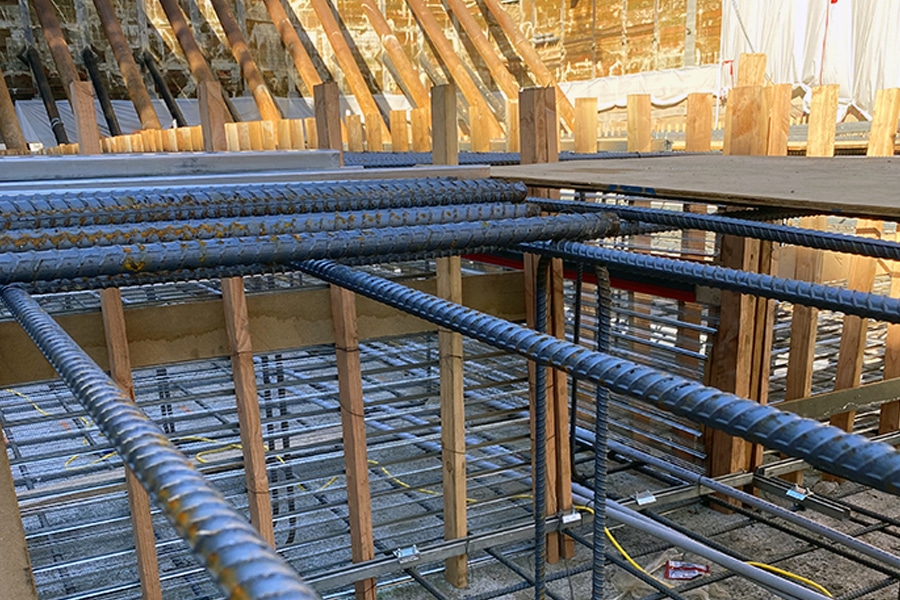
How Do You Compare Quotes on the Same Basis?
Give each provider the same drawing register, scope description, deliverable requirements, and target dates. Ask them to identify exceptions explicitly. Then compare the complete cost of the required assignment, including quoted add-ons.
When evaluating a provider, reviewing its rebar detailing projects can also help you understand the types of structures and project requirements it has worked with. Project examples should be considered alongside the actual scope and deliverables in the proposal.
| Comparison Item | Confirmation to Obtain From Each Provider |
|---|---|
| Scope | The same structures, phases, and exclusions |
| Price and units | Currency, pricing model, quantity definition, and applicable taxes or charges |
| Minimums | Setup charges, minimum fee, and treatment of small releases |
| Deliverables | Drawings, schedules, model requirements, native files, and exports |
| Quality review | Checking responsibilities and correction procedure |
| Revisions | Included review cycles and treatment of design changes |
| Coordination | Meetings, RFIs, interdisciplinary updates, and support period |
| Timing | Input assumptions, submission dates, and any expedited-work charge |
| Commercial terms | Quote validity, payment milestones, pause/restart conditions, and approval of extras |
For illustration, one provider might exclude an editable model and ongoing meetings while another includes both. Obtain a price for the missing required work before comparing totals. This example describes a comparison method, not actual vendor pricing.
Do not infer quality or scope from a provider’s location alone. Ask who manages the assignment, who checks the work, how questions are handled, and whether relevant project examples can be reviewed.
How Can You Build a Budget Without a Published Price Range?
Use the proposed pricing basis to calculate the base fee, then identify separately priced deliverables and unresolved allowances.
- For a quantity-based proposal, apply the quoted rate to the agreed billable quantity and follow the stated minimum-fee rules.
- For hourly work, use estimated hours by role and the corresponding rates. Ask for regular reporting of hours used and the estimated effort remaining.
- For a fixed fee, record the deliverables and assumptions covered by that amount, together with any approved additions.
When comparing a full range of BIM and detailing services, make sure you separate required deliverables from optional services. This helps prevent a lower initial quote from appearing less expensive simply because important deliverables were excluded.
Do not add a setup charge twice if the provider says it is already included. Keep allowances for unresolved scope separate from approved fees, so the project team can see which parts of the budget are uncertain.
For a developing scope, consider asking for an initial review or defined first package to be priced separately. Confirm what that stage will deliver and how the remaining work will be estimated; do not assume it locks in a final project price.
What Should You Send With a Quote Request?
A useful request includes:
- Current structural drawings, specifications, addenda, and a revision register.
- Relevant architectural and other coordination information.
- Project type, location, included structures, and exclusions.
- Approximate reinforcement quantity and the source of that estimate, if available.
- Required drawings, bar lists, models, editable files, and fabrication exports.
- Sample drawing conventions or client/fabricator standards.
- Construction sequence, submission milestones, and target delivery dates for the detailing work.
- Expected review cycles, coordination activities, and support needs.
- Known missing information or areas likely to change.
If the full drawing set is unavailable, identify the material as preliminary. A representative sample can support an initial discussion, but it should not be presented as a complete basis for a firm project fee.
How Can You Control Costs After Award?
Keep the priced scope and drawing baseline accessible to both teams. Consolidate review comments where practical, resolve missing inputs through the agreed route, and obtain the effect on fee and schedule before authorizing additional work.
Track progress by package as well as expenditure. A budget report is more useful when it shows what has been completed, what remains, and which unresolved decisions could create further work.
Clear drawings and coordinated bar information can help prevent avoidable fabrication and placement errors. They do not guarantee a particular saving. Evaluate value through the actual scope, checking process, communication, and delivery performance rather than an unsupported return-on-investment percentage.
Frequently Asked Questions
Can I Get a Quote Without Knowing the Rebar Tonnage?
You can request a drawing-based scope review and ask what pricing approach is possible with the information available. Confirm whether a takeoff is required, who will prepare it, and whether that service is included. Any preliminary quantity should be identified as an estimate.
Is Detailing Included in the Price of Reinforcing Steel?
Check the fabricator’s or supplier’s proposal. Some arrangements may include detailing within a wider supply package, while others price it separately. Confirm the actual scope before purchasing a second service that overlaps with it.
Does a Fixed Fee Mean the Final Price Cannot Change?
A fixed fee applies to the scope and conditions stated in the proposal. Ask how changes to structures, inputs, deliverables, sequencing, or review requirements will be evaluated and approved. The label alone does not resolve those questions.
Will a 3D Model Always Cost More Than 2D Drawings?
Do not assume a standard premium. Ask for a quotation against the specific model and drawing deliverables you need. The provider’s workflow, supplied information, coordination obligations, and required outputs all affect the work being priced.
Does Paying More Guarantee Better Detailing?
No. Compare documented scope, relevant experience, checking responsibilities, communication, and deliverable quality. A higher fee may include more services, but price alone does not establish that the provider will perform better.
Request a Scope-Based Proposal
To discuss your project with Strand Consulting Corporation, send the current structural drawings, specifications, estimated tonnage if available, required deliverables, and target schedule.
You can also review the company’s rebar detailing team and project experience when evaluating the scope and capabilities relevant to your assignment.
Request a proposal that records the pricing basis, assumptions, inclusions, exclusions, review allowance, and delivery milestones.
If you are ready to discuss your project requirements, request a quote with the drawings, specifications, estimated tonnage, required deliverables, and target schedule.
That written scope gives the project team a useful basis for comparing offers and managing changes throughout the assignment.