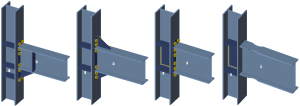
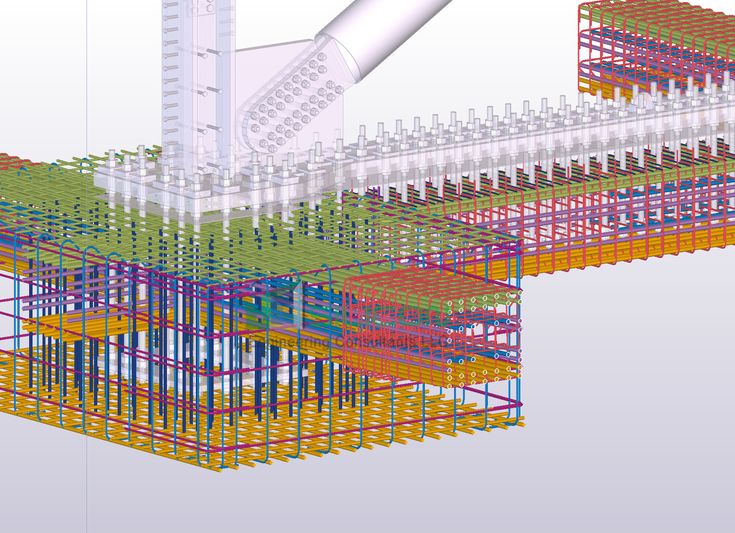
In reinforced concrete construction, accuracy is paramount. Rebar detailing is a critical step that ensures the structural integrity of concrete elements, but even minor errors can cause major delays on site. Field fixes, modifications made during construction due to clashes or errors, are costly, time-consuming, and can compromise project timelines and budgets.
With the rise of Building Information Modeling (BIM) and advanced digital tools, clash detection in rebar detailing has become an essential practice for structural engineers, contractors, and fabricators. This process identifies conflicts between reinforcement bars, embedded items, and other building systems before construction begins, significantly reducing the risk of errors and ensuring a smooth workflow from design to construction.
Understanding Rebar Clashes
A rebar clash occurs when two or more elements occupy the same space or interfere with each other’s placement. Common clashes include:
- Overlapping or intersecting rebar bars beyond permissible tolerances
- Conflicts between rebar and embedded mechanical, electrical, or plumbing (MEP) components
- Reinforcement bars interfering with formwork or structural connections
Unresolved clashes often lead to on-site modifications, which can delay construction, increase labor costs, and sometimes compromise structural performance. By detecting clashes early, teams can address conflicts in the digital model, preventing costly field fixes.
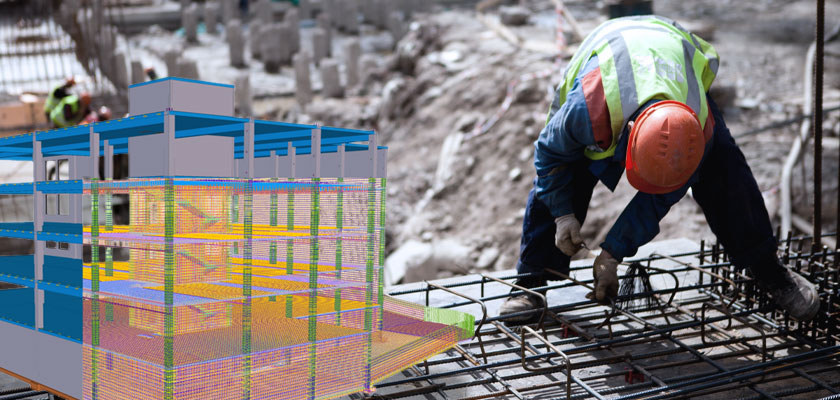
The Importance of Clash Detection in Rebar Detailing
Clash detection is a proactive approach that identifies conflicts in rebar layouts before construction begins. By detecting issues early, teams can maintain accuracy, reduce errors, and avoid costly on-site adjustments. Implementing clash detection in rebar detailing ensures that reinforcement placement aligns with design intent and structural requirements.
- Reducing Field Errors: Detecting clashes during the design phase eliminates surprises during construction.
- Enhancing Safety: Properly coordinated rebar placement minimizes risks associated with structural failures.
- Improving Project Efficiency: Early conflict resolution accelerates construction schedules and reduces delays.
- Cost Savings: Avoiding on-site fixes reduces labor, material waste, and potential rework costs.
With rebar detailing becoming increasingly complex in high-rise and industrial projects, clash detection is no longer optional, it is a standard practice in modern construction workflows.
Tools and Techniques for Clash Detection
Modern clash detection relies on advanced software and BIM integration. Tools like Revit, Tekla Structures, and Navisworks enable 3D modeling, automated clash scanning, and collaborative reviews. Combining these technologies with manual verification ensures that rebar layouts are precise, constructible, and free of conflicts.
3D Modeling and BIM Integration
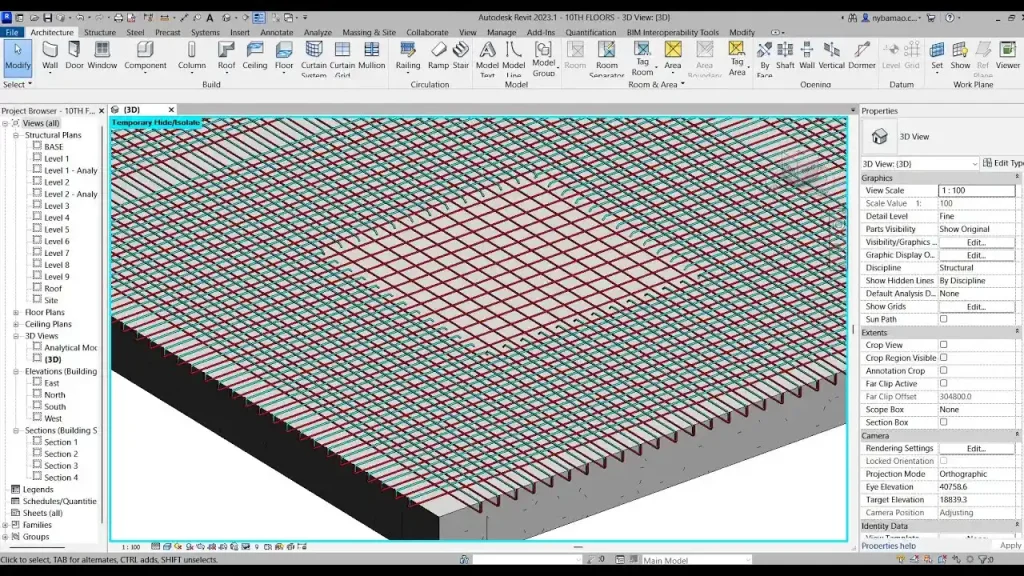
Modern clash detection relies heavily on BIM tools, such as Autodesk Revit, Tekla Structures, and Navisworks. These platforms allow engineers to model rebar in three dimensions, overlaying it with architectural, structural, and MEP elements to identify conflicts.
Automated Clash Detection
BIM software can run automated clash detection routines that scan the entire model for spatial conflicts. These tools flag potential clashes and generate reports for review, enabling engineers to resolve issues before fabrication or site installation.
Manual Checking and Verification
While automated tools are highly effective, manual verification remains important for complex areas or critical connections. Experienced engineers can spot subtle issues, such as bar bending tolerances or embedment conflicts, that software may not fully recognize.
Best Practices in Rebar Clash Detection
Adopting structured workflows and clear standards is critical for effective clash detection. Best practices include early model coordination, iterative reviews, standardized clash rules, and collaborative problem-solving. By following these methods, project teams can minimize errors, streamline construction, and maintain high-quality reinforcement detailing.
- Early Model Coordination: Begin clash detection as soon as the rebar design is integrated with architectural and MEP models to catch conflicts early.
- Regular Iteration: Perform clash detection at multiple stages of detailing to ensure that updates or changes do not introduce new conflicts.
- Use Standardized Clash Rules: Define acceptable tolerances for bar spacing, cover, and overlaps to reduce false positives.
- Collaborative Review: Include structural engineers, fabricators, and contractors in clash review meetings to verify solutions.
- Document Resolutions: Track all identified clashes and resolutions to maintain a clear record for construction and quality assurance.
By following these best practices, teams can significantly reduce on-site issues and ensure that rebar is fabricated and installed correctly.
The Future of Rebar Clash Detection
The landscape of rebar detailing and clash detection is evolving rapidly, driven by advances in digital construction, artificial intelligence, and automated design workflows. In 2026 and beyond, the traditional approach of manual checking combined with basic software will increasingly give way to smarter, predictive, and fully integrated solutions that enhance accuracy, reduce costs, and minimize on-site rework.
AI-Powered Clash Prediction
Artificial intelligence and machine learning are poised to transform clash detection from a reactive process to a proactive predictive system. AI algorithms can analyze design patterns, historical clashes, and project-specific constraints to identify potential conflicts before they even occur in the model. This capability allows engineers to optimize rebar layouts early in the design phase, saving time and minimizing costly field fixes.
Integration with Digital Fabrication
The future of clash detection will closely link with digital fabrication and prefabrication processes. As rebar is increasingly manufactured off-site using CNC bending machines and robotic assembly, clash detection tools will feed directly into fabrication instructions. This integration ensures that every rebar component is correctly shaped and positioned, reducing the likelihood of on-site adjustments and improving overall constructability.
Real-Time Collaboration and Cloud-Based Workflows
Cloud platforms will enable real-time collaboration between structural engineers, contractors, and BIM modelers across geographies. Multiple teams can work simultaneously on a single model, perform clash detection instantly, and implement solutions collaboratively. This connectivity enhances project speed, accuracy, and accountability, making geographic distance irrelevant in managing complex projects.
Automation and Standardization
Automation will play a key role in streamlining clash detection workflows. Repetitive tasks such as scanning for spacing violations, cover requirements, and overlaps can be automated, allowing engineers to focus on critical design decisions and optimization. In addition, industry-wide standardization of clash detection rules will create more consistent workflows, reducing errors caused by subjective interpretations. For a deeper look at how reinforcement accuracy supports overall structural performance, explore this guide on rebar detailing.
Integration with Emerging Technologies
Emerging technologies such as digital twins, augmented reality (AR), and virtual reality (VR) will further revolutionize clash detection. AR and VR can visualize potential conflicts on-site or in immersive simulations, allowing teams to understand spatial relationships and constructability challenges more intuitively. Digital twins provide a dynamic, real-time representation of the structure, enabling continuous clash monitoring throughout construction.
Sustainability and Lifecycle Benefits
Advanced clash detection tools also support more sustainable construction practices. By minimizing material waste from rework and improving reinforcement layouts, projects achieve better resource efficiency. Additionally, accurate modeling enhances long-term lifecycle planning, making future maintenance and renovations easier without affecting existing structures. For foundational insights that strengthen project planning, explore this guide on concrete footings.
Challenges in Clash Detection
Despite its advantages, clash detection can be challenging due to model complexity, data coordination issues, and the need for skilled personnel. Recognizing these challenges is critical for firms to implement effective workflows, leverage technology appropriately, and ensure accurate rebar detailing.
Despite its advantages, clash detection in rebar detailing can present challenges:
- Model Complexity: Large or intricate projects generate numerous clashes, which can overwhelm teams if not managed properly.
- Data Coordination: Integrating rebar models with architectural, structural, and MEP systems requires clean and consistent data standards.
- Skill Requirements: Effective clash detection demands expertise in BIM software and an understanding of structural design principles.
Addressing these challenges involves combining automated tools with experienced engineers and implementing robust project workflows.
Conclusion
Clash detection in rebar detailing is a critical component of modern construction that directly impacts cost, schedule, and structural quality. By leveraging BIM, automated tools, and collaborative workflows, firms can identify and resolve conflicts before fabrication and installation, avoiding expensive field fixes.
In 2026, as projects grow more complex and precision becomes non-negotiable, integrating clash detection into every stage of rebar detailing is not just best practice, it’s essential. Firms that adopt these strategies gain a competitive edge, delivering projects efficiently, safely, and to the highest standards.