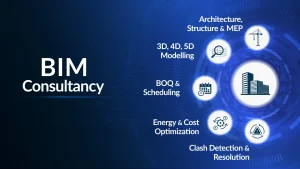
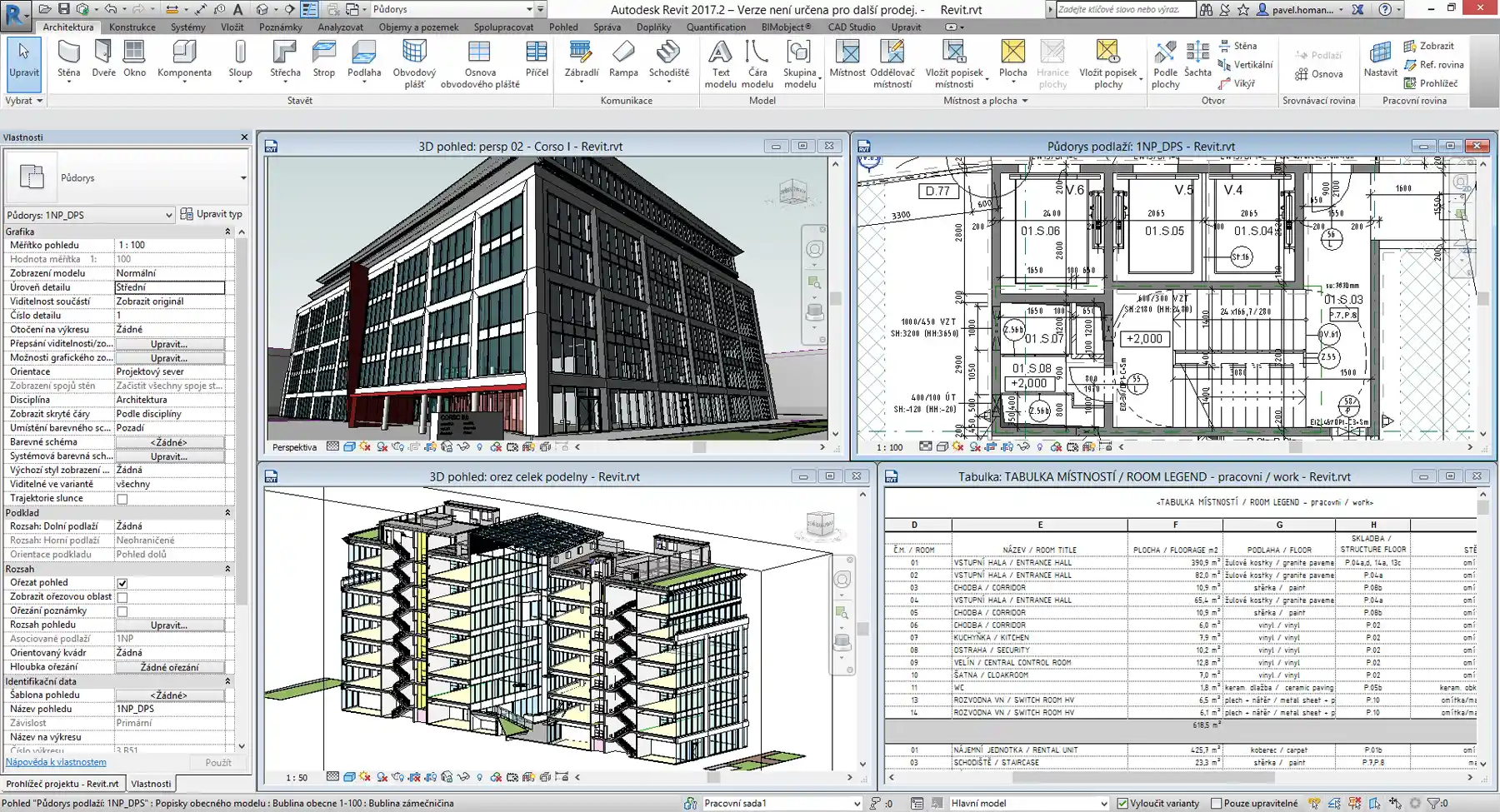
With the constant development of the architecture, engineering, and construction (AEC) industry, Building Information Modeling (BIM) has come in as a key to accuracy, collaboration, and efficiency of the design. Autodesk Revit is the most popular of all BIM systems used by architects to get the accuracy, simplify the processes, and minimize the mistakes in complicated constructions.
In 2026, the requirements of high-precision architectural design have increased due to the higher expectations of the clients, shorter project schedules, and the incorporation of digital twin technology, artificially intelligent design validation, and more sophisticated parametric modeling. This blog addresses the issue of how Revit BIM allows architects to design precisely, streamline the work process, and fulfill the needs of modern construction.
Revit BIM and Its Role in Architecture
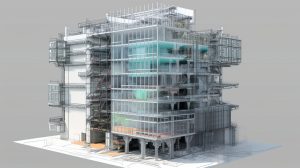
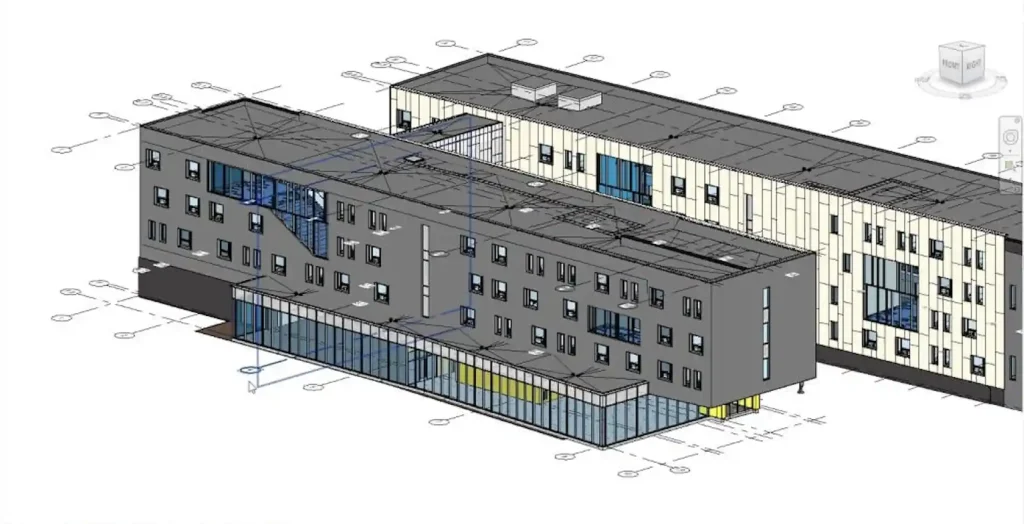
Revit is a 3D BIM program designed to enable architects and designers to develop intelligent building models, which are parametric. In contrast to the traditional CAD, which is aimed at lines and 2D drawings, Revit links all the components of the building, walls, floors, roofs, windows, doors, and MEP systems together to a single model. Any alteration on a single element automatically modifies all other associated items, making plans, sections, elevations, and schedules consistent and accurate.
BIM goes past the mere modeling to include data, material specification, and performance measures, allowing architects to understand the lifecycle of the building, and this applies both during the design of the building up to its construction and upkeep.
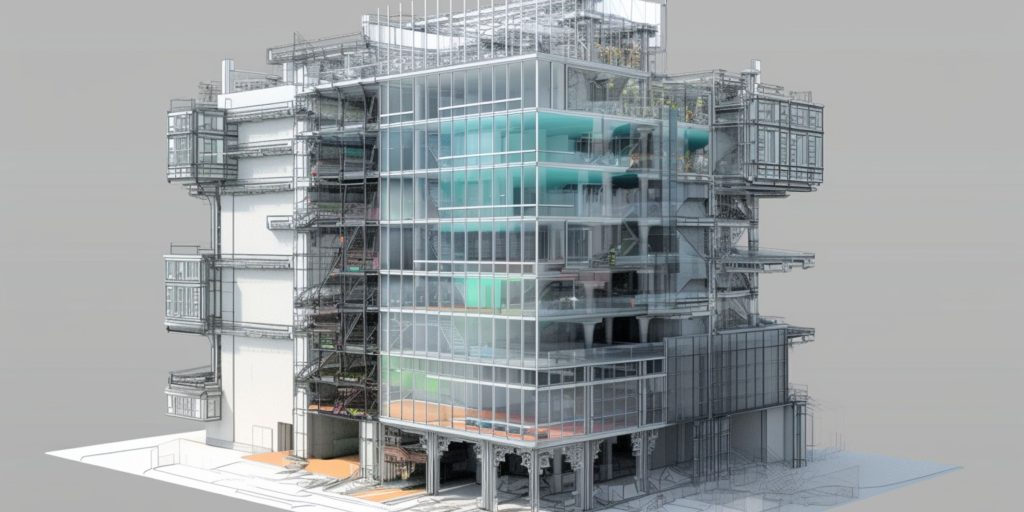
The Importance of Design Accuracy
Accurate architectural design is critical for:
- Reducing errors and rework during construction
- Minimizing costly clashes between disciplines
- Ensuring compliance with building codes and standards
- Enhancing client confidence with precise visualizations and simulations
Revit’s BIM environment facilitates this level of precision by providing real-time error detection, clash analysis, and parametric control.
Key Features of Revit BIM That Enhance Design Accuracy
Revit BIM has a set of functionalities that reduce errors and enhance design consistency. Parametric modeling, automated documentation, clash detection, and built-in analysis are just some of the features that make Revit ensure that all the elements are intended according to the wishes of the architect. This is important because the tools must be understood to ensure that the best is achieved in regard to enhancing accuracy and preventing expensive errors when construction occurs.
Parametric Modeling
The parametric features of Revit allow an architect to establish a relationship among elements. An example is that an automated adjustment of a wall height changes related windows, doors and roofs. This helps to minimize inconsistencies and helps to have the model demonstrate design intent across the project lifecycle.
Coordinated Documentation
The classical CAD drawings are likely to experience inconsistency of plans, sections, and elevations. Revit provides all the documentation based on the same model, eliminating any conflict and the outdated drawings. Schedules, legends, and material take-offs are updated automatically and are accurate and time-saving.
Clash Detection and Coordination
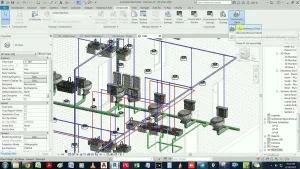
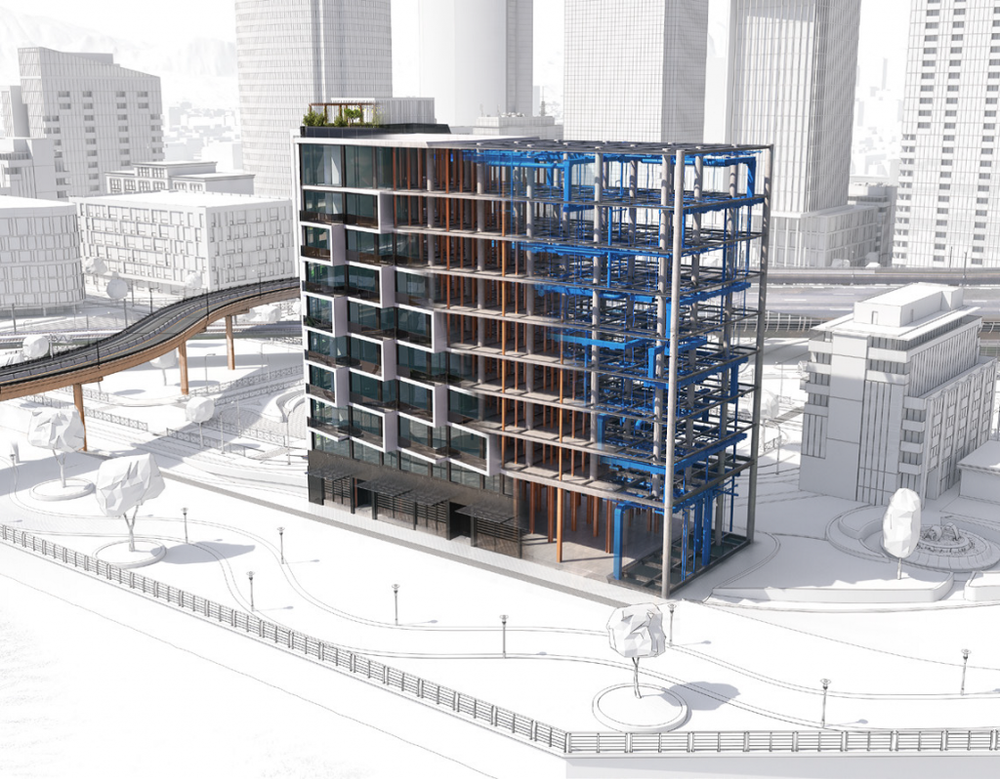
Revit is an interdisciplinary tool that enables architects, structural engineers, and MEP designers to identify and fix clashes during the initial stages. The clash detection reduces errors made in construction, enhances collaboration, and the design is constructible.
Integrated Analysis Tools
Revit has in-built energy analysis, structural validation, and performance simulation tools that enable architects to determine the effect of design choices on the efficiency, safety, and sustainability of the building. Correct analysis will minimize expensive redesigns and enhance better decision-making.
Advanced Visualization
The Revit 3D visualization and rendering are highly fidelity to enable the designer to test space relations, lighting, and beauty. The design can be understood more by the clients and stakeholders thereby cutting down on the misunderstandings and time taken for approval.
Revit BIM and Collaboration in 2026
The complexity of modern architectural projects demands seamless collaboration across multiple disciplines. Cloud-based worksharing, integrated software ecosystems, and AI-assisted validation make Revit BIM a collaborative powerhouse in 2026. These tools enable architects, engineers, and contractors to coordinate efficiently, reduce errors, and maintain design accuracy throughout the project lifecycle.
Cloud-Based Worksharing
The worksharing functionality of Revit enables several team members to collaborate on the same model in real time because of cloud support of this work-sharing tool. This will improve coordination between architects, engineers, consultants, and contractors that leads to mistakes because of miscommunication or inefficient files.
Integration with Other Software
The current AEC projects need interoperability. Revit is fully compatible with other applications, such as Navisworks, AutoCAD, Rhino, Dynamo, and BIM 360, which allows architects to import, export, and validate data across the platform. This minimizes the mistakes that come about due to manual data transfer.
AI-Powered Validation
By the year 2026, the use of AI algorithms alongside Revit assists in automatically identifying the inconsistencies of the design, providing optimization options, as well as in pointing out possible code violations. This proactive strategy guarantees greater design accuracy and a decrease in the review cycles.
Benefits of Using Revit BIM for Architectural Design Accuracy
Accurate design is no longer optional; it is a critical factor for efficiency, cost control, and client satisfaction. Revit BIM helps architects achieve consistent documentation, clash-free coordination, and precise visualizations, while also supporting lifecycle management. Leveraging these benefits improves constructability, reduces rework, and strengthens stakeholder confidence.
Reduced Design Errors
With Revit, changes propagate automatically throughout the model, reducing manual drafting mistakes and ensuring that all views, schedules, and details are consistent.
Improved Constructability
Accurate models allow contractors to visualize construction sequences, plan material usage, and perform clash detection before breaking ground. This minimizes on-site conflicts and rework.
Enhanced Client Communication
3D models, rendered visualizations, and walkthroughs provide clients with a clear understanding of design intent, enabling better feedback and faster approvals.
Cost and Time Efficiency
Revit’s accuracy reduces redesigns, minimizes errors, and streamlines documentation. These efficiencies shorten project timelines and lower overall construction costs.
Lifecycle Management
BIM models created in Revit serve as a digital twin for facilities management, providing accurate information for maintenance, renovations, and future expansions.
Best Practices for Achieving Maximum Design Accuracy in Revit
While Revit is a powerful tool, achieving maximum design accuracy requires disciplined workflows. Standardized templates, parametric families, regular clash detection, and peer reviews are essential strategies that ensure models remain consistent, accurate, and compliant. These best practices provide a framework for maintaining precision across complex architectural projects.
1. Maintain a Standardized Template
Start every project with a standardized Revit template that includes project units, view templates, title blocks, and family libraries. This ensures consistency across projects and reduces errors.
2. Use Parametric Families
Develop and use parametric families for doors, windows, furniture, and MEP components. Properly configured families ensure that changes automatically adjust related elements.
3. Perform Regular Clash Detection
Coordinate with engineers and consultants regularly using Navisworks or Revit’s interference checking tools. Early detection of clashes prevents costly rework later.
4. Implement Worksharing Protocols
Set up centralized models with defined user roles and worksharing protocols. Clear ownership and permissions prevent overwriting, duplication, or missing updates.
5. Leverage Schedules and Reports
Regularly review schedules for material quantities, room data, and element counts. Accurate schedules help detect inconsistencies and ensure that the model reflects reality.
6. Validate with Analysis Tools
Use energy analysis, structural simulations, and code-checking plugins to confirm that the design meets functional and regulatory requirements before construction documents are finalized.
7. Conduct Peer Reviews
Regular peer reviews of the model ensure that design intent aligns with best practices, and errors are identified by multiple team members.
Future Trends in Revit BIM for 2026
The next generation of Revit BIM integrates AI, digital twins, generative design, and cloud-based collaboration to take design accuracy to unprecedented levels. Understanding these trends allows architects to stay ahead of the curve, optimize design decisions, and deliver buildings that are both high-performing and future-proof.
AI and Machine Learning Integration
By 2026, AI tools will increasingly assist architects in real-time error detection, optimization of layouts, and predictive analysis. These technologies will significantly reduce manual checking and improve overall design accuracy.
Digital Twin Technology
Revit models are being linked to digital twins, enabling architects to simulate building performance during design and after construction. This integration allows for predictive maintenance, energy optimization, and more accurate design validation.
Parametric and Generative Design
Generative design algorithms, integrated with Revit, allow architects to explore multiple design options quickly, optimizing for cost, aesthetics, structural performance, and sustainability.
Cloud Collaboration and IoT Integration
Cloud-based BIM platforms and IoT-connected buildings allow real-time monitoring and updating of building information, creating living models that maintain accuracy throughout the building lifecycle.
Conclusion
In 2026, Revit BIM is indispensable for architects striving for accuracy, efficiency, and collaboration in increasingly complex projects. Through the application of parametric modeling, building collaboration in the cloud, AI-validated, and combined analysis instruments, architects can minimize mistakes, improve constructability or present clients with buildings that comply with customer expectations and regulatory requirements.
Use of best practice, standardized templates, parametric families, regular clash detection, and peer reviews will ensure that accuracy of the designs is maintained at all stages of the project life cycle. With BIM and AI advancing into digital twins and generative design, Revit will be at the cutting edge of architectural technology to provide the accuracy of high-performance designs in the coming years.