Have you ever wondered what helps skyscrapers stand tall, bridges stay steady and large industrial buildings safe from heavy loads? And the answer often rests in one key structural element that is steel beams. They are the backbone of modern construction, giving strength, stability and support to a huge range of structures. Choosing the right beam is critical because it influences load distribution, safety, and the structure’s lifespan. This is why engineers will carefully consider the types, sizes and applications of beams before finalizing any design.
In this guide, we will explore everything you need to know about steel beams, including their types, standard sizes, and real-world applications. You will also understand how they contribute to structural safety, efficiency, and modern construction practices.
What Are Steel Beams?
Steel beams are horizontal structural elements that transfer loads to vertical supports such as columns. They are an essential component of a building’s construction, distributing weight uniformly throughout the structure. This promotes overall stability and strength in construction projects.
These beams are made from structural steel, which gives them high strength, durability, and resistance to bending or deformation. Because of these properties, steel beams are widely used in residential, commercial, and industrial construction projects.

Importance of Steel Beams in Construction
Steel beams play a critical role in modern structural engineering. They ensure that buildings can withstand heavy loads, environmental forces, and long-term usage.
Strong Load-Bearing Support
Steel beams are a great support for severe structural loads in buildings and infrastructure. They effectively transfer weight from the floors and roofs to the columns and foundation. This ensures a safe and steady building performance. It also improves structural reliability under changing load situations.
Structural Stability and Safety
Steel beams help in maintaining overall structural stability under different load conditions. They resist bending and distortion, ensuring the building’s safety. This makes them necessary for sustainable structural design. It enhances performance under both static and dynamic loads.
Flexible Architectural Designs and Large Spans
Steel beams enable architects to design flexible, modern building layouts. They accommodate wide open expanses and great spans without the need for additional support columns. This opens up more functional and aesthetic design choices. It also increases space use and design efficiency in modern construction projects.
Faster and More Efficient Construction
Steel beams speed up construction because they are prefabricated and easy to install. They increase project efficiency and lessen on-site labor. This also leads to improved project management and shortened construction times.
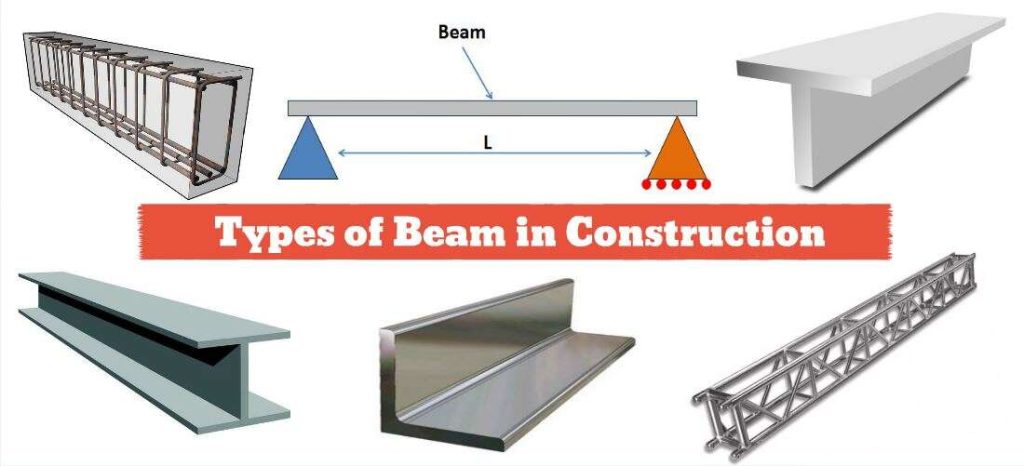
Types of Steel Beams
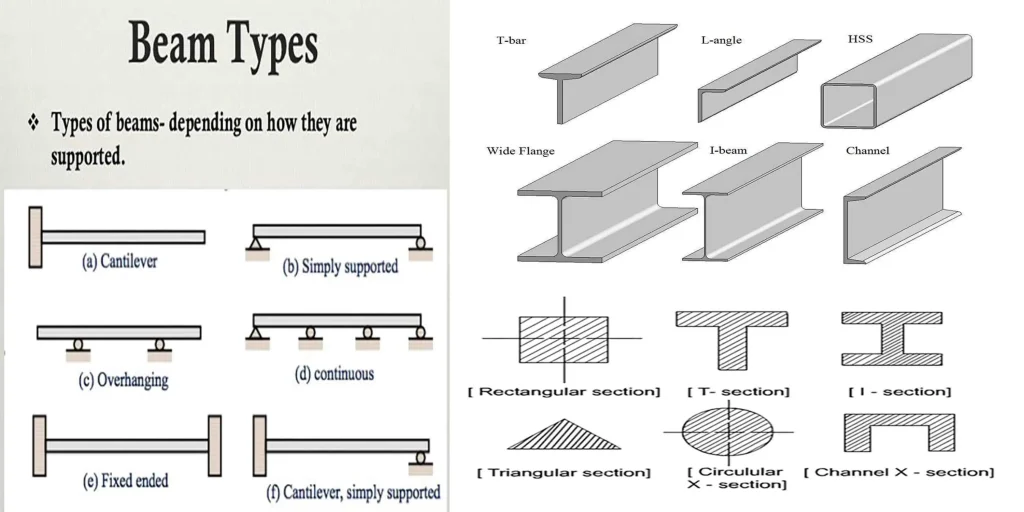
Steel beams come in different shapes and designs depending on their structural purpose. Each type has unique characteristics and applications.
I-Beams (Universal Beams)
I-beams are one of the most commonly used structural steel beams in construction. They have a vertical web and horizontal flanges, forming a strong “I” shape that efficiently carries loads. They are used in floor systems, bridges, and building frames at a large scale. Their design offers high strength and stability and requires less material making them cost effective and efficient for structural applications.

H-Beams (Wide Flange Beams)
H-beams are similar to I-beams but the flanges are wider. This means they can carry more load and are stronger. They are used extensively in high-rise buildings, heavy industrial buildings and infrastructure projects. Due to their solid construction they can take large structural loads. H-beams are chosen for heavy-duty applications due to their superior stability and durability.

S-Beams (Standard Beams)
S-beams have a slightly sloped flange and are commonly used in standard structural applications. They are suitable for light to medium construction, residential framing, and support structures. Their design provides reliable strength for everyday building needs. S-beams are often used where moderate load-bearing capacity and cost efficiency are required.

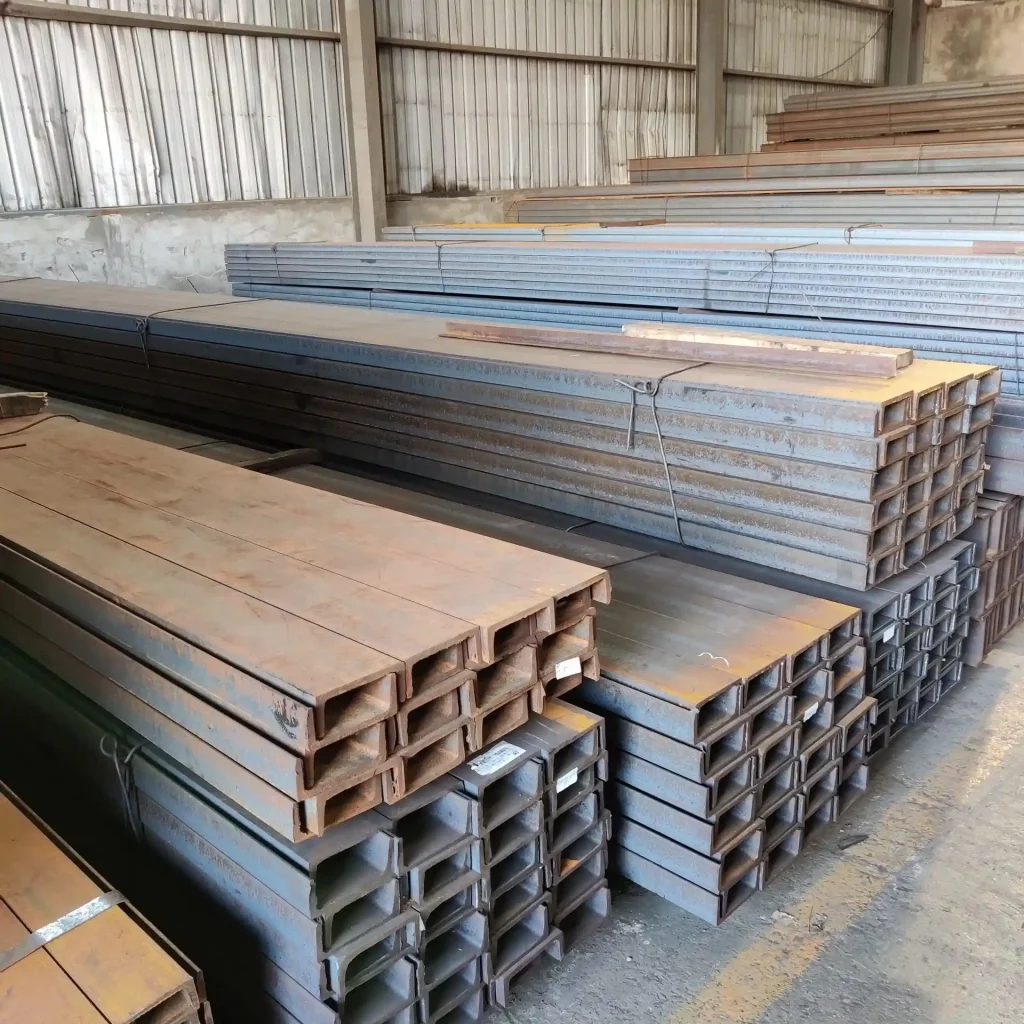
Channel Beams
Channel beams have a C-shaped cross-section and are commonly used for secondary structural support in construction. They are widely applied in bracing systems, edge supports, and structural reinforcement work. These beams also play an important role in floor framing systems and secondary load distribution elements. Their shape provides good stability while efficiently supporting additional structural components. This makes them a practical choice for support and reinforcement applications.
T-Beams
T-beams have a T-shaped cross-section and are commonly used in flooring systems and bridge construction. They provide strong support while efficiently distributing loads across large surface areas. This makes them ideal for structures that require stability, strength, and effective load transfer.

Standard Sizes of Steel Beams
Standard steel beam sizes ensure consistency, safety, and compatibility in construction. They are based on key dimensions like depth, width, thickness, and length.
Depth and Beam Height
The beam depth is the vertical height of the steel beam, and is an important contributor to the strength of the beam. The deeper the beam, the more bending force it can take, and so they’re used where the loads are heavy. Proper depth selection ensures better structural performance. It also helps reduce deflection and improves overall stability.
Flange Width and Stability
Flange width is the horizontal width of the top and bottom sections of the beam. Wider flanges improve stability and help distribute loads more evenly. This reduces the risk of lateral movement in structural systems. It also enhances the beam’s resistance to bending and twisting under load.
Thickness and Load Capacity
The thickness of the web and flanges affects the beam’s load-carrying capacity. Thicker sections provide greater strength and durability under heavy loads. This ensures safe and reliable performance in construction. It also improves resistance to wear and long-term structural stress.
Length and Application Requirements
Steel beams are manufactured in various lengths depending on project needs. The required length is determined by span and structural design. Proper length selection ensures efficient installation and optimal load distribution. It also helps minimize material waste and improves overall construction efficiency.
Applications of Steel Beams in Construction
Steel beams are used in a wide range of construction projects due to their strength and versatility.
Residential Construction
Steel beams are commonly used in residential construction for floor support systems, roof framing and load bearing walls. They give great structural support and flexible designing options in modern homes. Steel beams also allow for open layouts with fewer internal walls. This means better use of space, more design freedom and higher overall structural efficiency.
Commercial Buildings
Commercial buildings such as office buildings, shopping malls and hotels are built with steel beams. They are great structural support for areas of large open spaces and high traffic areas. They have a load-bearing capacity that ensures safety and stability in busy environments. These make them perfect for modern commercial architecture that requires flexibility and durability.
Industrial Structures
Industrial buildings such as factories, warehouses and power plants are often constructed using steel beams. They are designed to cope with big machinery and huge equipment loads with excellent efficiency. They are designed to operate safely and stably in difficult conditions due to their high load-bearing capability. These are necessary for current industrial construction projects.
Infrastructure Projects
Steel beams are commonly used in infrastructure projects such as bridges, airports, and railways. They provide exceptional strength and stability for long-span and heavy-load structures. Their high load-bearing capacity ensures safety and durability under demanding conditions. This makes them a reliable choice for large-scale infrastructure development.
How to Choose the Right Beam for Your Project
Choosing the right beam for your project depends on load requirements, span length, and building type. Proper selection ensures safety, stability, and efficient structural performance.
Load Requirements
The first step in selecting a steel beam is understanding the load it needs to carry. This includes dead loads, live loads, and any additional structural forces. Proper load assessment ensures safety and prevents structural failure. It also helps engineers determine the correct beam size and type for the structure. Accurate load evaluation improves overall design efficiency and structural reliability.
Span Length
Span length is important in choosing beams because longer spans need stronger and deeper beams. Engineers look at the distance between supports to make sure they have the right strength and stability. This helps in maintaining structural performance without excessive deflection. It also influences the choice of beam type and material required for the project. Proper span analysis ensures safety and long-term structural efficiency.
Building Type and Usage
Beam selection is also influenced by the type of structure, such as commercial, industrial, or residential buildings. Depending on its intended use, every project has unique design and strength requirements. Choosing the right beam ensures suitability for specific construction needs. It also helps optimize material use and construction cost. Proper selection improves overall safety and structural performance.
Environmental and Design Conditions
Environmental factors like wind, moisture, and temperature also influence beam selection. Corrosion risk and exposure conditions must be considered during design. This ensures long-term durability and reliable structural performance.
How Steel Beam Sizes Affect Performance
Beam size directly influences structural performance and safety. Larger beams can handle higher loads, while smaller beams are used for lighter applications.
Beam Depth and Bending Strength
The bending strength of a steel beam is mostly dependent on beam depth. A deeper beam can resist higher bending forces more effectively. This helps improve overall structural performance under heavy loads. It also enhances the beam’s ability to maintain stability over longer spans.
Flange Width and Stability
By dispersing loads more equally, flange width increases the stability of steel beams. Wider flanges improve structural balance and lower the possibility of lateral movement. This ensures better support in construction applications. It also enhances the beam’s resistance to twisting under load conditions.
Material Thickness and Structural Stability
Steel beams’ longevity and load-bearing capacity are directly increased by material thickness. Appropriate thickness minimizes deflection under pressure and guarantees safe load distribution. It also contributes to long-term structural stability and safety. It further improves resistance against wear and heavy structural stress over time.
Advantages of Using Steel Beams
Steel beams are preferred in modern construction due to their numerous benefits.
High Strength-to-Weight Ratio
Steel beams are comparatively lightweight and have great strength. This makes building more effective and robust by enabling them to support large loads without adding undue structural weight. It also helps improve overall structural performance and reduces foundation load requirements.
Faster Installation and Construction
Steel beams are prefabricated. Their on-site assembling is easy. This cuts construction time, labor requirements, and overall project delays. It improves on-site coordination and helps in completing projects faster. As a result, overall project efficiency is significantly increased.
Long-Lasting Durability
When properly covered, steel beams have a high degree of endurance and can endure adverse climatic conditions. This guarantees a long service life with little maintenance. It increases overall structural reliability and lowers long-term repair costs. Over time, it improves the performance and safety of structures even more.
Resistance to Bending and Deformation
Steel beams are resistant to bending or deformation and retain their shape under high loads. In tough situations, this enhances structural performance and safety. It guarantees long-term structural stability and uniform load distribution. In both static and dynamic loading scenarios, it further improves reliability.
Flexibility in Architectural Design
Steel beams support modern and complex architectural designs with ease. They allow for open spaces, long spans, and innovative building layouts. This enhances design flexibility and improves overall construction efficiency.
Steel Beams in Modern BIM and Construction Technology
Modern construction increasingly uses digital tools like BIM (Building Information Modeling) to design and manage steel structures more efficiently.
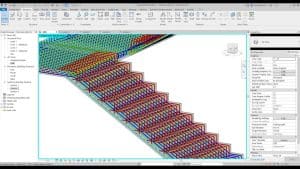
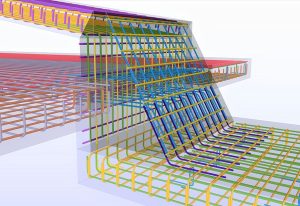
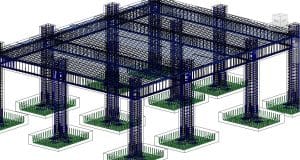
3D Modeling of Steel Beam Structures
BIM enables engineers to create accurate 3D models of steel beam systems. These models help visualize the entire structure before construction begins. It improves design understanding and planning efficiency. This reduces uncertainty during execution. It also supports better coordination between project teams for improved accuracy.

Clash Detection in Design
Prior to construction, BIM finds clashes between steel beams and other building systems. This lessens the chances of design differences and on-site problems. Costly rework and delays are decreased by early discovery. It guarantees more efficient project management. Additionally, it increases cooperation and overall project efficiency.
Coordination Between Project Teams
Architects, engineers, and contractors may better coordinate on a single platform because of BIM. It guarantees that all teams operate with accurate and precise data. Design flaws and communication gaps are decreased as a result. The overall efficiency of the project is improved. Additionally, it makes decision-making easier during the course of a project.
Material Optimization and Digital Integration
BIM helps optimize material usage by providing precise quantity and design data. It reduces waste and improves cost efficiency in projects. Advanced workflows, similar to Strand Consulting cooperation, integrate steel beam modeling into digital systems. This ensures higher accuracy and better project outcomes.
Challenges in Steel Beam Construction
While steel beams are highly effective, there are some challenges:
- High initial material cost:
Steel beams can have a higher upfront cost compared to some traditional materials, increasing initial project investment.
- Need for precise fabrication:
Accurate manufacturing and installation are required to ensure safety, alignment, and structural performance.
- Corrosion risk without proper protection:
Steel may corrode when exposed to moisture if protective coatings or treatments are not applied.
- Transportation and handling requirements:
Due to their weight and size, steel beams require careful transport and handling to avoid damage and ensure safety.
Sustainability of Steel Beams
Steel beams are highly sustainable because they are fully recyclable and can be reused multiple times without losing strength or quality. This makes them an eco-friendly choice for modern construction projects. Their use helps reduce construction waste, lower environmental impact, and improve resource efficiency. In addition, steel beams offer a long service life, making them a reliable solution for both small and large-scale structures.
Conclusion
Steel beams are a fundamental part of modern construction, providing strength, stability, and flexibility across a wide range of structures. From residential buildings to large commercial projects and infrastructure developments, they ensure safe and efficient load distribution. Their ability to carry heavy loads while supporting flexible designs makes them a key choice in modern engineering. Understanding the different types, sizes, and applications of steel beams is important for making the right structural decisions.
As construction technology continues to evolve, steel beams will remain a key element in building stronger, safer, and more advanced structures, especially when combined with modern tools like BIM and digital modeling for improved accuracy and efficiency.
FAQs
1. What are steel beams used for?
Steel beams are used to support loads in buildings and structures. They transfer weight from floors and roofs to columns and foundations. This helps maintain overall structural stability.
2. What are the main types of steel beams?
The main types include I-beams, H-beams, S-beams, channel beams, and T-beams. Each type is designed for different load and construction needs. They are selected based on strength and application requirements.
3. Why are steel beams important in construction?
Steel beams provide strength, stability, and flexibility in modern structures. They allow safe load distribution and support large spans without extra columns. This makes buildings safer and more efficient.
4. How are steel beam sizes determined?
Steel beam sizes are based on load, span length, and structural design. Engineers select dimensions to ensure safety and performance. Proper sizing prevents bending, deflection, and structural failure.
5. Are steel beams better than concrete beams?
Steel beams are stronger in tension and allow faster construction compared to concrete. Concrete is better in compression but takes longer to build. The choice depends on project requirements.
6. Can steel beams be used in residential buildings?
Yes, steel beams are commonly used in residential construction. They support floors, roofs, and open layouts with fewer walls. This allows modern and flexible home designs.