Summary: Rebar wastage is one of the most overlooked cost drivers in construction. This article explores how engineers and contractors can apply lean detailing strategies to cut material waste, reduce project costs, and improve overall construction efficiency without compromising structural integrity.
Key Takeaways
- Rebar wastage on construction sites typically ranges from 5% to 15% of total material ordered
- Lean detailing starts at the drawing stage; accurate shop drawings prevent over-ordering and field cutting errors
- Optimized bar scheduling and BIM-based coordination are among the most effective tools for reducing waste
- Strong collaboration between detailers, fabricators, and site teams is essential for lean outcomes
- Waste reduction goes beyond saving money; it also lowers the project’s carbon footprint
Introduction: The Hidden Cost of Rebar Waste
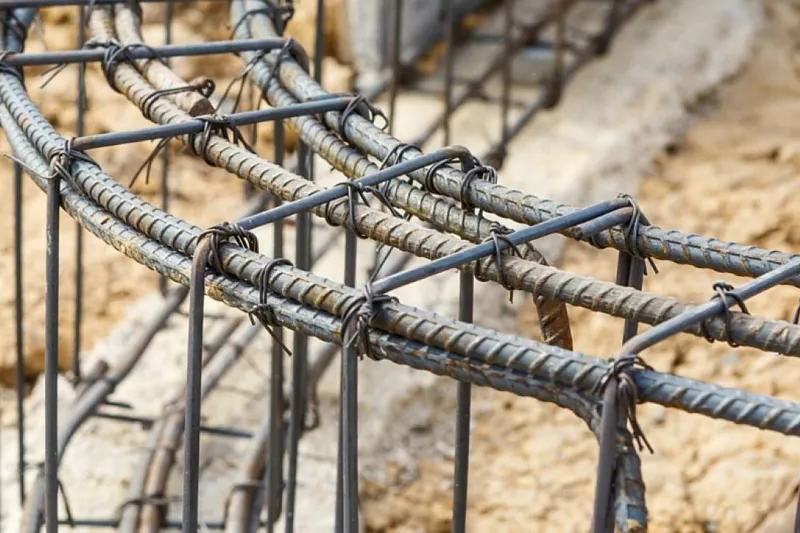
Walk onto almost any construction site, and you will find it. Piles of cut rebar ends, offcuts scattered near formwork, and bins full of steel that never made it into the structure. Rebar wastage is so common that many teams simply accept it as part of the job.
The numbers tell a different story, though. Steel reinforcement is one of the most expensive line items in structural construction. When 10% of your rebar order ends up as scrap, that is a material loss, wasted fabrication labor, wasted delivery weight, and wasted money that could have been reinvested in the project.
For engineers and contractors serious about project performance, rebar wastage reduction and lean detailing are no longer optional strategies. They are markers of a well-run operation.
What Is Rebar Wastage and Why Does It Happen?
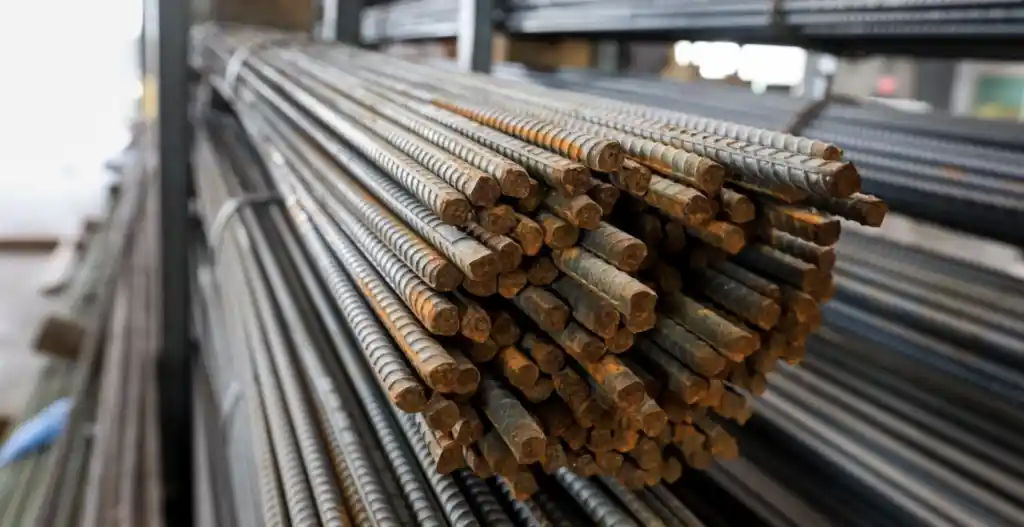
Rebar wastage refers to any reinforcing steel that is ordered, cut, or placed but does not contribute to the final structural output. It includes offcuts from bar cutting, over-ordering due to imprecise takeoffs, errors from poorly coordinated drawings, and field modifications made to compensate for design clashes.
Common Causes of Excessive Rebar Waste
Inaccurate Bar Schedules: When bar bending schedules are prepared manually or without proper coordination with structural drawings, bar lengths are often overestimated. Excess cuts and leftover material are the direct result.
Poor Drawing Coordination: Clashes between structural, architectural, and MEP drawings frequently cause field changes. These last-minute adjustments require re-cutting or re-bending bars that were already fabricated, generating avoidable waste at every turn.
Lack of Standardization: When multiple bar sizes and shapes are used without a rationalization strategy, offcuts from one batch cannot be reused for other elements. Net waste climbs as a result.
Late Design Changes: Changes issued after fabrication has begun are among the costliest sources of rebar waste. Pre-fabricated cages or cut bars must be discarded or reworked, adding both cost and delay.
Over-Ordering as a Buffer: Contractors sometimes order excess rebar to protect against supply delays. While understandable, this practice inflates waste considerably when the surplus is never used.
Lean Detailing: What It Means in Practice
Lean construction borrows principles from manufacturing by eliminating activities that consume resources without adding value. Applied to rebar detailing, lean thinking focuses on doing more with less: fewer bar sizes, fewer cuts, fewer errors, and fewer surprises on site.
Lean detailing is not about reducing the quality or safety of reinforcement design. It is about making every bar count, from the drawing board to the concrete pour.
Principle 1: Rationalize Bar Sizes and Lengths
One of the simplest lean strategies is limiting the number of bar diameters used in a single structure or element. Every additional bar size adds complexity to scheduling, procurement, and fabrication. The more variables in play, the more opportunities for waste to creep in.
Where the structural design allows, detailers should aim to consolidate bar sizes. Using fewer, standardized diameters makes offcuts from one element reusable for another, reducing net waste significantly.
Detailing bars to match standard stock lengths, typically 6m or 12m, also reduces cutting loss. When bar lengths are designed with stock lengths in mind, fabricators can cut more bars from a single rod with minimal leftover material.
Principle 2: Produce Accurate, Coordinated Shop Drawings
Accurate shop drawings are the single biggest tool in rebar waste reduction. A well-prepared rebar detailing package includes precise bar bending schedules, clear placement drawings, and accurate lap and splice locations. Each of these elements works together to give fabricators exactly what they need.
When detailing is done with care and coordination, fabricators cut what is needed and nothing more. This requires detailers to work from the latest structural and architectural drawings and to resolve clashes before fabrication begins.
Errors in shop drawings are not just a detailing problem. They cascade from fabrication to delivery to site, creating a chain of rework that multiplies waste at every step along the way.
Principle 3: Use BIM for Clash Detection and Coordination
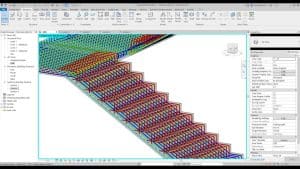
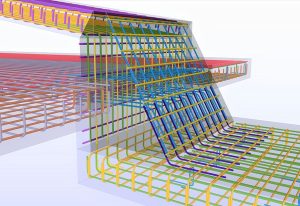
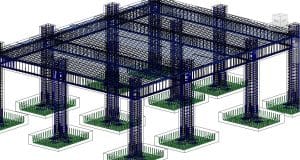
Building Information Modeling has reshaped the way rebar is detailed and coordinated. Tools like Tekla Structures allow detailers to build full 3D rebar models where every bar is placed, bent, and scheduled within a virtual replica of the structure.
The advantage is clear. Clashes between rebar, formwork, embed plates, ducts, and other elements are detected and resolved in the model rather than on site. This eliminates the field changes that are responsible for a large proportion of rebar waste.
BIM-based detailing also produces material reports and bar schedules directly from the model, reducing the risk of manual errors in takeoffs. What is shown in the model is what gets fabricated, creating a reliable link between design and execution.
Principle 4: Optimize Bar Cutting Through Nesting Software
Nesting software is a powerful yet underutilized tool for reducing rebar waste at the fabrication stage. It works by analyzing all the bar cuts required for a project and finding the most efficient way to cut them from available stock lengths.
Rather than cutting bars one at a time, nesting algorithms group cuts to minimize leftover ends. On large projects, the savings from optimized nesting can be significant. Cutting waste can sometimes drop from 8 to 10% down to 3 to 4% with this approach alone.
Some rebar fabricators offer nesting as part of their service. Engineers and contractors who recognize the value of this tool can actively request optimized cut lists as part of their procurement process. It is a small ask that delivers measurable results.
Principle 5: Standardize Lap and Splice Locations
Lap splices are necessary in structural reinforcement, but poorly coordinated splice locations are a common source of both material waste and structural risk. When splices are placed without consideration of bar lengths, they force cuts in positions that generate short offcuts with no reuse value.
Lean detailing requires splice locations to be deliberately chosen to align with efficient cutting patterns. This is especially important in repetitive structures like columns, shear walls, and slabs, where the same splice detail appears dozens or hundreds of times across a project.
Standardizing splice details across a project also reduces the chance of field errors. Workers placing the same detail repeatedly make fewer mistakes than those interpreting different instructions at every location.
Practical Comparison: Traditional vs. Lean Detailing
| Factor | Traditional Approach | Lean Detailing Approach |
| Bar Schedule Preparation | Manual, prone to errors | BIM-generated, model-accurate |
| Number of Bar Diameters | Often 6 to 8 per structure | Rationalized to 3 to 5 where possible |
| Clash Detection | Resolved on site | Resolved in BIM model pre-fabrication |
| Cutting Optimization | Ad hoc at fabrication | Nesting software applied |
| Design Change Management | Reactive | Coordinated before fabrication |
| Typical Waste Rate | 8 to 15% | 3 to 6% |
On-Site Practices That Support Waste Reduction
Lean detailing sets the foundation, but site practices ultimately determine how much waste reduction is actually achieved. Even the best shop drawings can result in high waste if site management is poor.

Organized Bar Storage: Rebar delivered to site should be stored and labeled by element, size, and mark. Disorganized storage leads to bars being cut again when they cannot be located, or placed in the wrong element entirely.
Using Offcuts Strategically: Short offcuts should not go straight to the scrap bin. A site supervisor who knows where 600mm or 800mm bars are needed, such as in footings, edge beams, or starter bars, can put offcuts to productive use rather than discarding them.
Early Involvement of Fabricators: Bringing the rebar fabricator into the coordination process early allows them to flag potential issues with bar lengths, splice locations, and delivery sequences before fabrication begins. Their practical knowledge often identifies waste risks that detailers and engineers miss entirely.
Regular Waste Monitoring: Tracking scrap tonnage against total steel ordered gives teams a real-time picture of waste performance. Without measurement, waste reduction remains an intention rather than a result.
The Environmental Case for Lean Rebar Detailing
Beyond cost, rebar wastage carries a real environmental burden. Steel production is one of the most carbon-intensive manufacturing processes in the world. Every tonne of rebar that ends up as scrap represents the energy and emissions of producing steel that delivered no structural value whatsoever.
For construction firms working toward sustainability targets, lean rebar detailing is a direct lever on embodied carbon. Reducing material waste reduces the carbon footprint of the structure, a benefit that is increasingly valued by clients, regulators, and the public.
As embodied carbon reporting becomes standard practice on many projects, the ability to demonstrate low steel wastage will become a genuine competitive advantage for contractors and engineering firms alike.
How Detailing Firms Add Value to Waste Reduction Efforts
A skilled rebar detailing partner brings far more than a drawing service to the table. When a detailing firm like Strand Consulting Corporation prepares your rebar package, the goal is not just to produce drawings. It is to produce drawings that work efficiently from fabrication all the way through to placement.
That means coordinating with your structural engineer, resolving clashes before they reach the site, scheduling bars to minimize cutting waste, and delivering a package that fabricators can execute cleanly. The investment in quality detailing pays back in lower material costs, fewer field problems, and a smoother construction process overall.
Conclusion
Rebar wastage is a problem that the construction industry has lived with for too long. It is not inevitable, though. When engineers and contractors commit to lean detailing strategies, including accurate shop drawings, BIM coordination, nesting optimization, standardized bar sizes, and thoughtful splice planning, the results are measurable and meaningful.
Waste rates that once sat at 10% or higher can be brought down to 3 to 5% with disciplined detailing and site management. On a large structural project, that difference represents tens of thousands of dollars in saved material, fewer delays, and a lower environmental impact.
The tools and methods are available. The question is whether your project is making full use of them.