Summary
Shop drawings are detailed construction drawings that show how specific parts of a building will be made, assembled, and installed. They help contractors, fabricators, engineers, and site teams understand the work before fabrication or installation starts.
In modern construction, shop drawings help reduce mistakes, avoid rework, improve coordination, support approvals, and keep projects moving with fewer delays.
5 Key Takeaways
- Shop drawings turn design plans into clear working details.
- They are usually prepared by contractors, suppliers, or fabricators, not the architect.
- They help reduce site errors, rework, delays, and material waste.
- They support better fabrication, installation, and project approval.
- They do not replace or override the main contract documents.
Introduction
Construction work needs clear details. Every beam, pipe, duct, cabinet, door, window, and panel must fit in the right place. If one part is wrong, it can affect many other parts of the project.
Design drawings show the main design of a building. But they do not always show every small detail needed to make and install each part. This can lead to confusion, wrong orders, site clashes, delays, and extra costs.
Shop drawings help solve this problem.
They show how a specific part of the project will be made, joined, fixed, and installed. They bridge the gap between design intent and real construction work.
For contractors, engineers, architects, fabricators, and project owners, shop drawings are a practical way to reduce risk and improve project quality.
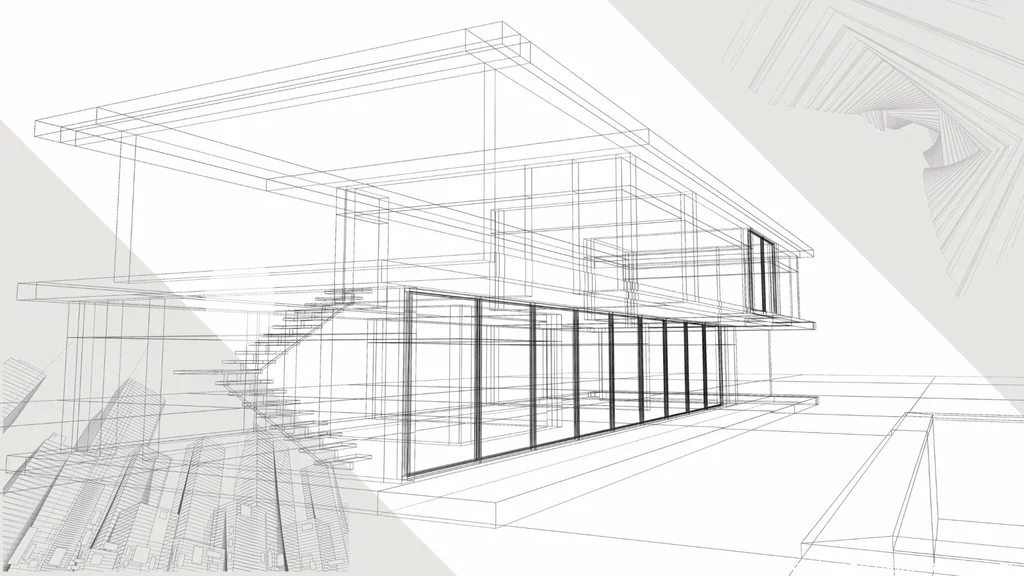
What Are Shop Drawings?
Shop drawings are technical drawings used in construction. They show the exact details of a building part, product, or system.
They are usually prepared by contractors, subcontractors, suppliers, manufacturers, fabricators, or drafting teams. In most cases, they are not prepared by the architect. The architect or engineer usually reviews them to check if they follow the design intent and project requirements.
Shop drawings may include dimensions, materials, fixing details, connection points, finishes, product data, fabrication details, and installation notes.
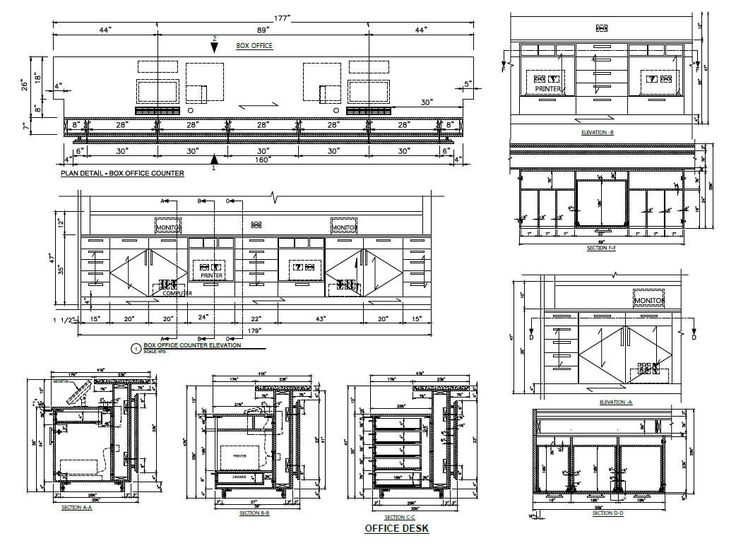
For example, a steel shop drawing may show bolt holes, welds, plates, and connection points. A millwork shop drawing may show cabinet sizes, finishes, hardware, and fitting details. An HVAC shop drawing may show duct routes, equipment locations, and ceiling coordination.
In simple words, construction drawings show what needs to be built. Shop drawings show how specific parts will be built and installed.
Why Shop Drawings Matter in Modern Construction
Modern buildings have many systems working together. A single project may include steel, concrete, HVAC, plumbing, electrical systems, fire protection, glass, doors, windows, elevators, and custom finishes.
All these parts need space. They also need to connect correctly.
If teams do not check these details early, problems can happen on-site. A duct may clash with a beam. A pipe may block a cable tray. A window frame may not match the wall opening. An elevator detail may not match the shaft or opening needs.
Shop drawings help teams find and fix these problems before work starts. This saves time, reduces stress, and helps the project move forward with fewer surprises.
Main Benefits of Shop Drawings
1. Better Accuracy
Accuracy is one of the biggest benefits of shop drawings.
On a construction site, even a small wrong size can cause a big problem. If a part is made too long, too short, or with holes in the wrong place, it may not fit.
Shop drawings show clear dimensions, levels, materials, fixing points, and connection details. This helps the workshop make the right parts and helps the site team install them correctly.
For example, if a steel beam needs bolt holes, the drawing shows where those holes should be. If a door frame needs to fit a wall opening, the drawing shows the exact size and fixing method.
2. Better Team Coordination
Construction is a team effort. Architects, engineers, contractors, suppliers, fabricators, and site workers all need to work from the same information.
Shop drawings improve this coordination. They help each team see how its work connects with the rest of the building.
This is very useful for MEP coordination, steel work, facade systems, plumbing, electrical work, fire protection, elevators, and custom millwork.
For example, an HVAC duct may need to pass through a ceiling space that also has pipes, cable trays, and sprinkler lines. Shop drawings help the team see these details early and avoid clashes later.
3. Fewer Site Mistakes
Mistakes on-site can cost a lot of time and money. A wrong cut, missing fixing point, wrong material, or poor layout can lead to rework.
Rework means the team must remove, repair, or rebuild something. This can delay other trades and increase labor costs.
Shop drawings reduce this risk because they can be checked before fabrication or installation starts. If there is a problem, it can be corrected in the drawing first.
Fixing a drawing is much easier than fixing finished work on-site.
4. Faster Project Work
Time is very important in construction. If one task is delayed, other tasks may also be delayed.
Shop drawings help save time by giving clear instructions before work begins. Site teams can see where the part goes, what size it should be, what material is needed, and how it should be fixed.
Clear drawings also support the approval process. When drawings are easy to read, architects, engineers, and consultants can review them faster.
This helps reduce delays in fabrication, delivery, and installation.
5. Better Cost Control
Construction errors are expensive. Wrong materials, wasted labor, rework, and late deliveries can increase the project cost.
Shop drawings help control costs by finding problems early.
For example, if a pipe route does not fit above the ceiling, the issue can be found during drawing review. The route can then be changed before the pipe is made or installed.
Good shop drawings also help teams order the right materials in the right sizes and quantities. This reduces waste and helps protect the project budget.
6. Easier Fabrication
Many building parts are made away from the job site. These may include steel parts, ductwork, pipe spools, cabinets, glass panels, doors, windows, elevators, and precast concrete.
Fabricators need clear fabrication drawings to make these parts correctly.
Shop drawings give them the details they need, such as cutting sizes, hole locations, welding details, joint details, labels, material types, and finish notes.
When fabricators have clear drawings, they can work with fewer errors. The finished parts are also more likely to fit when they arrive on-site.
7. Smoother Site Installation
Approved shop drawings are useful for workers on-site.
Installers use them to check the correct location, level, spacing, fixing method, and connection details. This helps them install parts correctly the first time.
For example, a plumbing shop drawing can show pipe routes, valve locations, and equipment connections. An electrical shop drawing can show cable trays, panels, and conduit routes.
When site workers have clear drawings, they spend less time asking questions and more time doing the work.
8. Better Quality Control
Shop drawings give site supervisors, engineers, and quality control teams a clear reference.
They can compare the installed work with the approved drawing. They can check size, material, location, finish, spacing, fixing method, and connection details.
This helps make sure the final work matches the approved plan.
It also helps reduce disputes. If a question comes up later, the approved shop drawing can show what was reviewed and accepted.
Shop Drawings vs. Design Drawings vs. As-Built Drawings
Shop drawings are often confused with design drawings and as-built drawings. They are related, but they are not the same.
| Drawing Type | When It Is Used | Main Purpose |
| Design / IFC Drawings | Before and during construction | Show the main design, layout, scope, and project requirements |
| Shop Drawings | Before fabrication and installation | Show how specific parts will be made, assembled, and installed |
| As-Built Drawings | After construction | Show the final built condition, including changes made during construction |
IFC means “Issued for Construction.” These are the main drawings used by the construction team to build the project.
Shop drawings take the design or IFC drawings and add more specific details for fabrication and installation. As-built drawings are created near the end of the project. They show what was actually built, including changes made during the work.
Important Note About Contract Documents
Shop drawings are important, but they do not replace the main contract documents. They should follow the approved construction drawings, project specifications, and contract requirements. They help explain how a part will be made or installed, but they should not override the project design or specifications.
This is why review is important. Architects, engineers, and consultants check shop drawings to see if they match the design intent and project requirements.
How the Shop Drawing Approval Process Works
The shop drawing approval process helps make sure the proposed work is correct before fabrication or installation begins.
First, the contractor, supplier, or fabricator prepares the shop drawing. Then the contractor usually checks it before sending it forward.
After that, the drawing is submitted to the architect, engineer, or consultant for review. The reviewer checks the drawing against the design drawings, specifications, and project needs.
The drawing may be approved, approved with comments, returned for revision, or rejected. If changes are needed, the drawing is revised and submitted again.
Fabrication or installation should start only after the correct approval is received. This helps reduce mistakes and keeps the project better controlled.
Common Types of Shop Drawings
Shop drawings are used for many parts of a building. The type depends on the project and the trade involved.
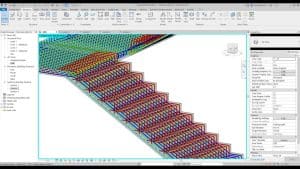
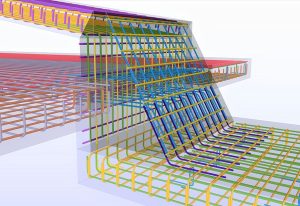
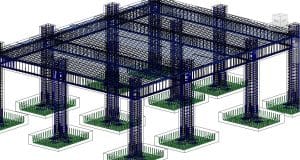
Common examples include structural steel shop drawings, rebar shop drawings, precast concrete shop drawings, elevator shop drawings, HVAC shop drawings, plumbing shop drawings, electrical shop drawings, fire protection shop drawings, millwork shop drawings, cabinet shop drawings, door and window shop drawings, facade shop drawings, curtain wall shop drawings, and MEP shop drawings.
Each type has a different job, but the goal is the same. Shop drawings make construction clearer, more accurate, and easier to manage.
What Should a Good Shop Drawing Include?
A good shop drawing should be clear, accurate, and easy to read. It should give the reviewer, fabricator, and installer the information they need without confusion.
A strong shop drawing usually includes the project name, drawing title, drawing number, date, revision number, scale, dimensions, material details, installation notes, connection details, labels, and special instructions.
It should also be based on the latest project documents. Using old drawings can create serious problems. A small design change can affect sizes, routes, openings, and fixing details.
This is why revision control is very important in construction documentation.
Practical Tips for Better Shop Drawings
Use the Latest Project Information
Always prepare shop drawings from the latest construction drawings and specifications. Old information can lead to wrong sizes, wrong layouts, and costly rework. Before starting, check that the drawing set, revision number, and project notes are current.
Check Dimensions Before Submission
Do not guess dimensions. Check sizes, levels, openings, clearances, and connection points carefully.
If site measurements are needed, take them before finalizing the drawing. This is especially important for custom millwork, doors, windows, glass, and renovation projects.
Coordinate With Other Trades
Shop drawings should not be prepared in isolation. Many problems happen because one trade does not check another trade’s work.
Mechanical, electrical, plumbing, and fire protection systems often share the same ceiling space. Early coordination helps avoid clashes and changes later.
Review Contract Requirements
Before submitting shop drawings, check the project specifications and contract documents. Make sure materials, finishes, sizes, and installation methods match the project requirements. This helps reduce review comments and avoids costly changes later.
Submit Drawings Early
Late shop drawings can delay approvals, material orders, fabrication, and installation. Submit drawings early enough so the review team has time to check them. This helps keep the project schedule under control.
Keep Revisions Clear
Every change should be easy to track. Use clear revision numbers, dates, and notes. This helps the team know which drawing is current. It also reduces the risk of someone using an old version on-site.
Share Approved Drawings With the Right People
Approved drawings are only useful if the right people can access them. Make sure site supervisors, installers, fabricators, and quality control teams use the latest approved version. This simple step can prevent many mistakes.
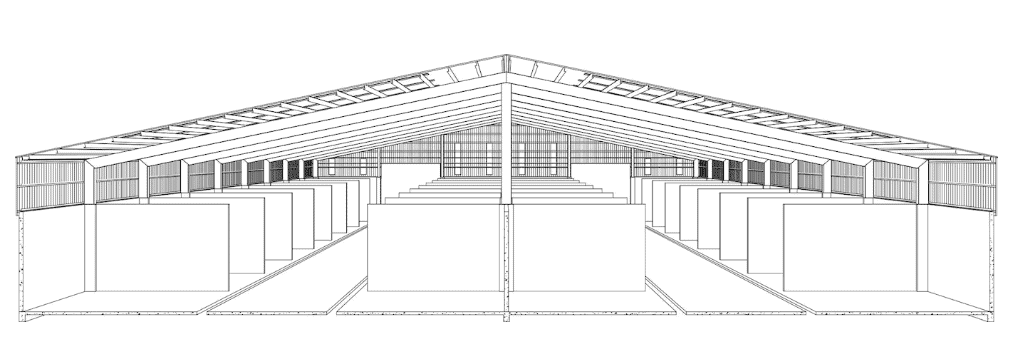
If You Are Creating or Reviewing Shop Drawings
If you are creating shop drawings, your goal is to make them clear, accurate, and easy to review. Use the latest project documents, check dimensions, and show all important fabrication and installation details.
If you are reviewing shop drawings, your goal is to check that they match the design intent, specifications, materials, and site needs. Look for missing details, unclear notes, wrong dimensions, and possible clashes with other trades.
Both roles are important. A good shop drawing process depends on clear preparation and careful review.
When Should You Use Shop Drawing Services?
Shop drawing services can help when a project has custom parts, many trades, or tight deadlines. They are useful for contractors, builders, fabricators, and suppliers who need accurate drawings for approval, fabrication, or site installation.
A skilled drafting team can help prepare clean shop drawings, reduce review comments, and support better coordination. This can save time and reduce stress during the project.
You may need shop drawing services if your team is too busy, the project has complex details, or you need clear drawings for fabrication and approval.
Common Questions About Shop Drawings
Are shop drawings required for every project?
Not every small project needs many shop drawings. Larger or more complex projects often need them for steel, MEP systems, millwork, doors, windows, elevators, facades, and custom parts.
Who prepares shop drawings?
Shop drawings are usually prepared by contractors, subcontractors, suppliers, fabricators, manufacturers, or drafting teams. They are usually not prepared by the architect.
Who reviews shop drawings?
Shop drawings are often reviewed by architects, engineers, consultants, contractors, or project managers. The reviewer depends on the type of work and the project requirements.
Can shop drawings reduce construction delays?
Yes. Clear shop drawings can reduce delays by helping teams find problems early, order the right materials, and install parts correctly.
What happens if shop drawings are not accurate?
Inaccurate shop drawings can lead to wrong fabrication, site clashes, failed installation, wasted materials, and rework. This can increase both cost and project time.
Are shop drawings the same as as-built drawings?
No. Shop drawings are used before fabrication and installation. As-built drawings are made after construction to show the final built condition.
Conclusion
Shop drawings play an important role in modern construction. They turn design plans into clear working details that contractors, fabricators, engineers, and site teams can use.
They improve accuracy, reduce mistakes, save time, support approvals, control costs, and help teams work together.
Good shop drawings also make fabrication and installation smoother. They help project teams find problems early instead of fixing them later on-site.
Shop drawings should always follow the main design drawings, specifications, and contract documents. They do not replace those documents, but they help make the work clearer and easier to build.
For contractors, architects, engineers, fabricators, and building owners, shop drawings are a practical way to improve project quality and reduce risk.
When shop drawings are clear, checked, approved, and shared with the right people, construction work becomes smoother, safer, and more reliable.